8 Common Mistakes to Avoid When Painting Your Home
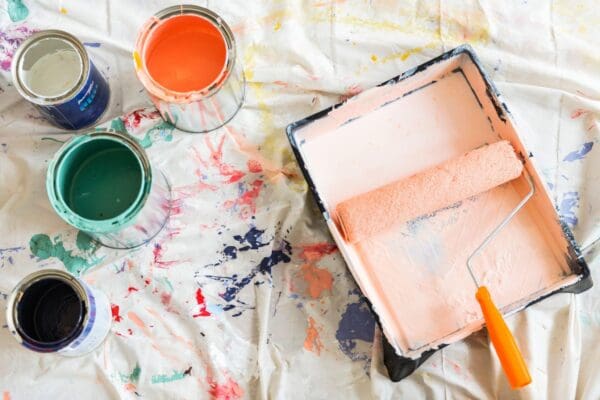
Painting your home can transform its appearance, but common mistakes can affect the final result. Avoid skipping surface preparation, choosing the wrong paint type, ignoring weather conditions, applying uneven coats, and rushing drying times. Careful planning and quality materials help achieve a smooth, durable, and professional-looking finish that lasts.
A fresh coat of paint is one of the fastest ways to transform a home, inside or out. It’s also one of the easiest projects to get wrong. A rushed prep job, the wrong product, or poor timing can turn what should be a weekend refresh into a peeling, patchy mess that needs redoing within a year or two. Whether you’re tackling an interior feature wall or repainting the whole exterior, avoiding these common mistakes will save you time, money, and frustration.
1. Skipping Proper Surface Preparation
The single biggest mistake homeowners make is underestimating how much prep work paint actually needs. Paint is only as good as the surface underneath it. If you skip cleaning, sanding, filling cracks, and removing loose or flaking paint, your new coat will fail prematurely no matter how expensive it was.
Before any brush touches the wall, surfaces should be washed down to remove dust, grease, and mildew. Sanding creates a slightly rough surface that helps paint adhere properly, while filling holes and cracks with the right filler ensures a smooth, even finish. Skipping these steps might save an afternoon, but it often costs far more in the long run when the paint bubbles, cracks, or peels within months.
2. Ignoring the Weather and Humidity
Paint doesn’t dry the same way in every condition. Painting exterior surfaces during high humidity, direct sun, or when rain is forecast within 24 hours is a recipe for disaster. Humidity slows drying and can cause paint to blister, while direct sunlight can dry the surface too quickly, leading to visible brush marks and uneven texture.
Ideally, exterior painting should be done in mild, dry weather with moderate temperatures. If you’re unsure about the best conditions for your climate, a local professional painting service will know exactly how seasonal weather patterns affect the outcome and can time the job accordingly.
3. Choosing the Wrong Type of Paint
Not all paints are created equal, and using the wrong type for the job is a mistake that’s surprisingly common. Interior paint isn’t designed to withstand outdoor elements like UV exposure and rain, while exterior paint used indoors can release stronger fumes than necessary. Similarly, using a flat finish in a high-moisture area like a bathroom, or a high-gloss finish on a large living room wall, can lead to disappointing results.
It’s worth taking the time to match the paint type, finish, and quality to the specific surface and location. Cheaper paints often require more coats and fade faster, so investing in a reputable brand usually pays off in durability and appearance.
4. Applying Paint in the Wrong Order or Technique
Many DIY painters simply start at one corner and work their way across without a plan. This can lead to visible lap marks, uneven coverage, and wasted product. A better approach is to “cut in” around edges, corners, and trim first with a brush, then use a roller to fill in the larger areas while the cut-in paint is still wet. This blends the brush and roller strokes together for a seamless finish.
Rushing between coats is another frequent error. Applying a second coat before the first has fully dried can cause peeling, streaking, or an uneven sheen. Always check the manufacturer’s recommended drying time before recoating.
5. Neglecting the Roof and Gutters
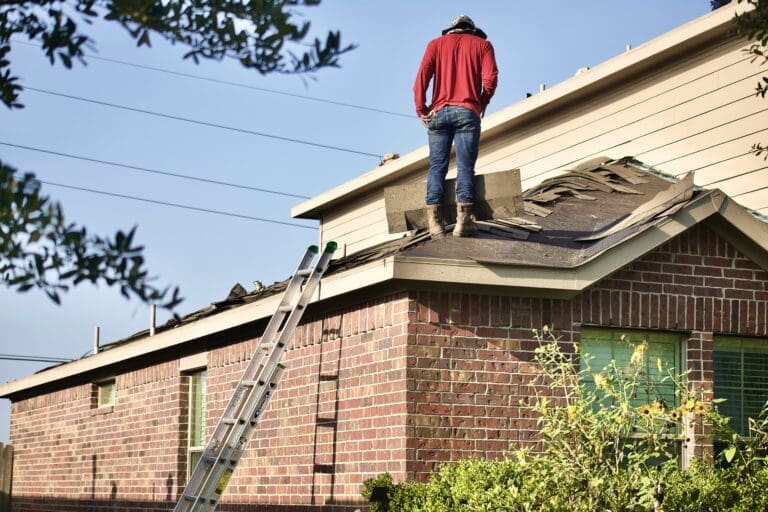
When people think about painting their home, they usually picture walls and fences, but the roof is just as important to overall appearance and protection. A tired, faded, or rusting roof can undo the impact of a beautifully painted exterior. Roofs endure constant exposure to sun, rain, and debris, so they need specialised coatings that can handle those conditions without cracking or fading.
This is where working with a team that understands both surfaces really matters. A company like Brisbane Roof and Paint specializes in coordinating roof restoration and exterior painting together, ensuring the colors, finishes, and protective coatings complement each other rather than being treated as separate, disconnected projects. Getting the roof and walls painted as part of one cohesive plan not only looks better but also protects your home more effectively.
6. Using Cheap Tools and Equipment
It’s tempting to cut costs on brushes, rollers, and tape, but low-quality tools often create more work than they save. Cheap brushes shed bristles into wet paint, inexpensive rollers leave a stippled or uneven texture, and poor-quality masking tape can let paint bleed underneath, ruining crisp edges.
Investing in decent quality tools, along with proper drop sheets and painter’s tape, makes the entire process smoother and the finished result noticeably more professional.
7. Forgetting to Prime New or Repaired Surfaces
Primer isn’t an optional extra, especially on bare wood, metal, or freshly patched drywall. Skipping primer means the paint has to work much harder to adhere and cover evenly, often resulting in patchy colour and reduced durability. A good primer seals the surface, blocks stains, and helps the topcoat go on smoothly with better long-term adhesion.
8. Underestimating the Scope of the Job
Many homeowners significantly underestimate how long a painting project will take, especially for exteriors or multi-store homes. Rushing to finish before dark, or trying to complete too much in a single day, often leads to shortcuts in prep or drying time. Larger jobs, particularly those involving roofs, gutters, or hard-to-reach areas, are safer and more efficient when handled by experienced professionals with the right equipment and safety gear.
Final Thoughts
Painting your home is an investment in both its appearance and its protection against the elements. Avoiding these common mistakes, thorough preparation, the right products, proper technique, and attention to often-overlooked areas like the roof, will help ensure a finish that looks great and lasts for years. If the scope of the job feels overwhelming, partnering with experienced painting professionals who understand both roofing and painting can make all the difference in achieving a durable, cohesive result for your home.