Best Alarm and Monitoring Services to Keep Intruders at Bay

Did you know that properties without a security system are three times more likely to be targeted by burglars? In today’s rapidly changing world, ensuring the safety of our loved ones and valuable assets has become a top priority. Modern alarm and surveillance systems offer more than just a basic alarm; they provide comprehensive protection and unparalleled peace of mind. In fact, research shows that 74% of people feel more secure after installing one.
This extensive guide will walk you through the evolving landscape of home and business security, helping you understand the choices available by June 2026. We will explore the key differences between various system types, from professional monitoring services to flexible DIY setups. We’ll also dive into critical features like AI recognition, advanced video analytics, and seamless smart home integration.
Understanding the complexities of these systems is crucial to selecting the right fit for your specific needs. For those looking to dive deeper into comprehensive solutions, exploring SmartMait security integration can provide valuable insights. Join us as we break down pricing models, contract options, equipment choices, and emergency response capabilities, empowering you to make an informed decision for a safer future.
Evaluating Professional vs. DIY Alarm and Surveillance Systems
The decision between a professionally installed and a do-it-yourself (DIY) alarm and surveillance system is often the first, and most significant, choice homeowners and businesses face. Both approaches offer distinct advantages and cater to different preferences regarding cost, convenience, and control. By June 2026, the market has matured to offer sophisticated options across both spectrums, blurring some of the traditional lines.
Professionally installed systems typically involve expert technicians handling every aspect, from initial consultation and system design to wiring, mounting, and testing. This hands-off approach ensures optimal placement of sensors and cameras, proper system calibration, and seamless integration with existing infrastructure. The peace of mind that comes with knowing your system is expertly configured and maintained can be invaluable. These systems often come with more robust, hardwired components, which can offer enhanced reliability and resistance to tampering. They are particularly well-suited for larger properties, complex layouts, or commercial environments where specialized knowledge and higher levels of security are paramount.
Conversely, DIY systems empower users to take control of their security setup. These systems are designed for straightforward installation, often featuring wireless components that can be mounted with adhesive strips or minimal tools. The primary appeal of DIY options lies in their lower upfront costs, flexibility, and the ability to customize and expand the system at your own pace. They are an excellent choice for renters who need portable solutions, seniors seeking user-friendly interfaces, or owners of vacation homes who require remote management without extensive professional visits. While DIY systems have historically been seen as less robust, advancements in wireless technology and self-monitoring capabilities have made them increasingly reliable and feature-rich.
Setup and Installation Options
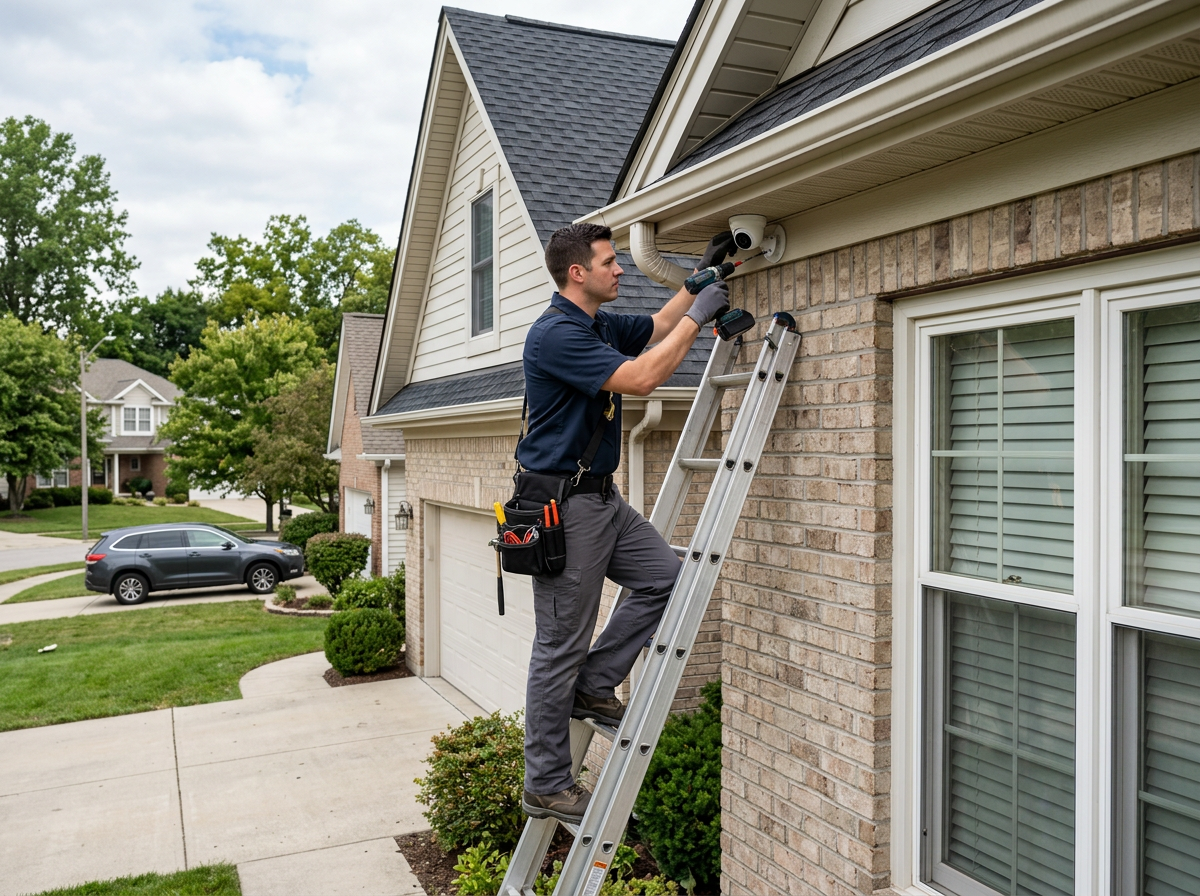
The evolution of alarm and surveillance systems has brought forth a wide array of setup and installation options, catering to varying technical aptitudes and property types. On one end of the spectrum, we have the simplicity of “peel-and-stick” sensors and cameras, which can be affixed to surfaces without drilling or complex wiring. These are ideal for temporary living situations, renters, or those who prefer a non-invasive installation process. Many DIY systems, including popular wireless options, champion this approach, allowing users to get their system up and running in minutes.
For those seeking maximum reliability and a more permanent solution, hardwired systems remain a top choice. These installations involve running wires through walls and ceilings, connecting components directly to a central hub and power source. While more labor-intensive, hardwired systems are less susceptible to signal interference, battery failures, or tampering. They often form the backbone of professionally installed security setups, especially in new constructions or major renovations where pre-wiring is feasible. Professional calibration is a critical aspect of these installations, ensuring that motion detectors are optimally angled, cameras cover blind spots, and all sensors communicate effectively with the monitoring center. This expert touch ensures that the system performs as intended, minimizing false alarms and maximizing detection accuracy.
The middle ground is occupied by hybrid systems, which combine the reliability of a hardwired main panel with the flexibility of wireless sensors and cameras. This allows for a robust core system while offering easy expansion and placement for peripheral devices. Tool-free setup, while often associated with DIY, is also becoming a feature in some professional systems for certain components, streamlining the installation process for technicians and reducing disruption for homeowners. The choice ultimately depends on the desired level of security, budget, and the specific characteristics of the property being protected.
Equipment Customization for Diverse Properties
The effectiveness of any alarm and surveillance system hinges on its ability to be tailored to the unique needs of a property. Generic, one-size-fits-all solutions rarely provide optimal protection. Modern systems offer extensive equipment customization, ensuring comprehensive coverage for everything from a compact apartment to a sprawling commercial complex.
For residential properties, a typical setup might include a combination of entry sensors for doors and windows, motion sensors for interior spaces, and glass break detectors to alert to forced entry. Environmental sensors are also increasingly popular, detecting hazards like smoke, carbon monoxide, and even water leaks or freezing pipes, providing a holistic safety net. Outdoor cameras, often equipped with advanced video analytics, serve as the first line of defense, deterring intruders before they even reach the home.
Business security demands an even higher degree of customization. Beyond standard intrusion detection, commercial systems often integrate access control solutions, allowing businesses to manage entry and exit for employees and visitors. Surveillance cameras with high resolution and specialized features like thermal imaging or license plate recognition are common. For warehouses or large retail spaces, perimeter sensors and advanced analytics can monitor vast areas. Specific industries might require unique solutions, such as temperature monitoring for sensitive inventory or specialized sensors for hazardous materials. The ability to mix and match different camera types (e.g., bullet, dome, PTZ), sensor technologies, and smart devices ensures that the system precisely addresses the specific vulnerabilities and operational requirements of the property. Leading providers offer expert consultations to design these bespoke systems, ensuring every potential threat vector is accounted for.
Key Features of Modern SmartMait Security Integration

Modern alarm and surveillance systems are far more than just noisemakers; they are intelligent, interconnected networks designed to provide proactive protection and seamless control. By June 2026, the integration of advanced technologies has made these systems indispensable for comprehensive security. Central to their reliability is the concept of uninterrupted communication and intelligent threat assessment.
A critical feature for any robust security system is cellular backup. This ensures that even if power lines are cut, internet service is disrupted, or phone lines are tampered with, the system can still communicate with the monitoring center. This dual-path communication, often combining cellular with a primary internet connection, significantly enhances reliability and prevents vulnerabilities that could be exploited by determined intruders. Power outage protection, usually in the form of a built-in battery backup, further guarantees that the system remains operational for hours, or even days, during an electrical failure. This layered approach to connectivity and power ensures that your property remains protected even under adverse conditions. For a deeper dive into how these systems integrate and provide comprehensive protection, exploring SmartMait security integration can offer additional context and resources.
Advanced Video Analytics and SmartMait Security Integration
The days of simply recording video are long gone. Modern surveillance systems leverage sophisticated AI recognition and video analytics to transform raw footage into actionable intelligence. Instead of merely detecting motion, these intelligent cameras can differentiate between a person, a vehicle, or an animal. This capability is paramount in significantly reducing false alarms, a common frustration with older systems. Imagine receiving an alert only when a person is detected on your porch, not every time a squirrel runs across the lawn or a car drives by.
Leading systems offer features like person detection, vehicle tracking, and animal filtering, allowing users to customize alerts based on the type of activity. Some even offer cross-camera tracking, where a subject can be seamlessly followed as they move between the fields of view of multiple cameras, providing continuous surveillance. This level of precision not only saves time but also ensures that genuine threats are identified and addressed promptly. The integration of these advanced analytics into the broader security framework, often managed through a unified app, represents a significant leap forward in proactive protection.
Smart Home Automation and SmartMait Security Integration
The convergence of security and smart home technology has created a powerful ecosystem where devices work in harmony to enhance both safety and convenience. Modern alarm and surveillance systems are designed to integrate seamlessly with a wide range of smart home devices, transforming a house into an intelligent, responsive environment.
This integration allows for sophisticated home automation routines. For instance, when your security system is armed, your smart thermostat can automatically adjust to an energy-saving mode, and smart lights can turn off. Upon disarming, the lights can come on, and the thermostat can return to a comfortable setting. Many systems integrate with popular voice assistants, enabling users to arm or disarm their system, check camera feeds, or control smart locks with simple voice commands. This hands-free control adds a layer of convenience and accessibility.
Beyond basic automation, some systems offer advanced energy management features, allowing users to monitor and control energy consumption of connected devices, potentially leading to significant savings. The underlying technology often relies on robust communication protocols, including Z-Wave protocols, which enable secure and reliable communication between various smart home devices and the central security hub. This robust integration means that your security system isn’t just about protection; it’s about creating a smarter, more efficient, and more responsive living or working space.
Comparing Monitoring Plans, Contracts, and Equipment Costs
Navigating the landscape of alarm and surveillance systems requires a clear understanding of the financial commitments involved, which typically encompass equipment costs, monthly monitoring fees, and contract terms. By June 2026, the industry offers a spectrum of options, from budget-friendly DIY setups to premium, all-inclusive professional services.
Most systems require an initial investment in equipment, which can range from a few hundred dollars for a basic DIY kit to several thousand for a comprehensive, professionally installed system with multiple cameras and smart home integrations. Many providers offer equipment financing options, allowing customers to spread the cost over several months or years, often interest-free. This can make high-end systems more accessible.
Beyond the initial hardware, the core ongoing cost is the monthly subscription fees for monitoring services. These fees vary significantly based on the level of service, features included (e.g., professional monitoring, video storage, smart home integration), and the provider. Some providers offer no-contract options, allowing for month-to-month service, which provides flexibility but might come with higher upfront equipment costs. Conversely, longer-term contracts (e.g., 3-5 years) often result in lower monthly fees or discounted equipment. Understanding these pricing models is crucial for budgeting and avoiding unexpected expenses. Additionally, it’s wise to inquire about warranties on equipment and any money-back guarantees or anti-theft guarantees that some providers offer, which can provide added financial protection.
Professional 24/7 Monitoring vs. Self-Monitoring
One of the most critical decisions in selecting a security system is whether to opt for professional 24/7 monitoring or to rely on self-monitoring. Each approach offers distinct benefits and drawbacks.
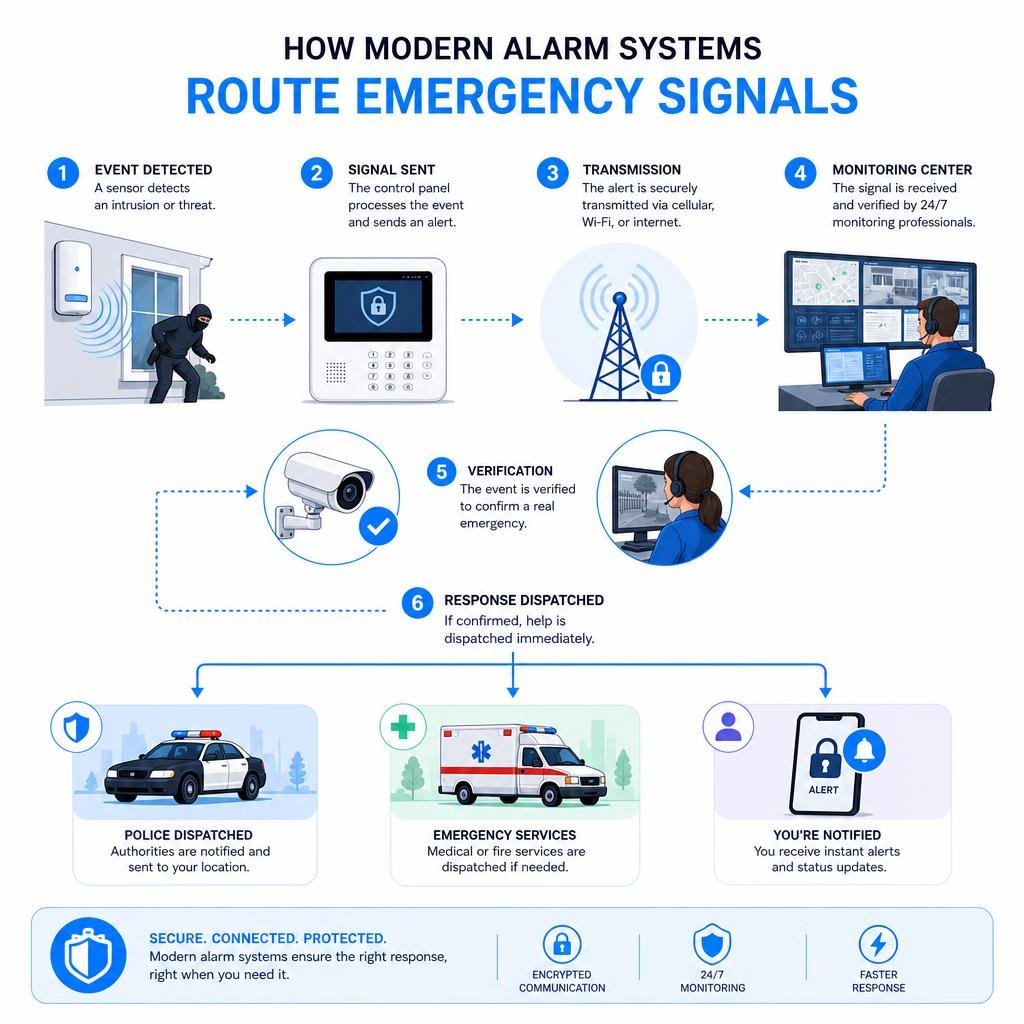
Professional 24/7 monitoring involves a dedicated team of trained operators at a central monitoring station who receive alerts from your security system around the clock. Upon receiving an alarm, these operators follow a strict protocol, typically attempting to verify the alarm (often by contacting you or using video verification) before dispatching emergency services like police, fire, or medical personnel. The primary advantage here is peace of mind, knowing that trained professionals are always watching, even when you’re unavailable or unable to respond. The industry average response time for professional monitoring is approximately 45 seconds, with some leading providers boasting even faster dispatch times, often under 30 seconds. This rapid response can be crucial in mitigating damage or apprehending intruders. Cellular backup reliability is a standard feature for professional monitoring plans, ensuring that communication with the monitoring center remains uninterrupted even if internet or power services fail.
Self-monitoring, on the other hand, means you are solely responsible for responding to alerts. When an alarm is triggered, you receive notifications directly on your smartphone or other devices. While this offers cost savings by eliminating monthly monitoring fees, it places the onus entirely on you to assess the situation, contact emergency services, and coordinate a response. This can be challenging if you are asleep, at work, out of cell service, or simply unable to verify the threat. While self-monitoring systems often come with advanced app features for remote viewing and control, they lack the immediate, professional intervention that 24/7 monitoring provides. For critical incidents, the difference in response time and verification can be significant.
Pricing Models and Contract Flexibility
The financial structure of alarm and surveillance systems has become increasingly varied, offering consumers more choices but also requiring careful consideration. The two main components to evaluate are upfront equipment costs and ongoing monitoring fees, often tied to contract flexibility.
For equipment, options range from purchasing components outright to financing them over an extended period. Many DIY systems require you to buy all hardware upfront, providing lower or no monthly fees for self-monitoring. Professional systems, particularly those with extensive smart home integration, can have substantial upfront equipment costs, sometimes reaching into the thousands of dollars. To alleviate this, many providers offer interest-free financing for equipment, allowing customers to pay for their hardware in monthly installments, often for 24, 36, or even 60 months. This makes premium systems more accessible.
When it comes to monitoring, the industry is split between traditional long-term contracts and more flexible options. Long-term contracts, typically lasting three to five years, often come with the benefit of significantly reduced or even free equipment, as the cost is subsidized by the guaranteed monthly revenue. However, these contracts can include cancellation fees if you terminate service early, making them less appealing for those who anticipate moving or changing providers. In contrast, month-to-month plans offer maximum flexibility, allowing you to cancel service at any time without penalty. This flexibility usually comes at the expense of higher upfront equipment costs or slightly elevated monthly monitoring fees. The choice between these models depends on your financial situation, your expected tenure at a property, and your desire for flexibility versus lower ongoing costs. It’s essential to read the fine print of any contract to understand all terms, conditions, and potential fees before committing.
Active Deterrence and Emergency Response Capabilities
Modern alarm and surveillance systems have evolved beyond passive recording and reactive alarms. They now actively engage in intruder deterrence and sophisticated emergency response, aiming to prevent incidents before they escalate and ensure rapid, verified dispatch of emergency services. This shift towards proactive security is a defining characteristic of advanced systems by June 2026.
A key aspect of this evolution is the focus on false alarm prevention. Traditional systems often suffered from frequent false alarms triggered by pets, weather, or user error, leading to complacency and potential fines from local authorities. Today’s systems integrate advanced technologies like AI video analytics and multi-sensor verification to dramatically reduce these occurrences. When an actual threat is identified, the system’s ability to provide video verification to monitoring centers or directly to emergency services can significantly expedite response times, as verified threats are often prioritized. This leads to more efficient and effective emergency dispatch, ensuring that help arrives when and where it’s truly needed.
Proactive Crime Prevention Technologies
The most effective security system is one that stops crime before it happens. Modern alarm and surveillance systems employ a suite of proactive crime prevention technologies designed to deter potential intruders and intervene in real-time.
One of the most impactful features is live agent intervention. When an intelligent outdoor camera detects suspicious activity, a live monitoring agent can remotely access the camera feed. If a threat is confirmed, the agent can use two-way voice functionality to speak directly to the intruder, issuing a warning. This audible intervention, combined with the activation of warning sirens and smart deter spotlights, often proves enough to scare off would-be criminals. Some systems even feature “Intruder Intervention” or “Smart Deter” technology, where the system itself can trigger lights and sounds or use pre-recorded messages to create the impression of human presence. This immediate, visible, and audible response acts as a powerful deterrent, signaling to the intruder that they have been detected and are being watched. This proactive approach significantly reduces the likelihood of a break-in or other criminal activity, moving beyond simply recording an event to actively preventing it.
False Alarm Mitigation and Verified Dispatch
Minimizing false alarms and ensuring rapid, accurate emergency response are paramount for modern security systems. Innovations in technology have made significant strides in false alarm mitigation and facilitating verified dispatch.
One such innovation is cross-camera tracking, where intelligent cameras can hand off tracking of a suspicious individual or vehicle from one camera to another, providing continuous visual evidence. This comprehensive view helps monitoring agents or homeowners quickly confirm the nature of an event. Similarly, radar-verified detection is emerging as a highly effective tool. Instead of relying solely on passive infrared or pixel changes, radar sensors can accurately detect the presence and movement of people or vehicles, even in challenging weather conditions, while ignoring environmental factors that often trigger false alarms. This dual-verification process significantly enhances accuracy.
When a genuine threat is identified, rapid emergency routing protocols are activated. Many leading providers utilize advanced communication networks, sometimes even integrating directly with public safety answering points (PSAPs) through technologies like RapidSOS. This allows critical information, including video verification, to be sent directly to 911 centers, bypassing intermediate steps and accelerating local police coordination. By providing verified intelligence, emergency responders can prioritize the alarm, leading to faster dispatch and a more effective response to critical situations, ultimately improving public safety and reducing the burden of false alarms on emergency services.
Frequently Asked Questions about Home Security
As alarm and surveillance systems become more sophisticated and integrated into our daily lives, new questions naturally arise. Here, we address some of the most frequently asked questions to provide clarity and insight into modern home security basics and troubleshooting.
What is the average response time for professional monitoring services?
The speed at which emergency services are dispatched after an alarm is triggered is a critical measure of a security system’s effectiveness. While individual response times can vary based on factors like local emergency service availability and the nature of the alarm, the industry standard for professional monitoring services is approximately 45 seconds. Many leading providers, however, consistently report average response times well under this benchmark, sometimes as low as 15-30 seconds.
These rapid dispatch times are achieved through highly efficient dispatch protocols and advanced technology. When an alarm signal is received at a central monitoring station, trained operators quickly verify the alarm (often via two-way audio or video verification) and then immediately contact the appropriate emergency responders (police, fire, or medical). The ability to provide verified information to emergency services often prioritizes the alarm, leading to a faster response compared to unverified calls. This swift action can make a crucial difference in minimizing property damage, deterring intruders, or providing timely medical assistance.
Can renters install comprehensive alarm and surveillance systems?
Absolutely. The security industry has made significant strides in developing solutions specifically tailored for renters, addressing common concerns about installation, portability, and property damage. Many modern alarm and surveillance systems are designed to be renter-friendly, offering comprehensive protection without requiring permanent modifications to the property.
The key to this flexibility lies in wireless equipment. Most DIY systems, and even some professional ones, utilize wireless sensors and cameras that communicate with a central hub via Wi-Fi or other wireless protocols. This eliminates the need for extensive wiring. Furthermore, many components feature damage-free adhesive for mounting, allowing sensors and cameras to be easily attached to doors, windows, and walls without drilling holes. When it’s time to move, these components can be removed without leaving a trace.
Portable hubs are another advantage for renters. The central control panel or hub is often a compact, self-contained unit that can be easily unplugged and relocated. This means renters can take their entire security system with them when they move to a new apartment or rental home, making it a cost-effective long-term investment. While some advanced features like hardwired outdoor cameras might be less practical for renters, the vast majority of security needs can be met with these flexible, portable, and non-damaging solutions.
How do modern security systems prevent false alarms?
False alarms have historically been a significant challenge for security systems, leading to wasted resources for emergency services and frustration for property owners. However, by June 2026, modern systems employ a variety of intelligent technologies to dramatically reduce their occurrence.
One of the most impactful advancements is AI video analytics. Instead of simply reacting to any movement, AI-powered cameras can differentiate between various objects. They can distinguish a person from a pet, a vehicle from a falling leaf, or even an animal from an actual intruder. This intelligent filtering ensures that alerts are triggered only by relevant activity, significantly cutting down on unnecessary notifications.
Another effective technique is dual-sensor verification. This involves requiring two different types of sensors to be triggered before an alarm is sounded. For example, a motion sensor might need to be activated in conjunction with a door/window sensor, or a glass break detector might need to coincide with a motion event. This layered approach adds an extra layer of confirmation. Finally, many systems incorporate user confirmation delays or prompts. When an alarm is triggered, the system might send an immediate notification to the user’s smartphone, allowing them a brief window (e.g., 10-30 seconds) to disarm the system or confirm a false alarm before the monitoring center is contacted or sirens are activated. These combined strategies ensure that modern security systems are not only highly effective at detecting threats but also remarkably intelligent at minimizing false alarms.
Conclusion
The landscape of alarm and surveillance systems in June 2026 offers an unprecedented level of protection, customization, and integration. From robust professional installations to flexible DIY solutions, property owners now have a wealth of options to secure their homes and businesses. We’ve explored the critical distinctions in installation, the power of advanced features like AI recognition and smart home integration, and the financial considerations of monitoring plans and contracts.
The shift towards proactive deterrence, coupled with sophisticated false alarm mitigation and verified emergency dispatch, means that modern systems are more intelligent and reliable than ever before. Whether you prioritize professional oversight, hands-on control, or seamless smart home connectivity, there’s a solution designed to meet your specific needs.
The goal of any alarm and surveillance system is to provide comprehensive security and, most importantly, long-term peace of mind. By carefully evaluating your requirements and understanding the diverse capabilities available, you can select a system that offers not just protection, but a truly customized security experience. Investing in a tailored security solution is investing in the safety and tranquility of your property and everyone within it.