5 Safety Protocols in Specialized Demolition Projects
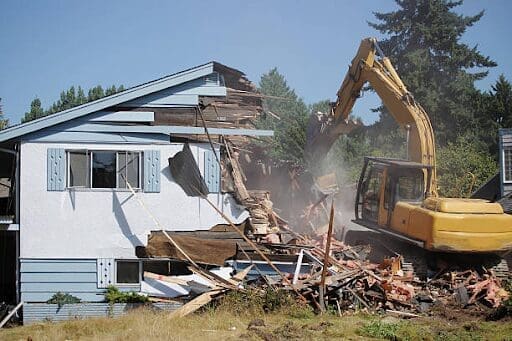
Demolition projects that are specialized need careful planning and stringent safety measures to ensure the safety of workers, the surrounding buildings and the environment. In contrast to ordinary demolition, specialized demolition may include complicated buildings, dangerous substances, or sites in narrow urban areas, which is why safety is the most important issue. Regardless of the dismantling of industrial plants, interior strip-outs, or high-rise buildings, strict safety measures reduce risks and guarantee the successful completion of the project. This paper discusses five key safety measures that any specialized demolition project must adopt to maintain safety and regulatory measures.
Detailed Site Investigation and Hazard Detection
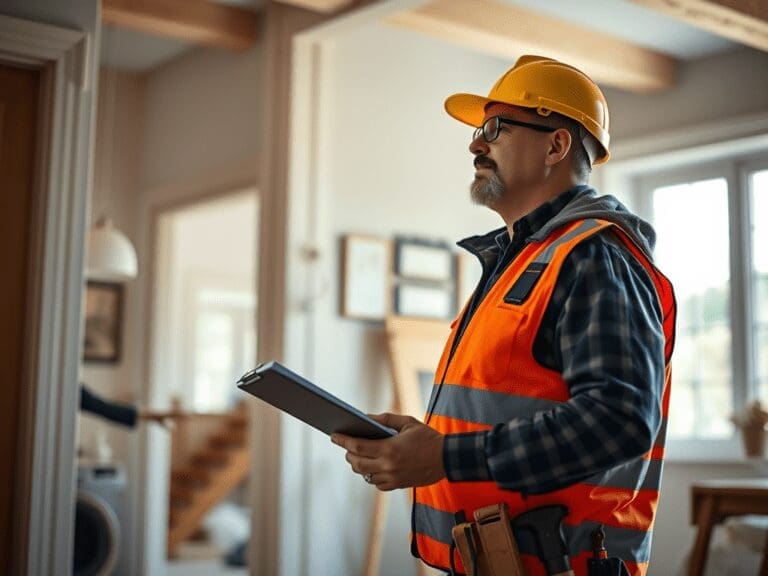
A site assessment is very important before any demolition activity is carried out. This includes the detection of all possible hazards like asbestos, lead paint, electrical wiring, unstable structural components and utilities that are underground. Experts apply elaborate questionnaires and material examination to reveal hidden dangers. This evaluation is used to inform the demolition plan so that the teams can be ready to safely handle and dispose of hazardous substances. The site assessment also takes into account the proximity to the adjacent buildings and the areas that are open to the people, and the safety precautions are not limited to the work zone itself. In the case of property owners who may need reliable partners to manage such complexities, full-service demolition and cleanup services provide the expertise, equipment and safety management required when it comes to specialized demolition tasks.
Extensive Demolition Plan and Method Choice
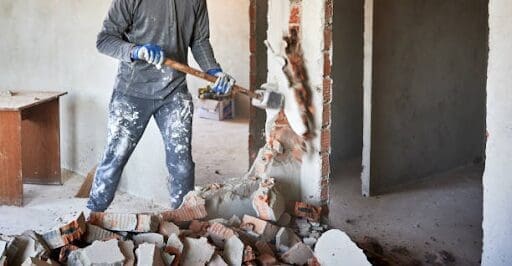
The development of a comprehensive demolition plan that is specific to the project issues is central to safety. The plan gives the process of demolition, which could be mechanical, implosion, deconstruction, or selective dismantling, and orders the work to remove risks. It encompasses the use of controlled heavy equipment and timing to reduce the effects on the neighboring properties. The plan should be in line with the local regulations and industry standards and it should be made clear to the whole demolition crew. A powerful demolition plan minimizes the unexpected and maximizes coordination in the project.
Personal Protective Equipment (PPE) and Worker Training
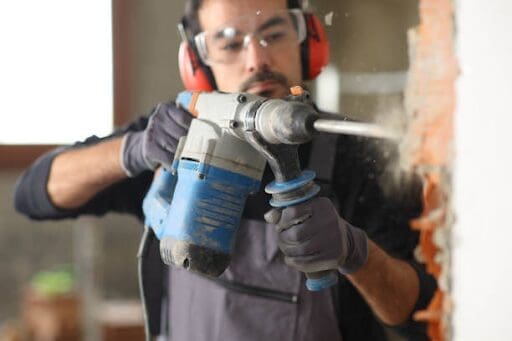
Employees engaged in specialized demolition must be provided with thorough training in safety matters that are specific to the hazards they will face. The correct use of personal protective equipment (PPE) – helmets, respiratory protection, eye and ear protection, gloves and steel-toed boots – is strictly followed. Also, employees are trained on how to use safe equipment, recognise hazards, and emergency procedures. Constant monitoring will be used to make sure that the use of PPE and safe work practices is observed. The specialized training is particularly relevant in projects that require working with hazardous materials or in confined spaces where risks may develop rapidly unless precautions are taken.
Dust and Debris Control Measures
Special demolition produces a lot of dust and debris that are dangerous and hazardous to the surrounding environment. The use of dust suppression methods like water sprays, misting systems and containment barriers can be used to reduce airborne particulates. Debris control is the process where nets, scaffolding and chute systems are used to handle the falling materials. Effective containment reduces environmental as well as worker injuries and damage to neighboring property and the general environment. It is also necessary to monitor the air quality and debris flow to dynamically change the control measures during the demolition process.
Emergency Preparedness and Site Security
In spite of the best efforts, there may be emergencies in the course of the demolition projects. It is important to have a well-defined emergency response plan, which consists of evacuation routes, first aid points, and communication measures. Employees should be trained on how to respond effectively to accidents like structural collapses, fire, chemical spills or equipment malfunctions. Safety drills should be conducted frequently to ensure that the team is ready. Moreover, site security limits unauthorized access, which avoids accidents and liability problems. Fencing, signage and controlled access points protect the demolition team and the citizens.
Conclusion
The demolition projects are specialized and require a high degree of safety vigilance in order to offer protection to the workers, the environment and the communities around them. Conducting site surveys, elaborate demolition schedules, rigorous use of PPE, training, effective dust and debris management and emergency preparedness are essential measures that provide safer working conditions and project success.
Safety measures are not only a regulation but also a reputation of responsible and professional project execution, which is a necessity in the current competitive demolition business.