5 Preventive Measures That Families Can Rely On For Oral Health

You might be feeling a little guilty every time your child complains about a toothache, or every time you remember that the floss has been sitting unopened in the bathroom drawer. Maybe you are juggling school runs, work, and meals, and dental care keeps slipping to the bottom of the list until a cavity or an emergency visit brings it right back to the top. When that happens, finding a trusted Chillicothe oh dentist can make it easier to get your family’s oral health back on track.
If that sounds familiar, you are not alone. Family oral health can feel like one more thing you are supposed to “get right” without ever being shown a simple, realistic plan. The good news is that you do not need perfection. You need a few steady habits that protect your family’s teeth day after day. This guide walks through 5 preventive measures families can rely on for oral health, why they matter, and how to make them fit into real life, not an ideal one.
In short, you will see how brushing, flossing, smart food choices, fluoride, and regular visits to a general dentist work together like a safety net. You will also see what you can start doing today, even if things feel a bit off track right now.
Why does family oral health feel so hard to manage?
On paper, oral care sounds simple. Brush twice a day, floss, and see the dentist. In reality, mornings are rushed, evenings are tiring, and children are not always eager to cooperate. Because of this tension, you might wonder if it is even possible to keep everyone’s teeth healthy without constant nagging or expensive treatments.
There is also the quiet worry about money. Dental problems rarely come at a good time. A single emergency visit or a crown can cost far more than routine checkups. When you add in missed school days, time off work, and the stress of a child in pain, the emotional and financial weight can be heavy.
So, where does that leave you? It leaves you needing a simple, family-friendly approach to preventive dental care for families so that problems are less likely to build up in the first place. The five measures below are the core building blocks.
Measure 1: Daily brushing that actually works
Brushing is the foundation of family oral hygiene, yet many families rush through it. Children chew on the toothbrush. Teens brush for ten seconds. Adults skip a night now and then. Over time, plaque builds up, and cavities start quietly.
For children, the Centers for Disease Control and Prevention offers clear guidance on toothbrushing tips by age. The key is to use a fluoride toothpaste, a soft brush, and to help your child until they have the hand skills to do a thorough job, usually around age 7 to 8.
A realistic goal is two minutes, twice a day. Instead of turning it into a battle, turn it into a routine. Use a song, a timer, or a short video. Brush your own teeth at the same time so your child sees that this is simply what everyone does, not a punishment.
Measure 2: Flossing and cleaning between teeth
Many families skip flossing because it feels fiddly and time-consuming. Yet most cavities in older children and adults start between teeth, where the toothbrush cannot reach. If brushing cleans the front and back of teeth, flossing cleans the hidden sides where food and bacteria sit undisturbed.
For younger children, you can use floss picks and do it for them. For older kids and teens, explain the “why” in simple terms. Cavities between teeth are harder to fix and often need more drilling. A minute of flossing can prevent that. Some families find it easier to floss right after school or after dinner, instead of adding it to a rushed bedtime.
Measure 3: Smart food and drink choices
Even with great brushing and flossing, constant sugar and acid can wear teeth down. This is not just about candy. Juice, sports drinks, soda, sticky snacks, and frequent grazing all increase the time that teeth are under attack.
The goal is not a perfect diet; it is fewer “sugar hits” and more tooth-friendly options. Offer water instead of juice most of the time. Keep sweets with meals, not as all-day snacks. Choose cheese, nuts, yogurt, or crunchy vegetables as snacks more often. Small changes, repeated over time, protect the whole family.
Measure 4: Fluoride and sealants as quiet protectors
Fluoride is a natural mineral that strengthens tooth enamel and makes it harder for cavities to form. Most children benefit from fluoride toothpaste and, depending on local water and risk level, fluoride treatments at the dental office.
State and local health departments often provide guidance. For example, there are programs focused on fluoride and oral health for infants and preschoolers, which explain how much toothpaste to use and when to start.
Dental sealants are another quiet protector. A sealant is a thin, protective coating that a general dentist paints on the chewing surfaces of back teeth. It blocks food and bacteria from settling into the deep grooves where a toothbrush cannot always clean. Sealants are especially helpful for school-age children with newly erupted molars.
Measure 5: Regular visits to a general dentist
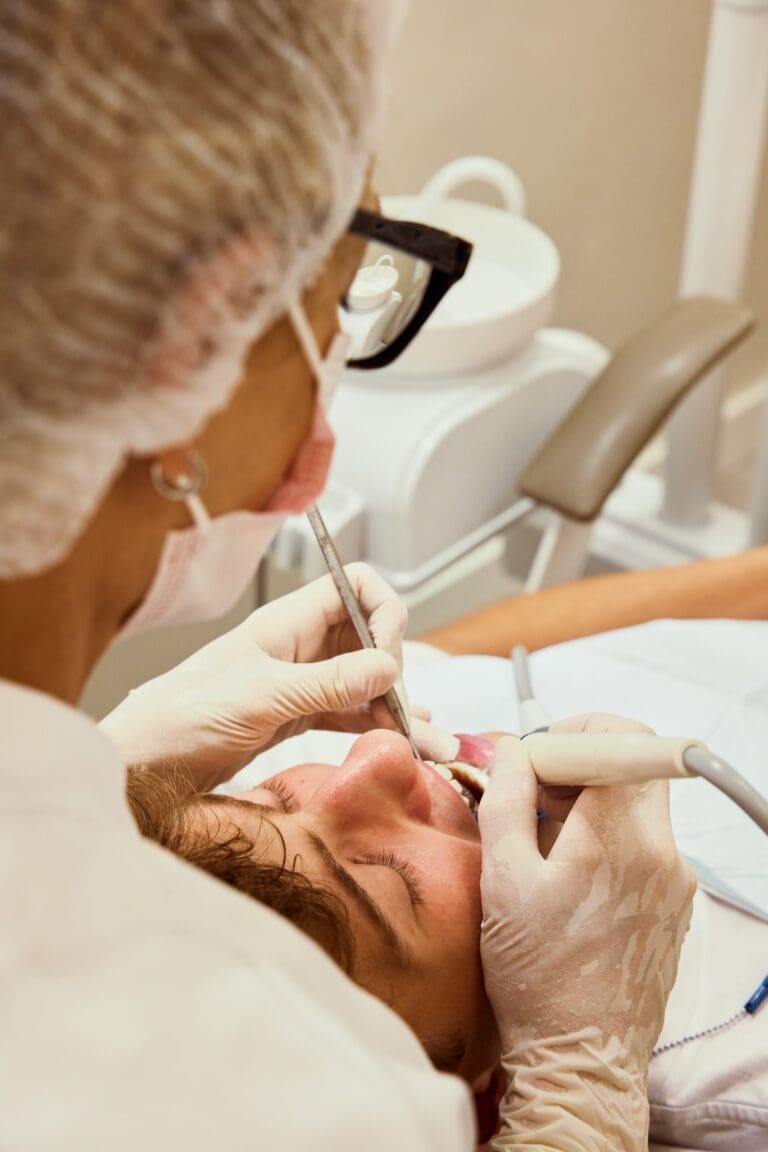
Even with the best home care, professional checkups and cleanings catch what you cannot see. Small cavities, early gum problems, and bite issues are easier and less expensive to handle when they are found early.
For many families, the fear is that a routine visit will turn into a long list of treatments. In reality, consistent preventive visits usually mean fewer surprises. Some public health programs, like those described in this overview of children’s oral health prevention, show that regular care cuts down on emergency visits and missed school days.
If your child is anxious, tell the office ahead of time. Many general dentists are skilled at working with children and can pace the visit, explain tools in kid-friendly language, and build trust over time.
How do these preventive measures compare in impact and effort?
You might be wondering which habits matter most if you cannot change everything at once. The table below gives a simple comparison based on the typical impact on cavity prevention and effort for a busy family.
| Preventive measure | Typical impact on cavity prevention | Time / effort for families | Good first step if you are overwhelmed? |
|---|---|---|---|
| Twice daily brushing with fluoride toothpaste | Very high | Low to moderate. About 4 minutes per person per day. | Yes. Start here for everyone. |
| Daily flossing or cleaning between teeth | High | Moderate. Technique takes practice. | Good second step once brushing is solid. |
| Healthier snacks and fewer sugary drinks | High | Moderate. Requires planning and habit change. | Start with one change, such as water instead of juice. |
| Fluoride treatments and sealants | Very high for children at risk | Low. Done during office visits. | Ask your dentist during the next checkup. |
| Regular checkups and cleanings | High | Moderate. Time off from school or work is needed. | Schedule at least once a year, ideally twice. |
What can you start doing today to protect your family’s teeth?
When you want to improve your family preventive oral care, it helps to think in small, clear steps instead of a big overhaul. Here are three actions you can take right away.
1. Pick one “non-negotiable” brushing time
Choose either morning or bedtime as your must-do brushing time for the whole family. Commit to making that time consistent for two weeks. Put brushes, toothpaste, and a timer or song where everyone can see them. Once that habit feels natural, add the second daily brushing.
2. Swap one sugary drink for water each day
You do not have to remove every treat. Start by choosing one regular sugary drink, such as the afternoon juice box or soda at dinner, and replace it with water. Make water easy to grab by keeping cups or bottles handy. This single change lowers the number of sugar attacks on teeth.
3. Schedule or confirm your next general dentist visit
Preventive dental visits are easier to keep when they are on the calendar. If you already have a dentist, check when your last visit was and schedule the next checkup and cleaning. If you do not have one, ask friends, your child’s school, or your pediatrician for recommendations, especially for offices experienced with children and family care.
Moving forward with confidence about your family’s oral health
Caring for your family’s teeth does not require perfection or special knowledge. It requires a few steady habits and a willingness to start where you are. Brushing with fluoride, flossing, smarter snacks, fluoride support, and regular visits to a general dentist work together to prevent many of the problems that keep you up at night.
Even if things have been off track for a while, you can reset today. Choose one small step, follow through, and build from there. Over time, you will see fewer surprises, less stress, and more confident smiles at home.