4 Time-Management Ideas That Actually Make You Enjoy Planning
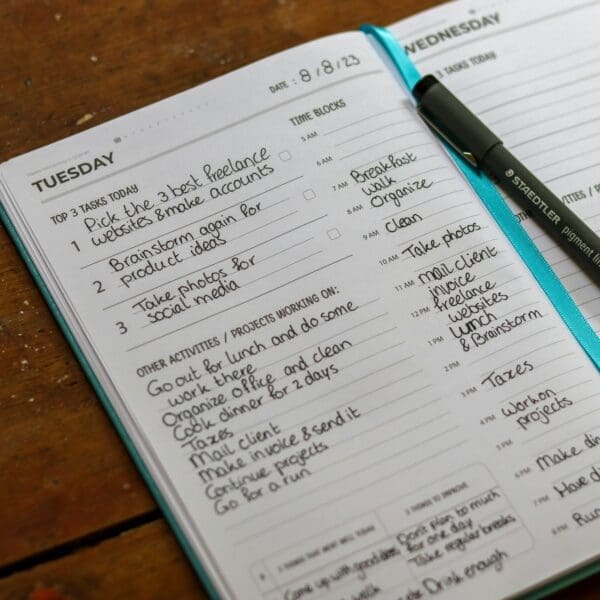
Planning shouldn’t feel like a strict system you’re forcing yourself into. The truth is, most people don’t hate planning. In fact, they hate the stress, the pressure, and the endless digital clutter that comes with it. When your planning tools don’t support your brain, time management becomes exhausting. But with the right approach, you can shift planning from something you avoid to something you actually enjoy.
Before diving into the ideas, remember this: planning becomes easier when your system feels visual, simple, and clear. Most people stay consistent not because they have the “perfect tool” but because they have a system that feels intuitive.
That being said, below are time-management ideas that help you build a planning routine you’ll actually look forward to.
1. Use One Big Visual Overview
One of the biggest reasons planning becomes stressful is that information is scattered everywhere — sticky notes on the fridge, unread reminders on your phone, screenshots buried in a folder, and tasks lost in a half-used notebook. When you consolidate everything into one large, visual overview, planning becomes lighter and easier to follow.
This is why many people prefer using a large wall calendar, like those provided by The Big Ass Calendar, to bring all their monthly plans together in one place. It gives you room to write, space to visualize your schedule, and the ability to see your entire month without switching apps.
A single visual calendar helps you:
- Understand busy weeks at a quick glance.
- Reduce mental clutter.
- Notice patterns, deadlines, and open spaces.
- Avoid double-booking or forgetting tasks.
- Stay consistent because everything looks clear and organized.
When your whole month is laid out in front of you, planning stops feeling like micromanaging — and starts feeling like designing your day with intention.
2. Break Tasks Into “Mini Wins” to Boost Motivation
Most planning systems fail because we write giant, overwhelming tasks. Your brain doesn’t enjoy reading “Finish project.” Rather, it enjoys simple, doable steps like “draft outline” or “edit section one.” Mini wins create momentum and give you the psychological boost you need to stay motivated. When you break tasks down, you make planning more achievable and far more enjoyable.
Try breaking large tasks into steps like:
- Clean the garage ? clear one shelf, bag donations, sweep floor.
- Plan a presentation ? write bullet points, design slides, rehearse.
- Organize closet ? group clothes, sort accessories, declutter shoes.
These mini wins provide continuous positive feedback, which keeps your brain engaged.
Why this works:
- Simpler tasks reduce procrastination.
- You experience more “wins” throughout the day.
- The brain stays motivated with small rewards.
- Progress feels steady rather than overwhelming.
3. Theme Your Days to Remove Decision Fatigue
Decision fatigue is real — and it kills motivation. When you wake up and don’t know what to work on first, you waste energy deciding instead of doing. Themed days solve this problem by giving every day a purpose.
Instead of starting from zero each morning, you start with a built-in focus. Creating themes gives your day structure without confining you. It’s a flexible way to stay organized while still giving yourself freedom.
This method helps you:
- Reduce morning indecision.
- Simplify to-do lists.
- Evenly distribute your workload.
- Protect your energy for meaningful tasks.
You can adjust themes anytime as life changes — the point is to create a weekly rhythm that feels natural.
4. Make Planning a Weekly Ritual
Most people try to plan everything at once, which leads to burnout. Instead, try creating a weekly planning ritual — something relaxing, simple, and enjoyable.
A weekly 10–15 minute “reset session” can refresh your entire schedule.
What to do in your weekly check-in:
- Review what went well.
- Move unfinished tasks.
- Update the upcoming week.
- Remove tasks you don’t truly need.
- Add any new plans or reminders.
Pair this ritual with something calming — a cup of coffee, soft music, dim light, or your favorite candle. When your senses associate planning with comfort, consistency becomes effortless.
Why this method works:
- Planning feels relaxing, not stressful.
- Your schedule stays realistic and updated.
- You waste less time changing plans mid-week.
- You build a positive emotional connection with planning.
Once planning becomes a ritual you enjoy, sticking to your schedule becomes second nature.
Conclusion
Time management becomes enjoyable when it’s visually clear, broken into small wins, supported by themed days, and wrapped in a weekly ritual that feels good. Using the right tools, simplifying tasks, and creating meaningful planning habits can transform the way you organize your life. Once planning feels calm and intuitive, staying consistent becomes easy — and that’s when real productivity begins.