4 Key Services General Veterinarians Provide For Cats And Dogs
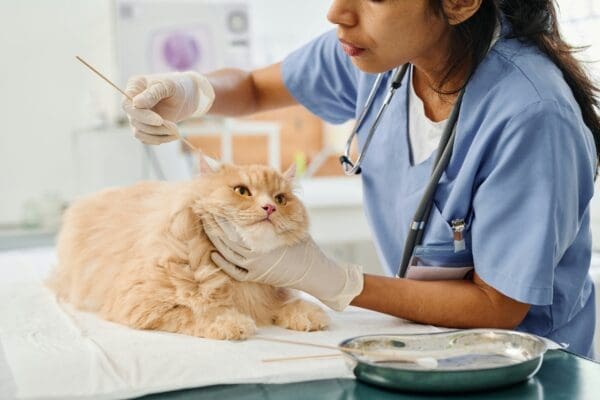
Your cat or dog depends on you for everything. Food. Safety. Comfort. Yet one quiet support system often gets ignored. Your general veterinarian. Routine visits protect your pet from pain, fear, and sudden emergencies. They also catch hidden problems before they turn into crises. Through regular North Augusta veterinary care, you learn what your pet cannot say. You see warning signs early. You act with confidence, not panic. This blog explains four key services general veterinarians provide for cats and dogs. You will see how checkups, vaccines, dental care, and basic procedures work together. Each service serves one goal. A longer, calmer life for your pet. When you understand these services, you can ask clear questions. You can plan ahead. You can avoid regret. Your pet gives you trust. These simple steps help you honor that trust every single day.
1. Routine Wellness Exams
Routine exams form the base of lifelong care. You bring your pet in when nothing seems wrong. Your veterinarian checks from nose to tail and looks for early clues.
During a wellness exam, your veterinarian may:
- Listen to the heart and lungs
- Check eyes, ears, teeth, and gums
- Feel the abdomen for lumps or pain
- Check joints and muscles for stiffness
- Review eating, drinking, and bathroom habits
- Discuss behavior, mood, and sleep
Simple tests like blood work or urine checks can uncover kidney trouble, diabetes, or infections before your pet looks sick. The American Veterinary Medical Association advises yearly exams for healthy adult pets. Senior pets or pets with health problems may need visits more often.
With steady exams, you avoid guesswork. You know your pet’s normal weight, heart rate, and lab values. You also gain a clear plan for food, exercise, and any needed treatment.
2. Vaccines and Parasite Prevention
Vaccines and parasite control guard your pet from common threats. Many of these threats spread silently. Some also affect people in your home.
Core vaccines for dogs often include:
- Rabies
- Distemper
- Parvovirus
- Adenovirus
Core vaccines for cats often include:
- Rabies
- Feline panleukopenia
- Feline herpesvirus
- Calicivirus
Your veterinarian may suggest extra vaccines based on your pet’s risk. Examples include leptospirosis, Lyme disease, or feline leukemia. The Centers for Disease Control and Prevention explains how vaccines and parasite control protect both pets and people.
Parasite prevention often covers three groups.
- Fleas that cause itching, skin infection, and tapeworms
- Ticks that spread Lyme disease and other infections
- Heartworms are spread by mosquitoes that damage the heart and lungs
Year-round prevention is easier and cheaper than treatment. A single missed dose can open the door to serious disease. Your veterinarian picks products and schedules that match your pet’s age, weight, and lifestyle.
3. Dental Care for Mouth and Teeth
Dental care often gets ignored until bad breath or tooth loss appears. By that time, your pet may already feel steady pain. Regular dental checks and cleaning protect more than the mouth. Gum disease is linked to heart, kidney, and liver problems.
Your veterinarian checks for:
- Tartar buildup and red gums
- Broken or loose teeth
- Oral tumors or growths
- Jaw pain
Professional cleaning usually happens under anesthesia. Your veterinarian cleans above and below the gum line and may take dental X-rays. You then keep progress at home with brushing, dental diets, or approved treats.
Here is a simple comparison of home care and professional care.
| Type of dental care | Who does it | How often | Main goal |
|---|---|---|---|
| Tooth brushing | You | At least several times per week | Slow plaque buildup and keep gums healthy |
| Dental diets or chews | You | Daily as advised | Support cleaning between brushings |
| Veterinary dental exam | Veterinarian | Yearly or as advised | Spot early disease and plan care |
| Professional cleaning under anesthesia | Veterinarian | Every 1 to 3 years | Remove tartar and treat deeper problems |
When you treat dental health as routine, you cut the risk of sudden tooth loss, mouth infection, and long hospital stays.
4. Basic Surgical and Emergency Care
General veterinarians handle many common procedures that change your pet’s life path. The most familiar are spay and neuter surgeries. These prevent unwanted litter. They also lower the risk of some cancers and serious infections of the uterus or prostate.
Other basic procedures may include:
- Lump removal and testing
- Wound cleaning and repair
- Ear surgery for chronic infection
- Simple eye procedures
- Bladder stone removal
Many clinics also manage urgent needs such as vomiting, diarrhea, minor trauma, or sudden pain. They stabilize your pet and decide whether referral to a specialist is needed. You gain one trusted team that knows your pet’s history and responds when you face fear and confusion.
How Often Should Your Pet See a Veterinarian
Visit schedules depend on age and health. This guide can help you plan.
| Life stage | Typical visit frequency | Main focus |
|---|---|---|
| Kitten or puppy | Every 3 to 4 weeks until vaccine series ends | Vaccines, parasite control, growth checks, behavior support |
| Healthy adult | Once per year | Wellness exam, vaccines, dental check, screening tests |
| Senior pet | Every 6 months | Arthritis, organ health, weight change, comfort support |
| Pet with chronic disease | As advised, often every 2 to 4 months | Medication checks, lab work, symptom control |
You can use this as a starting point. Then you can adjust with your veterinarian based on your pet’s needs.
Taking the Next Step for Your Pet
You do not need to wait for a problem to act. You can call your clinic and schedule a wellness visit. You can bring a list of questions about food, vaccines, dental care, or behavior. You can ask about costs, payment plans, and what to watch for at home.
Every small step you take with your general veterinarian builds safety for your pet. It also builds your own sense of control. You stand between your pet and silent suffering. With steady care, you give your cat or dog the quiet gift of comfort, security, and time with you.