4 Common Services Offered At A General Veterinary Clinic

You might be watching your pet sleep right now, wondering if you are doing enough for them. Maybe you noticed a new limp, a change in appetite, or just that nagging feeling that it has been a while since the last checkup. You care, but you are busy, and the idea of sorting out what a general veterinarian actually does, including services like pet pain management in Maple Valley, WA, can feel like one more thing on a long list.end
It can help to know this. A general veterinary clinic is not just for emergencies or vaccines. It is the everyday partner that helps keep your pet comfortable, safe, and as healthy as possible, from the first puppy or kitten visit to the slower senior years. When you understand the core services they offer, it becomes much easier to decide when to call, what to ask, and how to plan ahead.
In simple terms, a general veterinarian usually focuses on four main areas. Routine wellness and preventive care. Vaccinations and parasite control. Diagnosis and treatment when your pet is sick or in pain. And basic procedures such as dental care and surgery. Once you see how these pieces fit together, the whole picture of care feels less overwhelming and more like a steady, manageable plan.
Why does routine care at a general vet matter so much for your pet?
It often starts quietly. Your dog seems a bit slower on walks. Your cat drinks more water than before. Nothing dramatic. Easy to ignore. Then one day, something changes fast, and you find yourself at the clinic, worried and wishing you had gone in earlier.
This is where a full service veterinary clinic earns its value. Routine wellness visits are not just about ticking a box or getting a vaccine. There are chances to catch problems early, sometimes months or even years before they turn into a crisis. A general vet checks weight trends, heart and lung sounds, teeth and gums, joints, eyes, and skin. They may suggest bloodwork, especially as pets age, to look for silent issues like kidney disease, diabetes, or thyroid problems.
The emotional challenge is real. You might worry about bad news or about the cost of tests. You might feel guilty if it has been a long time since your last visit. That guilt can make you delay even more. So the quiet problems keep growing in the background.
Because of this tension, you might wonder where preventive care ends and “real” medical care begins. The truth is that for pets, the line between the two is very thin. A yearly or twice-yearly wellness exam, plus tailored vaccines and parasite prevention, is often the difference between small, manageable issues and sudden emergencies that are harder on both your heart and your wallet. The American Veterinary Medical Association offers helpful guidance on general pet care and routine needs, which can make those decisions feel a bit clearer.
What are the 4 common services you can expect from a general veterinary clinic?
When you think of a general veterinary clinic, it can help to picture four main pillars of care. Each one supports your pet at a different stage or moment in life.
1. Wellness exams and preventive care
These are the regular checkups, usually once or twice a year. Your vet will ask about behavior, diet, activity level, and any changes you have noticed. They will examine your pet from nose to tail, check weight and body condition, and suggest blood tests or urine tests when needed. For seniors, more frequent visits are often recommended because health can change quickly.
These appointments are also the time to talk about nutrition, exercise, behavior problems, and how to keep your pet comfortable at home. Many problems, from arthritis to anxiety, can be eased if they are recognized and addressed early.
2. Vaccinations and parasite prevention
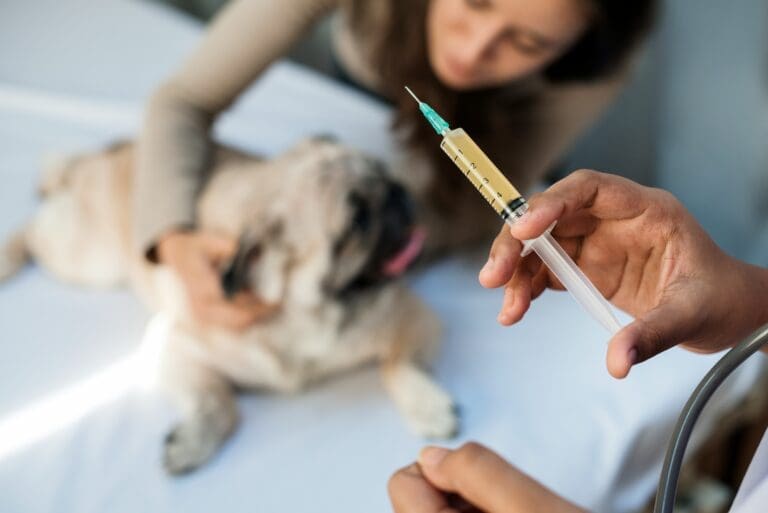
Vaccines protect against serious diseases such as rabies, parvovirus, distemper, and feline leukemia. Your vet will create a schedule based on your pet’s age, lifestyle, and local risks. For example, a dog that hikes and visits dog parks has different exposure risks than an indoor-only cat.
Parasite prevention covers fleas, ticks, heartworm, and intestinal worms. These are not just annoying. Some spread disease to pets and even to people. A general vet helps you choose safe and effective preventives, and explains how often to use them.
3. Diagnosis and treatment when your pet is sick
When something is wrong, your primary care vet is your first call. They listen to your concerns, perform a physical exam, and may recommend tests such as bloodwork, X-rays, or an ultrasound. Sometimes the problem is simple, such as an ear infection or stomach upset. Other times it is more serious, such as organ disease or cancer.
Your vet’s role is to explain what they find in plain language, outline options, and help you weigh them against your budget, your schedule, and your pet’s quality of life. You do not have to know all the right questions. A good general vet guides you through, step by step.
4. Dental care and common surgeries
Dental disease is one of the most common health issues in adult pets. A general clinic typically offers dental cleanings under anesthesia, dental X-rays, and extractions when teeth are damaged or painful. This is not cosmetic work. It can relieve chronic pain, reduce infection, and even protect the heart and kidneys.
Most general vets also perform routine surgeries such as spaying and neutering, lump removals, and minor wound repairs. When a case is more complex, they may refer you to a specialist, but they remain your partner in planning and follow-up.
How do these services compare, and what should you plan for?
It can be hard to know what to prioritize when money, time, and worry are all in the mix. You might ask yourself if you really need that wellness visit, or if you can wait on a dental cleaning, or if a strange symptom is urgent. Looking at the typical tradeoffs can bring some clarity and help you use your general vet’s services wisely.
| Service at a general vet | What it focuses on | Typical timing | Risk if delayed |
|---|---|---|---|
| Wellness exams & basic tests | Early detection and prevention | Once or twice a year | Higher chance of sudden, advanced illness |
| Vaccines & parasite prevention | Protection from infectious disease and parasites | On a set schedule, often yearly or monthly | Greater risk of preventable disease and zoonotic infections |
| Sick visits & urgent concerns | Diagnosis and relief of pain or illness | As soon as you notice worrying signs | Condition may worsen, causing more pain and higher costs |
| Dental care & routine surgery | Comfort, function, and long-term health | As advised, often annually or as needed | Chronic pain, infection, and reduced quality of life |
The AVMA has a helpful guide on what to expect from your pet’s veterinary visit. Reading through it before you go can make you feel more prepared, and it can also help you decide which questions to ask during your appointment.
What can you do right now to use your general vet’s services wisely?
1. Schedule a wellness check and bring notes
Even if your pet seems fine, book a routine visit if it has been more than a year. Before you go, write down any small changes you have noticed. Drinking more water. Sleeping differently. New lumps. Changes in appetite or bathroom habits. These details help your vet spot patterns that might not be obvious in a quick exam.
2. Ask for a simple, written care plan
During the visit, ask your vet to outline a basic 12-month plan. Vaccines due, parasite prevention schedule, recommended tests based on age, and any dental or weight goals. Having it in writing turns vague worry into a clear set of steps. You can then budget and plan around it instead of reacting in a panic when something pops up.
3. Watch for “red flag” signs and call early
You know your pet better than anyone. If something feels off and lasts more than a day or two, call your general vet rather than waiting for it to become an emergency. Sudden vomiting or diarrhea, trouble breathing, collapse, refusal to eat, or visible pain all warrant prompt attention. It is always reasonable to call and ask if your pet should be seen. A brief phone conversation can save you from a sleepless night of worry or from a late, rushed emergency visit.
Where does this leave you and your pet?
You do not need to know every medical term or predict every problem. Your job is to notice changes, show up, and ask for help when something feels wrong. Your general veterinarian’s job is to turn that concern into a plan, using those four core services to support your pet over time.
Whether you are caring for a wild puppy, a calm adult cat, or a slow-moving senior dog, using a primary care vet as your steady partner can bring real peace of mind. You are not trying to be perfect. You are aiming for consistent, reasonable care from a trusted primary vet, one visit and one decision at a time.