Why Vaccinations Are A Core Service of Animal Hospitals
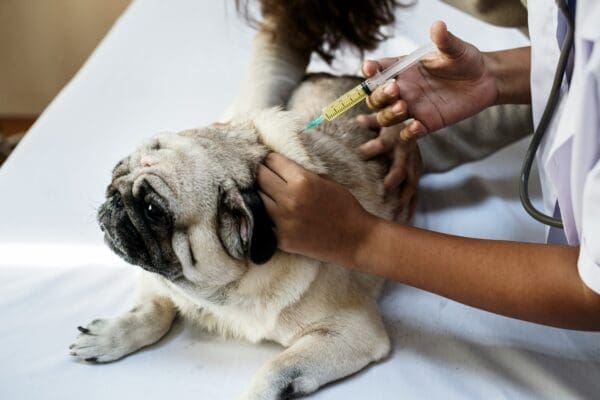
You might be feeling that quiet, nagging worry every time your pet sniffs a new dog at the park or curls up on your lap after a long day. You hear about vaccines at every vet visit; you see reminders on your email and fridge, yet it can still feel confusing. Whether you visit a veterinarian in North Hollywood or somewhere else entirely, the questions are the same. How many shots do they really need, how often, and what happens if you fall behind or skip one because life got busy or money got tight?
That tension is very real. On one hand, you want to protect your pet and do “everything right.” On the other hand, you may be tired of appointments, unsure who to trust online, or afraid of side effects. Because of this, you might wonder why animal hospitals insist that vaccinations are not just an add-on, but a core service they build everything else around.
Here is the short answer. Vaccinations are one of the few things in medicine that prevent suffering before it starts, protect entire communities of pets and people, and often cost far less than treating the diseases they stop. When an animal hospital focuses on vaccines, it is not trying to push more visits. It is trying to keep you out of the emergency room later.
Why do animal hospitals put so much weight on vaccines?
Think about how most health problems show up. Your pet seems fine, until suddenly they are not. Vomiting, coughing, trouble breathing, a fever that came out of nowhere. By the time you notice, the problem has already grown, and now you are racing to fix it.
Diseases like parvovirus, distemper, panleukopenia, and rabies work exactly that way. They hide for days, then explode, and treatment is hard, expensive, and sometimes not enough. This is the “before” many pet owners know too well. A normal week turns into a blur of hospital visits and painful decisions.
The “after” looks very different when vaccines are part of regular animal hospital care. When your pet is protected, they can still get exposed, but their body is trained to recognize the threat and shut it down quickly. What could have been a crisis turns into a mild illness or nothing at all. You never see the disaster that almost happened.
If you want to read a clear, vet-approved overview of how pet vaccines work and why schedules matter, the American Veterinary Medical Association has a helpful guide on vaccinations for your pet.
What happens if vaccines are skipped or delayed?
The problem does not usually show up the next day. That is what makes the decision tricky. You skip a visit, your pet seems fine, and you start to wonder if vaccines were really necessary. Months pass. Nothing bad happens. It is natural to think you made the right call.
Then picture this. A young dog that missed its booster shots goes to a boarding kennel for the first time. A week later, it starts vomiting and having bloody diarrhea. The diagnosis is parvovirus. Treatment can mean days in intensive care, hundreds or even thousands of dollars, and still no guarantee of survival. All from a virus that a standard vaccine series could have blocked.
Or consider a cat that lives mostly indoors. It sneaks out one night, fights with a stray, and comes home with a small bite you barely notice. Months later, it begins to act strangely. It hides, then becomes unusually aggressive. That is how rabies can appear. In many places, a cat that is not vaccinated and bites someone may have to be quarantined or euthanized for testing. A simple rabies shot, which is a core part of pet vaccination services at animal hospitals, can prevent not only the disease, but the legal and emotional fallout.
So where does that leave you? It leaves you in a place where skipping vaccines looks harmless in the moment, yet carries a quiet, heavy risk that only shows itself when life throws you a curveball.
How do vaccines protect both pets and people?
Animal hospitals do not think only about the single patient in front of them. They think about the home, the other pets, and the humans who share the space. Some diseases are “zoonotic,” which means they can move from animals to people.
Rabies is the most famous example. It is almost always fatal once symptoms start, in both animals and humans. That is why rabies vaccination is often required by law. There are other infections that can move between pets and humans, especially in families with children, older adults, or anyone with a weaker immune system. The CDC explains more about how close contact with animals, including pets like cats, can affect human health in its overview on staying healthy around cats.
When animal hospitals treat vaccination as a core service, they are also acting as a shield for your entire household. A vaccinated pet is less likely to bring dangerous germs into your living room, onto your couch, or into your child’s bed.
What about cost, safety, and “too many shots” concerns?
Cost is one of the biggest reasons people hesitate. A full visit for shots can feel like a lot when money is tight, especially if your pet seems perfectly healthy. Yet the hard truth is that treatment for vaccine-preventable diseases almost always costs more than the vaccines themselves. It also costs more in stress, time off work, and emotional strain.
Side effects are another common fear. Any medical treatment carries some risk. The good news is that serious vaccine reactions are rare, and animal hospitals are trained to recognize and treat them quickly. Most pets have no reaction at all, or only mild sleepiness or soreness for a day.
You might also worry about “over vaccinating.” This is exactly why working with an animal hospital matters. They do not give every shot to every animal. Instead, they build a schedule based on species, age, lifestyle, and local disease risks. Indoor-only cats may have different needs from outdoor barn cats. A city apartment dog has a different risk profile than a hiking and camping dog. A good team will explain which vaccines are core and which are optional, and why.
Comparing the real risks and benefits of pet vaccinations
Sometimes it helps to see the trade-offs side by side. This is how vaccination compares to going without in many common situations.
| Situation | With regular vaccinations | Without vaccinations |
|---|---|---|
| Exposure to contagious diseases at parks, boarding, or shelters | Much lower risk of severe illness. If infected, often milder signs and faster recovery. | High risk of serious disease such as parvo or distemper. Longer treatment and higher chance of death. |
| Emergency medical bills | Predictable, usually lower preventive care costs spread out over time. | Possible sudden, large bills for hospitalization, intensive care, or long-term treatment. |
| Legal and public health concerns, especially for rabies | Meets legal requirements in many areas. Lower risk of quarantine or legal action after a bite. | Possible mandatory quarantine or euthanasia for testing if a bite occurs. Legal and financial consequences. |
| Impact on family members with weaker immune systems | Reduced chance of pets passing on certain infections. | Higher risk of zoonotic disease transmission to children, older adults, or immunocompromised people. |
| Peace of mind over the long term | Confidence that you have taken a proven step to prevent serious illness. | Ongoing worry about “what if” every time your pet is exposed to other animals. |
What can you do right now to protect your pet?
1. Get clear on your pet’s current vaccine status
Gather any records you have from breeders, shelters, or previous vets. If you are not sure what your pet has received, call your current animal hospital and ask them to review the file. If you do not have a regular clinic, choose one and schedule a wellness exam. Ask directly for a simple explanation of which core vaccines are recommended and why. You can also bring questions from trusted sources such as the AVMA’s page on which vaccines pets need.
2. Talk openly about your concerns and your budget
You do not have to pretend you are not worried about side effects or cost. Tell the veterinary team what is on your mind. Ask about the most important vaccines first, and whether the schedule can be spaced in a way that fits both your pet’s health and your finances. Many animal hospitals offer wellness plans, low-cost vaccine clinics, or ways to prioritize care so your pet still gets critical protection without overwhelming you.
3. Build a simple reminder habit
Once your pet is up to date, the next challenge is staying that way. Put vaccine due dates in your phone calendar. Turn on reminder emails or texts from your animal hospital. Attach vaccine visits to another yearly habit, such as your own physical exam or tax season, so it is easier to remember. This turns routine vaccinations from a stressful surprise into a normal part of caring for your pet.
Where does this leave you and your pet?
You do not need to become an expert on every disease. You do not need to feel guilty about what you did or did not do in the past. What matters is the choice you make from here. When you understand why vaccinations at an animal hospital are treated as a core service, the picture changes. It is not about one more appointment. It is about stacking the odds in favor of your pet’s comfort, your family’s safety, and your own peace of mind.
Your next step is simple. Reach out to a trusted animal hospital, ask for a vaccine review, and have an honest conversation about what your pet truly needs. You are not alone in this. You have a team ready to guide you, one visit at a time.