Why Backflow Prevention Is Essential for Sustainable Water Systems
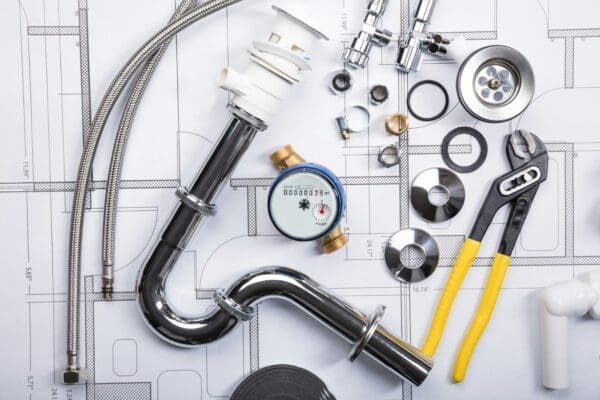
Most of us take clean running water for granted — turn the tap, and there it is. But few realize just how easily that clean water can become contaminated without proper backflow prevention.
Backflow is one of those household terms that sounds technical but affects everyone, from families with backyard sprinklers to entire neighborhoods with shared supply lines. And when it’s not properly managed, the consequences can be more than just unpleasant — they can be dangerous.
Let’s break down why backflow prevention isn’t just another plumbing detail, but a cornerstone of sustainable and safe water systems.
What Backflow Means and Why It’s a Real Concern
Think of your home’s water system as a one-way street. Clean water flows in, gets used, and then drains away — simple, right?
But sometimes, pressure changes in the system cause that flow to reverse. When this happens, dirty water, chemicals, or even fertilizers can flow backward into your clean water supply. That’s what we call backflow.
Common causes include:
- Pressure drops during heavy water use, such as firefighting or mainline breaks.
- Cross-connections are like a garden hose submerged in a bucket of soapy water.
- Pump malfunctions or improper irrigation setups that disrupt normal flow.
The result? Contaminated drinking water — often with no visible sign that something’s wrong. That’s why cities and responsible homeowners install backflow prevention devices to protect the integrity of their water systems.
The Role of Backflow Systems in Everyday Water Safety
A backflow prevention system is like a one-way valve — it lets clean water in but stops it from ever flowing backward. It’s an invisible safety measure that ensures every tap in your home delivers water you can trust.
There are a few types of backflow preventers, such as double-check valves and reduced-pressure zone assemblies, but the goal is always the same: to separate clean water from potential contaminants.
These systems are especially critical for:
- Homes with irrigation systems or pools.
- Multi-unit buildings and commercial complexes.
- Areas with fluctuating water pressure or aging infrastructure.
For proper safety and compliance, many homeowners schedule professional backflow installation and testing through trusted local experts like WM Plumbing Inc. They ensure the system is correctly fitted, pressure-tested, and meets local regulatory standards — something that’s easy to overlook but vital for long-term reliability.
Why Clean Water Protection Is Part of Sustainability
When we talk about sustainable homes, water conservation usually takes center stage — low-flow fixtures, efficient irrigation, maybe even rainwater harvesting. But water protection is just as essential as conservation.
Backflow prevention plays a quiet yet powerful role in that equation. Here’s how:
- Prevents water waste: Contaminated systems often need to be flushed and sanitized, wasting hundreds of gallons of water.
- Protects natural resources: Prevents harmful chemicals, fertilizers, and bacteria from re-entering local water supplies.
- Reduces long-term costs: Avoids costly cleanups and plumbing replacements caused by contamination events.
A single backflow issue can set sustainability efforts back years, especially when it leads to chemical leaks or public water contamination.
So while it may not be the flashiest green upgrade, a well-maintained backflow prevention system is one of the smartest eco-investments a homeowner can make.
Warning Signs Your Water System Needs a Check-Up
Backflow problems rarely announce themselves. The water still runs, the pressure feels fine — until it’s too late. That’s why regular testing is key. Still, there are a few subtle warning signs that can indicate trouble brewing in your plumbing:
- Water that looks cloudy or has a strange taste or odor.
- Sudden drops in pressure when using multiple fixtures.
- Irrigation systems connected directly to household lines without visible backflow devices.
- Older homes that haven’t had a plumbing inspection in years.
If any of these sound familiar, it’s worth calling a professional for a quick backflow test. In most areas, local regulations even require testing once a year for compliance.
Why You Shouldn’t Try Backflow Installation Yourself
You might think installing a backflow preventer sounds like a quick weekend project — it’s not. Proper installation requires:
- Understanding local plumbing codes and municipal requirements.
- Testing equipment for correct pressure regulation.
- Correct placement to ensure maximum protection.
A small mistake could cause leaks, false readings, or complete failure of the device. That’s why certified plumbers and licensed technicians are non-negotiable when it comes to backflow systems.
Not only do they ensure accurate installation, but they also handle the testing and documentation often required by city water departments — so your home remains compliant and safe.
Simple Tips to Maintain Your Backflow Prevention System
Once installed, backflow systems don’t require daily attention — but they do need routine checkups.
Here’s a simple homeowner checklist:
- Test annually with a licensed professional (many states require this).
- Inspect visible connections for leaks or corrosion.
- Schedule replacements every few years, depending on the device type.
- Log maintenance dates for easy tracking — most municipalities ask for proof of testing.
This minimal upkeep goes a long way in keeping your home’s water clean, compliant, and sustainable year after year.
Final Thoughts
A sustainable home goes beyond saving water; it focuses on protecting it. Backflow prevention ensures that every drop from your tap stays pure and safe. This upgrade might be unseen, but you’ll appreciate it daily. With experts like WM Plumbing Inc., your backflow system becomes a commitment to health, safety, and environmental responsibility. True sustainability is not just about conservation; it’s about keeping water clean for future generations.