Wellness & Athletic Prowess – Finding the Right Nutritional Balance As Female Athletes
Nutrition plays a critical role in the performance and health of athletes. Understanding and meeting nutritional needs can enhance athletic performance, aid in recovery, and maintain overall well-being. However, finding the right balance of nutrients can be challenging, especially for female athletes.
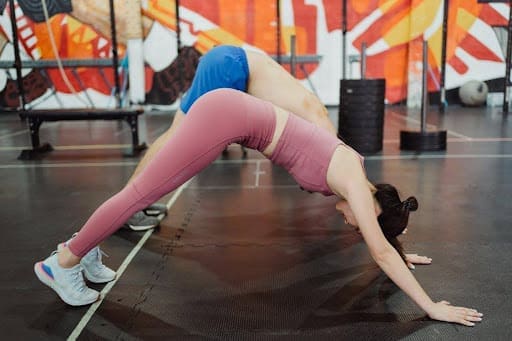
The fact that every athlete’s body is unique, it requires a tailored approach to nutritional balance for wellness and performance. Whether you’re a seasoned athlete or just starting your fitness journey, understanding and applying these nutritional principles can help you reach your full potential and maintain peak performance.
In this blog, we will explore the essential components of a balanced diet for female athletes. We will also be offering practical tips and insights to help you achieve optimal performance and wellness. So, let’s jump in!
Understanding the Nutritional Needs of Female Athletes
Female athletes have specific nutritional requirements that differ from those of non-athletes and even male athletes. These needs are driven by factors such as:
- Intensity of Training
- Body Composition
- Hormonal Differences
- Age of the Athletes, etc.
Macronutrients, such as carbohydrates, proteins, and fats, provide the energy necessary for physical activity and recovery. Micronutrients, including vitamins and minerals, support various bodily functions essential for athletic performance.
Adding Supplements to the Diet for Balanced Nutrition
Meeting nutritional needs through supplements can be beneficial, especially when dietary intake falls short. Supplements like protein powders, multivitamins, and specific minerals such as iron and calcium can help bridge nutritional gaps.
There are several essential nutrients that often get overlooked which can be made up for with the help of supplements. If you feel like you need better muscle performance, or are looking to build lean muscle mass, all the while ensuring the right amount of cellular energy production, look up Thorne Creatine Monohydrate on Google. You’ll find the leading NSF-certified creatine monohydrate supplement from the reliable brand Thorne. This supplement effectively provides cellular energy for intense exercise, physical endurance, and muscle strength.
However, it’s essential to use supplements wisely and consult with a healthcare professional to ensure they are necessary and beneficial for your specific needs.
Proven Food Sources for Nutritional Balance & Wellness
Apart from the recommended supplements prescribed by your healthcare specialists, here are some important food sources that female athletes need to take into account:
Carbohydrates: The Primary Energy Source
Carbohydrates are the body’s preferred energy source, especially during high-intensity exercises. They are stored in the muscles and liver as glycogen, which is readily converted to glucose to fuel physical activity. Consuming sufficient carbohydrates helps maintain glycogen stores, preventing fatigue and sustaining performance.
There are two types of carbohydrates: simple and complex. Simple carbohydrates provide a quick energy boost when consumed and are found in foods like:
- Fruits
- Yogurt
- Juices
- Soda and Drinks
- Candy
- Baked Goods, etc.
Complex carbohydrates are digested slowly, provide sustained energy, and are found in:
- Whole Grains
- Vegetables
- Fruits
- Legumes
- Oats
- Lentils
- Beans
- Rice, etc.
Female athletes should focus on consuming complex carbohydrates to maintain steady energy levels throughout their training and competitions.
Protein: Building and Repairing Muscles
Protein is an essential nutrient for muscle repair and growth. During exercise, muscles experience small tears, which need to be repaired to become stronger. Protein provides the building blocks, or amino acids, necessary for this repair process. The amount of protein needed varies based on the athlete’s training intensity and body weight, but a general guideline is 1.2 to 2.0 grams of protein per kilogram of body weight per day.
High-quality protein sources include:
- Lean Meats
- Poultry
- Fish
- Eggs
- Dairy Products
- Beans
- Lentils
- Tofu
- Nuts, etc.
Incorporating a variety of protein sources ensures that the body receives all essential amino acids. Consuming protein-rich foods such as creatine and monohydrates after a workout can enhance muscle recovery and growth.
Fats: Essential for Health and Performance
Healthy fats are crucial components for female athletes as they:
- Provide a concentrated source of energy
- Support cell structure
- Aid in the absorption of fat-soluble vitamins (A, D, E, and K)
Fats also play a role in hormone production, which is particularly important for female athletes. There are different types of fat, namely saturated, unsaturated, and trans fats.
Unsaturated fats are healthy fats found in foods like:
- Avocados
- Nuts
- Seeds
- Olive Oil, etc.
Saturated fats should be consumed in moderation and are found in:
- Animal Products
- Processed Foods
- Dairy Products, etc.
While applicable to everyone, female athletes should specifically avoid consuming trans fats found in deep-fried foods as they negatively impact health.
Micronutrients: The Small Yet Mighty Components
Micronutrients, including vitamins and minerals, play crucial roles in the body, affecting everything from energy production to bone health. While they are needed in smaller amounts compared to macronutrients, their impact on athletic performance and overall health is significant.
Key micronutrients for female athletes include:
- Iron
- Calcium
- Vitamin D, etc.
Iron is vital for oxygen transport in the blood, and deficiency can lead to fatigue and impaired performance. Female athletes, particularly those with heavy menstrual cycles, are at higher risk for iron deficiency. Calcium supports bone structure and muscle function, while vitamin D aids in calcium absorption and plays a role in immune function.
Pre & Post Workout Nutrition
Eating the right foods before a workout can enhance performance and endurance. A balanced pre-workout meal should include carbohydrates for energy and a moderate amount of protein for muscle support.
On the other hand, nutrition after a workout is crucial for recovery and muscle repair. The goal is to replenish glycogen stores, repair muscle tissue, and rehydrate. Consuming a combination of carbohydrates and protein within 30 minutes to two hours after exercise can optimize recovery.
Managing Special Dietary Needs
Female athletes with special dietary needs, such as vegetarian, vegan, or gluten-free diets, can still meet their nutritional requirements with careful planning. It is important to focus on nutrient-dense foods and consider supplementations rich in creatine, monohydrates, and amino acids such as the Thorne Creatine Monohydrate.
For vegetarians and vegans, plant-based protein sources like beans, lentils, tofu, tempeh, and quinoa can provide the necessary protein. Iron, calcium, and vitamin B12 are nutrients of concern for vegetarians and vegans, so incorporating fortified foods or supplements can help meet these needs.
The Bottomline
Finding the right nutritional balance as a female athlete involves understanding and meeting your body’s unique needs. From macronutrients to micronutrients, hydration, and special dietary considerations, each aspect of your diet plays a role in your athletic performance and overall health. By listening to your body and making informed dietary choices rich in creatine and monohydrates, you can enhance your athletic prowess and achieve your wellness goals.
Lastly, consulting with a nutrition expert can further tailor your diet to suit your individual needs, ensuring you perform at your best in every aspect of your athletic journey.