Tips for Preventing and Solving Everyday Plumbing Issues at Home

Maintaining a well-functioning plumbing system is one of the most critical responsibilities for homeowners, as it directly impacts daily comfort, efficiency, and the long-term value of their property. A healthy plumbing system supports everything from hygiene and cooking to heating and cleaning, making proactive care indispensable. By staying on top of routine inspections and addressing minor issues promptly, homeowners can avoid both the inconvenience and expense of major plumbing disasters. Understanding how to identify, prevent, and resolve the most common household plumbing issues is crucial for maintaining a safe, efficient, and comfortable home year-round.
Leaky Faucets
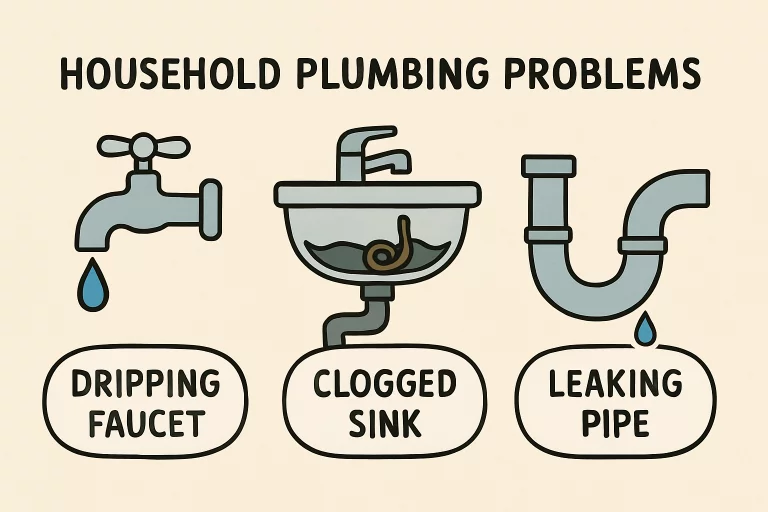
Leaky faucets are one of the most frequent plumbing issues homeowners face, often dismissed as minor annoyances. However, even a slow drip can waste several gallons of water over time, resulting in increased utility bills and environmental concerns. These leaks typically stem from worn-out internal parts, such as washers, O-rings, or seals, which degrade with age and use. As minerals accumulate and components weaken, the constant dripping can cause stains, encourage mold growth, and damage nearby fixtures or countertops. If left unattended, the damage can worsen, making a simple repair job much more costly. In cities like Denver, homeowners can turn to Affordable Plumbing in Denver for prompt, cost-effective solutions before small leaks become bigger problems.
Check your home’s faucets regularly for any leaks or dampness near the handles and spouts. Addressing a minor issue early can help avoid more serious repairs later. Replacing faulty washers, seals, or O-rings is typically an affordable and manageable task with basic tools. Ensure you avoid over-tightening the faucet handles, as this can wear out the internal components faster. Preventive maintenance and occasional cleaning can also reduce mineral buildup. By staying proactive, you can extend the life of your faucets and conserve water.
Clogged Drains
Drain clogs are a frequent nuisance in kitchens, bathrooms, and laundry rooms, often disrupting daily routines. They are typically caused by hair, soap scum, food particles, grease, or even foreign objects blocking the water flow. Kitchen drains often become clogged due to improper disposal of oils and food waste, while bathroom drains are more prone to hair and product buildup. Left unchecked, slow drainage can lead to unpleasant smells, backflow, and even water damage. Severe clogs may require professional intervention, such as snaking or replacing the pipe. As outlined in HowStuffWorks, understanding how to safely and effectively clear a drain can save time, money, and stress in the long run.
Install mesh strainers or drain guards in sinks, tubs, and showers to trap hair, food, and debris before it enters your pipes. Avoid dumping grease, oils, or coffee grounds down the kitchen sink, as they can solidify and clog pipes. Instead, let the grease cool and discard it in a container for disposal. Each month, consider flushing your drains with a mixture of baking soda and vinegar, followed by hot water, to clear any minor residue. This chemical-free solution helps maintain cleaner pipes and minimize odors. Being mindful of what goes down your drains can significantly reduce the chances of clogs.
Running Toilets
Toilets that continuously run are more than just irritating—they can waste hundreds of gallons of water every day. Common culprits include faulty flapper valves, poorly adjusted floats, or fill tubes that aren’t working correctly. These parts can wear out over time or become misaligned, disrupting the seal between the tank and bowl. This causes water to flow continuously from the tank, silently increasing your utility bill. Beyond cost, continuous operation can also lead to mineral buildup and internal damage. The longer the issue goes unchecked, the more extensive the repair could become.
Inspect the flapper valve inside the tank regularly for warping, wear, or improper sealing. Replace it immediately if it no longer forms a tight seal. Adjust the float to ensure the water level inside the tank is neither too high nor too low, as this can impact flushing efficiency. Check the fill tube to confirm it’s clipped properly above the overflow pipe and functioning correctly. Periodic maintenance of these components can keep your toilet in top shape and reduce the risk of wasteful running. Following the manufacturer’s guidelines helps you keep everything working efficiently and avoid bigger plumbing headaches.
Water Heater Issues
Hot water is essential for daily tasks like bathing, laundry, and washing dishes. A failing water heater quickly makes its absence known through cold showers and slow heating. Common symptoms include reduced hot water pressure, odd noises due to sediment buildup, and longer heat-up times. Sediment from hard water often collects at the bottom of the tank, insulating the heating element and forcing it to work harder. Over time, this not only reduces efficiency but also shortens the unit’s lifespan, especially if the anode rod is neglected. Left unchecked, these issues can lead to higher utility bills and unexpected breakdowns.
To maintain efficiency, flush the water heater annually to clear out sediment buildup. Inspect the anode rod every year, replacing it if it’s heavily corroded to prevent internal rusting. This small maintenance step significantly extends your unit’s lifespan. Regular professional servicing ensures the early detection of issues before they become costly. Keeping up with maintenance helps retain performance and avoid disruptive failures. A little attention each year can save you from losing hot water when you need it most.
Burst Pipes
Burst pipes are one of the most damaging plumbing emergencies, especially during freezing weather. When water inside a pipe freezes, it expands, potentially causing the pipe to crack or explode. Older pipes or those with high water pressure are also at risk of rupturing without warning. A burst pipe can release hundreds of gallons of water, soaking floors, walls, and personal belongings. If not addressed promptly, the water damage can lead to mold growth and costly structural repairs. Prevention and vigilance are critical to avoid such disasters.
Insulate exposed pipes in vulnerable areas, such as attics, basements, and garages, to protect against cold weather. During winter, maintain a consistent temperature in your home, even when you’re away. Leave cabinet doors open under sinks to allow warm air to circulate the plumbing. Frequently inspect pipes for signs of rust, minor leaks, or wear, and replace weakened sections promptly. Installing an innovative water sensor system can also provide early detection of leaks. Prevention efforts may cost a little now, but they can save you thousands in the long run.
Sewer Line Blockages
Sewer line blockages and sump pump failures can cause serious health, sanitation, and property issues. Sewer problems often manifest as slow drains, unpleasant odors, or backups, with tree roots and non-flushable items being common culprits. According to The Spruce, early warning signs of a clogged sewer drain include gurgling sounds from drains, water backing up in toilets or tubs, and multiple fixtures draining slowly. Fixing major blockages can be costly, but preventive measures—such as avoiding root-heavy tree planting, proper waste disposal, and regular inspections—help keep the system running smoothly. Similarly, sump pumps play a critical role in preventing basement flooding. Failures usually result from neglect, power outages, or clogs, leaving homes vulnerable during storms. Regular maintenance ensures that these systems function properly when needed, especially in flood-prone areas. Staying proactive reduces the risk of major disruptions and expenses.
Prevention and Fixes
Test your sump pump quarterly by adding water to the pit to ensure it activates properly. Keep the sump basin clean and free of debris that could block the pump or float switch. Install a battery backup or generator to keep your pump running during power outages. Regularly inspect the discharge pipe to confirm that water flows away from your foundation. Consider upgrading to an innovative sump pump with alerts for added peace of mind. With routine maintenance, your sump pump can reliably protect your home for years to come.