The Joy of Growing Up With a Dog: Life Lessons Kids Learn From Pets

A dog is not just a pet to families, and becomes part of their life. They are a companion in childhood, a silent listener that cannot judge you, and a good friend that will be with you all through during one growing-up phase. Dogs play an influential role in the childhood of a kid. Immediately after being added to his backyard adventure, up to the quiet after a tough day at school.
Other than the tail-wagging happiness and playfulness, the experience of having a pup grow up can offer valuable life lessons that stay with children, even when they are already adults. This type of everyday interaction assists the kids in developing empathy, patience, responsibility, and confidence.
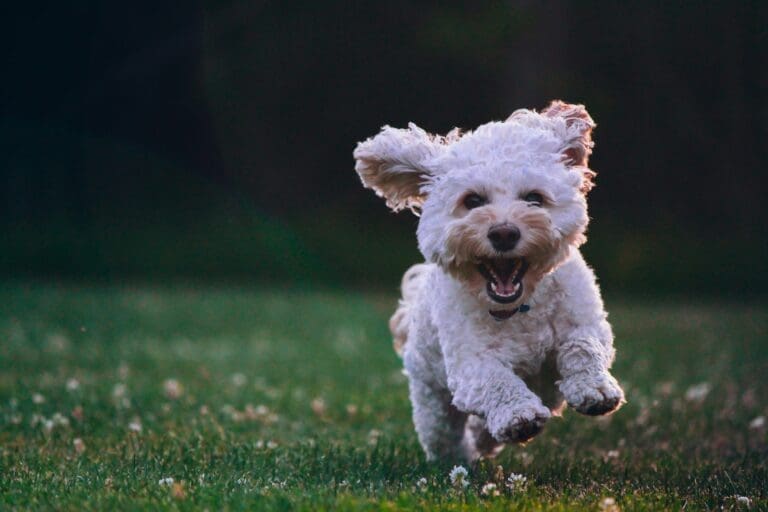
Talking about family-friendly breeds, Cockapoo pups are known for their surface-playful and docile nature, with a strong emphasis on the valuable friendship between Cockapoo puppies and children. We will next examine two of the lessons that children will acquire as they grow up with a four-legged companion.
Life Lessons Kids Learn From Growing Up With a Dog
There is no better love and entertainment than shared childhood experiences with pets. This kind of life lessons is never elaborated on formally because they are inculcated through experiential learning.
Responsibility Becomes a Daily Practice
Raising a dog, particularly breeds such as a Bichon Frise, will provide children with absolute, unwavering commitment that directly affects the welfare of others. Regular exercise, feeding habits, and grooming can also help turn the responsibility into a meaningful commitment.
This sort of consistency will educate their children regarding:
- Regular care routines
- Individual responsibility abilities
- Habits for time management
- Follow-through discipline
Pay attention to the common care habits, and children will begin to understand the idea of reliability, realize that their actions directly influence the comfort of their dog, its health, and its happiness.
Empathy Develops Through Observation
Dogs tend to express themselves by means of movement, posture, and behavioral changes rather than using language. Children begin to learn how to read the subtle signals that enhance their capacity to recognize and react responsively to the emotional conditions of others, in addition to their own.
Through increased focus, kids can develop:
- Emotional intelligence skills
- Perception of nonverbal communication
- Caring, responsive practices
- Skills with regard to assuming an attitude
These common practices will initiate the empathy of intuition and fresh sensitivity that will transfer to friendships, classrooms, and the rest of the societal relationships.
Unconditional Love Builds Emotional Security
Dogs offer consistent love that is unaffected by academic success, taking a social stand, or any mistakes. Such a strong emotional presence builds mental safety and reinforces an intrinsic sense of worth in a kid.
Such a relationship can be used to strengthen:
- Stable emotional attachment
- Increased self-confidence
- Stress relief support
- Nonjudgmental companionship
One will be able to become stronger through the experience of unconditional acceptance. It provides children with a good emotional foundation in the critical developmental stages.
Patience and Training Encourage Persistence
Training contains uniformity, repetition, lucidity, and composure reinforcement. Kids gain a lot of knowledge about behavioral change and how it can change over time, and that hard work can lead to progress, however slowly.
This process assists in developing:
- An attitude of postponed pleasure
- Calm habits on persistence
- Open communication expertise
- Meeting emotional controls
Being observant of great improvement through practice strengthens discipline and perseverance. These competencies are transferred to their academic and other personal endeavors.
Physical Activity Becomes Habitual
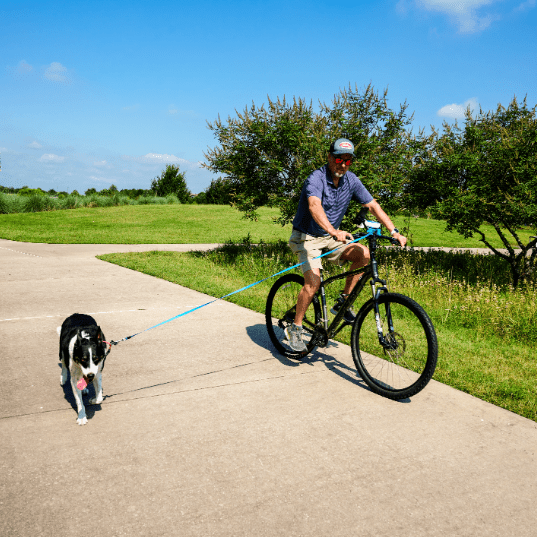
Dogs thrive on regular movement or activities. Embedding exercises, not forcefully into their daily lives, proves highly effective. Play sessions, walks, and outdoor exploration build a structured physical engagement routine within the family.
This sort of active lifestyle can help in supporting:
- Persistent routines in outdoor activities
- Enhanced physical health
- Less sedentary time
- Regular movement or physical habits
Consistency in physical interactions helps in building overall well-being, besides reinforcing the sustained value of active or engaged living.
Coping With Loss Builds Emotional Maturity
Dogs have shorter lifespans, and kids are prone to grief under that context of family support and love. Although this is tough, such an experience builds emotional growth and knowledge about the natural life cycles.
Such tough lessons help in teaching:
- Healthier grieving processes
- Skills in emotional expression
- Accepting change
- Developing resilience
Processing loss over guidance can help in building emotional maturity. This prepares kids to deal with their future challenges with strength and compassion.
Social Skills Improve Through Shared Connection
Dogs process and invite conversations besides shared attention across social settings. They help in building low-pressure possibilities for interactions across neighborhood walks or parks.
Such sort of shared experiences help kids to build:
- Their confidence in conversation
- Opportunities for community engagement
- Sharing cooperative responsibility
- Enhanced social comfort
Building social interactions centered around their pets can build communication skills while deepening the sense of belonging of kids in their communities.
Learning About Boundaries and Respect
Kids slowly learn that their dogs communicate through body language as well as behavior. Finding out when a pup needs space or attention can help children identify their boundaries and know that respect is valued in relationships.
Such types of early experiences will teach a few essential social awareness through:
- Reading through body signals
- Respecting one’s personal space
- Building gentle interactive habits
- Knowing about an animal’s needs
Knowing about these boundaries helps kids develop their patience, respect, and emotional awareness. So, with passing time, such habits have a direct impact on kids in how they will treat their friends, family members, and classmates.
Understanding Life and Loss
Growing up alongside a dog at times will introduce children to the different realities of loss and aging. Although this appears challenging, such a type of experience helps kids know about the natural life cycles and the essence of caring for relationships.
Such type of moments consist of meaningful lessons like:
- Identifying life stages
- Accepting the natural changes
- Safer expression of grief
- Appreciating the shared time
This sort of supportive guidance from parents helps kids to learn about processing grief, besides recalling their joyful moments of life. Such experiences can help in building strength, gratitude, and an in-depth appreciation for relationships.
Conclusion
Childhood memories of the dog one grew up with are still alive to many, even in adulthood. Dogs are known to celebrate major accomplishments, be they early years at school or leisure trips as a family, and camping.
Dogs are close to childhood memories since they are in the context of both happy and difficult times. The loyalty and affection they offer form an emotional bond that children do not easily forget.
These experiences not only define how children perceive animals but also affect how they treat relationships, care, and compassion in life.
Author Bio
Montana Mackovic leads Happytail Puppies, a family-owned business in Oak Ridge, North Carolina, dedicated to connecting families with healthy, well-socialized puppies. Since 2005, the company has been committed to ethical breeding practices, ensuring each puppy is raised in a loving environment and matched with the right home.