The Best Add-On Destinations for a Dubrovnik Holiday When You Have Three Extra Days
Dubrovnik is the kind of city that earns its own trip. The walls, the old town, the cable car view at dusk, the evening light on the Stradun, it holds attention without effort. Most people give it two or three days and feel they’ve used them well.
Then there are the people who look at the map and notice how much is within reach, and decide to keep going.
Three extra days changes a Dubrovnik holiday from a city break into something more regional. Here is where those days are best spent.
Why Dubrovnik Makes Such a Good Base
Dubrovnik recorded 4,555,636 overnight stays and 1,397,052 arrivals in 2024, making it the most visited destination in Croatia by the number of overnight stays, according to the Croatian National Tourist Board’s official figures reported through the eVisitor system. The infrastructure that serves those numbers, the connections, the accommodation options, the organized day trips, is also what makes the city an unusually practical regional hub. Getting out of Dubrovnik, and back into it, is generally straightforward.
The airport has direct connections from across Europe. The ferry port connects to the islands. The road south reaches Montenegro within two hours depending on traffic and border conditions. North along the coast, Split is four hours. The geography sets up well for extension trips in almost any direction.
Montenegro: The Extension That Changes Everything
Montenegro is the extension that changes the character of the trip most. The Bay of Kotor is close enough to make a realistic extension from Dubrovnik, though border timing matters in summer, and it feels like a different century once you arrive, with fortified towns wedged between the mountains and the water. Kotor and Perast top the Montenegro places worth adding to a Dubrovnik stay, while Budva and Sveti Stefan suit travelers who want beach time built into the extra days.
The Elaphiti Islands: The Day That Doesn’t Feel Like a Day Trip
The Elaphiti Islands sit northwest of Dubrovnik and feel substantially further than the ferry times suggest. Šipan, Lopud, and Kolo?ep are three small islands where cars are either rare or absent entirely, the pace drops almost immediately on arrival, and the swimming spots are the kind that don’t appear on phone screens.
Lopud is the most commonly visited: a single seafront village, an excellent beach at Šunj on the far side of the island, and a network of paths through old gardens and olive groves that reward an afternoon of unhurried walking. Šipan is quieter still, with two villages on opposite ends of the island connected by a road that sees almost no traffic.
An early ferry from Dubrovnik’s old port, a full day across one or two islands, and an evening return gives the Elaphitis their due without requiring an overnight stay. Taking one anyway, at the handful of guesthouses on Lopud or Šipan, changes the experience considerably.
Mostar: The City That Earns the Drive
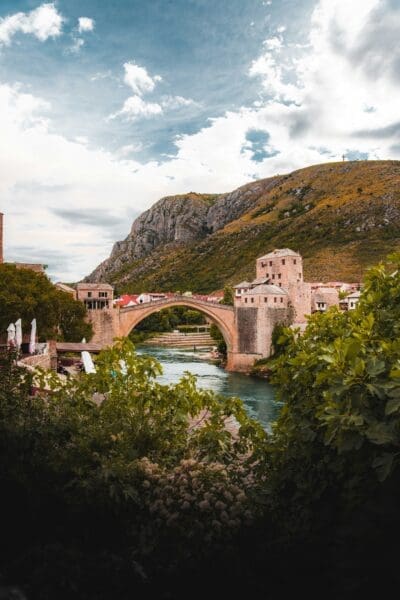
About two and a half hours from Dubrovnik, Mostar offers a rewarding day trip with a rich mix of history, culture, and local traditions.
- Walk across the iconic Stari Most bridge.
- Browse the historic bazaar’s cafés, craft shops, and markets.
- Visit the Koski Mehmed Pasha Mosque for panoramic views.
- Watch the famous bridge divers continue a centuries-old tradition.
Beyond its famous landmarks, Mostar is a city best enjoyed at a relaxed pace. Stop for a traditional Bosnian coffee, wander the stone streets on both sides of the Neretva River, and take in the blend of Ottoman and European influences that define the city’s character. The welcoming atmosphere and compact historic center make it easy to explore in a single day without feeling rushed.
For travelers looking to add more cultural variety to a Croatia itinerary, Mostar delivers an experience that feels distinct from the Adriatic coast. Its history, architecture, and local traditions make the journey worthwhile, leaving many visitors wishing they had planned a little more time to explore.
Mljet: The National Park That Most Visitors Miss
Mljet is the island most frequently recommended by people who have actually been there. A national park covers the western third of the island, centred on two interconnected saltwater lakes where the water is clear enough to see the bottom at considerable depth. In the middle of the larger lake, on a small island, is a twelfth-century Benedictine monastery that still functions.
It is not a day trip in the conventional sense, Mljet is best with at least one night, which allows a full day in the national park followed by an early morning on the island before the day-trippers from the catamaran arrive. Those extra hours are the difference between the island at its best and the island as a set piece.
The catamaran from Dubrovnik takes about an hour and a half. Accommodation on the island is limited and books ahead in summer, which makes it worth planning rather than deciding on a whim.
Split: Worth the Journey If You Have the Time
Split is four hours north of Dubrovnik, which puts it at the edge of what qualifies as a day trip and firmly within what works as an overnight extension. Diocletian’s Palace, the Roman emperor’s retirement complex that became a city, is the reason to go, not because it’s a ruin to walk through, but because people still live inside it. Restaurants, bars, apartments, a cathedral built into a mausoleum: the palace is inhabited in a way that Rome’s ancient sites are not.
Split pairs well with Hvar if the three extra days allow for it. The fast ferry between the two is under an hour, and the two places offer genuinely different experiences, Split’s urban energy against Hvar’s combination of Venetian architecture, vineyards, and the Pakleni Islands accessible by water taxi.
Conclusion
Three extra days beyond Dubrovnik does not mean exhausting yourself across the region. It means choosing one or two of these directions and giving them the time they actually need rather than the minimum.
Montenegro for a different century. The Elaphitis for the slow version of the sea. Mostar for the Balkans without the long drive. Mljet for the island that most people on a Dubrovnik trip never find. Any one of them makes the holiday something more than Dubrovnik alone, which is already quite a lot.