The Art of Luxury Perfume Craftsmanship: A Journey Through Time and Innovation

The world of luxury perfume is a finely detailed tapestry, blending centuries of culture, artistic sensibility, and scientific skill into truly unforgettable scents. Each bottle is a result of experienced perfumers, rare and carefully harvested ingredients, and uncompromising attention to detail, making these fragrances distinctive and desirable. Within this world, luxury perfumes represents a remarkable intersection of heritage and innovation, offering a window into a realm where every aroma narrates a unique story.
Luxury perfumery stands apart because it captures more than a pleasing scent. The process weaves together the expertise of generations who have perfected aroma extraction, blending, and bottling. Only a handful of ingredients, often sourced from distant lands or requiring delicate handling, find their way into these fine creations. As a result, the essence of luxury lies not just in the finished product, but in the passion, patience, and artistry behind every bottle.
It is not uncommon for a single fragrance to take several months or even years to perfect. This pursuit of olfactory excellence ensures depth, complexity, and refinement that mass-produced products rarely achieve. The history and tradition embedded in this process help bestow a sense of meaning and authenticity upon every luxurious perfume.
At the same time, the global demand for ethical products is influencing leading luxury brands to innovate responsibly while remaining true to their distinctive identities and heritage.
The Evolution of Perfumery Techniques
The art of perfumery boasts an ancient lineage that traces back to the earliest civilizations, where aromatic oils and balms played spiritual and aesthetic roles. Over the centuries, skilled perfumers devised methods to extract essential oils from flowers, woods, spices, and resins, including enfleurage and steam distillation. The core value of craftsmanship remained at the forefront, highlighting the importance of hands-on expertise and the stories behind each blend. As chemistry advanced, the introduction of synthetic compounds expanded the perfumer’s palette, giving rise to formally structured fragrances with complex layers and longevity.
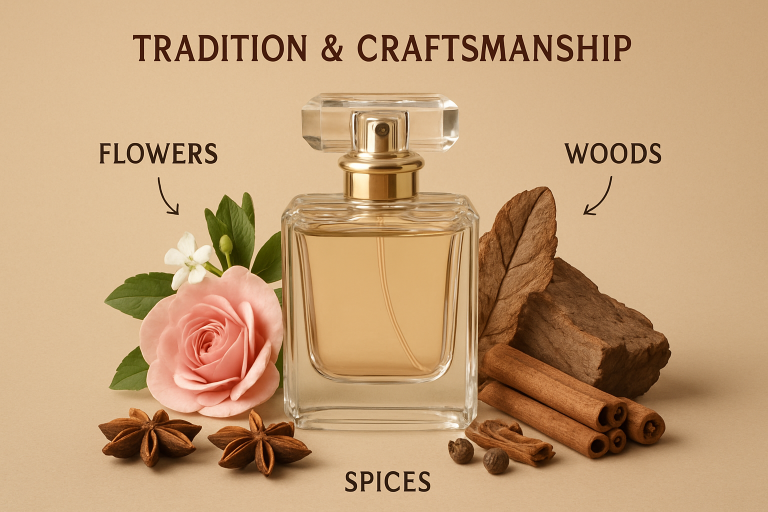
Despite technological advances, the most prestigious luxury brands continue to place a premium on traditional techniques when crafting their signature scents. The use of both natural and synthetic materials allows for more creative freedom while retaining the original spirit of perfumery artistry. These methods ensure that every luxury product serves not only as a fragrance but as a testament to the skill and dedication of its creators.
Sustainability in Modern Perfumery
Environmental consciousness is increasingly shaping luxury fragrance. Many industry leaders, such as Chanel and Dior, have taken proactive steps to support sustainability across every aspect of their production lines. From responsibly sourcing raw materials to deploying biodegradable or recyclable packaging, top-tier brands are reimagining luxury as both beautiful and ethically responsible. Chanel’s commitment to using FSC-certified paperboard and soy-based inks for their Coco Mademoiselle box, which significantly reduces its carbon footprint, is a prominent example of this evolution. Meanwhile, Dior has introduced a strikingly innovative reusable box that can be repurposed, creatively responding to both ecological needs and consumer interest in sustainability.
Consumers have come to expect this holistic responsibility as a cornerstone of modern luxury. The perfume sector is now setting standards that balance exclusivity with environmental stewardship, ensuring that luxury can remain forward-thinking and relevant.
Collaborations Between Luxury Brands and Artisans
Collaboration has become an exciting hallmark of luxury perfume, fostering unique creations that draw on the talents of both established houses and independent artisans. Among the most notable partnerships is that between Loewe and LLADRÓ, which combines architecture, sculpture, and fragrance. Such partnerships not only celebrate handcraftsmanship but also illustrate how the tradition can be infused with new life and symbolism, confirming luxury’s role as a cultural and artistic beacon. These collaborations blur the boundaries between scent, design, and fine art, appealing to consumers who value one-of-a-kind experiences and collectibles.
The Role of Innovation in Perfumery
Innovation is driving the luxury perfume industry in unprecedented directions. Companies like The Estée Lauder Companies invest heavily in advanced technologies to unlock the mysteries of scent more efficiently, as exemplified by their Maison du Parfums innovation center. This facility uses specialized equipment, such as Headspace machines, to capture the purest interpretation of natural aromas, with the ultimate goal of both expediting and enhancing fragrance development. By drawing on both the analytical power of science and the creative spark of artistry, luxury perfumers can accelerate innovation while upholding exceptional standards.
The Significance of Authenticity and Craftsmanship
In an era awash with marketing hype, today’s consumers desire authenticity. Brands like L’Artisan Parfumeur emphasize simplified, honest compositions that reflect the perfumer’s true vision. By resisting the allure of ephemeral trends, these brands reinforce trust and foster a deeper connection with their clientele. Authenticity is not just a trend; it is rapidly becoming the hallmark of modern luxury, reinforcing the idea that a memorable fragrance should encapsulate an emotional journey rather than simply follow fashion.
Emerging Trends in Luxury Perfume Bottles
The vessel that encases luxury perfume has become just as crucial as the liquid within. Artistic, sculptural bottles are increasingly favored, appealing to the eye as much as to one’s sense of smell. Modern designers are pushing boundaries by employing unconventional shapes, such as emerald cuts, and minimalist silhouettes that serve as both art objects and brand statements. Packaging has become a narrative device, reinforcing the fragrance’s identity and inviting continued engagement with its story.
Final Thoughts
Luxury perfume craftsmanship continues to thrive at the crossroads of time-honored tradition and progressive innovation. As the landscape evolves, industry visionaries not only preserve their rich heritage but consistently inject new energy into their creations by embracing sustainability, celebrating collaborations, and leveraging cutting-edge technology. Each meticulously crafted fragrance remains a testament to the timeless desire for quality, beauty, and personal expression, ensuring that luxury perfumes will always hold a unique allure for those who seek authenticity and excellence.