Stay Ahead of Summer: Essential Home Checks Before the Heat Hits

Summer doesn’t usually arrive with a bang—it creeps in. One day, it’s pleasantly warm, and before you know it, the heat is relentless. That’s why it’s smart to act before summer is in full swing. Tackling key home maintenance tasks early, especially during those first few mild days, can save you from discomfort, costly repairs, or energy inefficiencies down the line.
Preparation isn’t just about staying cool; it’s about ensuring your home systems are running safely, efficiently, and economically. Whether it’s your cooling unit, your insulation, or even your sprinkler timer, there’s no better time to get ahead than right now.
In this guide, we walk you through seven must-do checks to help you prep your home and enjoy a stress-free summer—indoors and out.
1. Test and Tune Up Your Air Conditioner
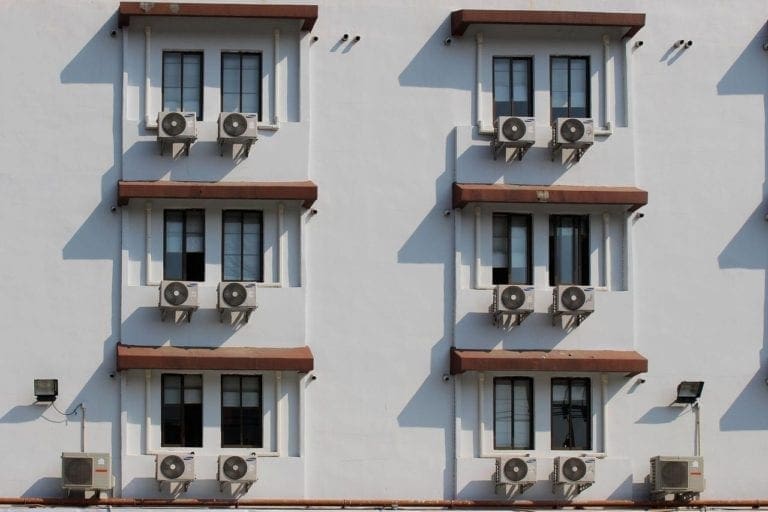
Your air conditioner is about to become your best friend, but only if it’s running properly. Don’t wait for the first sweltering day to switch it on. Instead, turn it on during a mild afternoon and let it run for a while. Listen for strange noises, make sure cool air is flowing from each vent, and check how quickly it reaches your preferred temperature.
The outdoor compressor unit also needs attention. Clear away any dirt, leaves, or weeds crowding the area around it. This helps ensure proper airflow and keeps the system from overheating.
One common issue homeowners encounter is short cycling when the AC turns on and off too frequently. If this happens you might wonder, why is my AC short cycling? It could be due to a number of problems—from a clogged filter or low refrigerant levels to something more serious like an improperly sized system. Either way, it’s best to get it looked at by a top technician before hot weather becomes a daily reality.
2. Check and Clean Your Windows and Screens
Windows play a bigger role in your home’s comfort than many realize. As the days get longer, they let in more light and more heat. Before temperatures climb, inspect each window for cracks, drafts, or worn-out seals. Damaged seals can let hot air in and cool air out, making your cooling system work overtime.
Cleaning your windows isn’t just about aesthetics, either. Removing built-up grime improves the view and allows more natural light to brighten your space. While you’re at it, take out the screens and rinse them with water. Pollen, dust, and bugs tend to settle in the mesh over spring.
3. Clean Ceiling Fans and Check Their Rotation
Ceiling fans are an easy way to stay cool without cranking the AC. But after months of inactivity, their blades are usually dusty and sometimes loose. Dusting them off prevents that fine layer of debris from blowing around your home, which is especially important for allergy sufferers.
Equally important is the direction your fan spins. For summer, fans should rotate counterclockwise to push cool air down and create a wind-chill effect. Most ceiling fans have a simple switch near the motor housing to reverse the direction. Taking a few minutes to check this setting can make a real difference in comfort levels.
4. Examine Windows and Doors for Air Leaks
Even small air leaks around windows and doors can let in warm air and drive up cooling costs. To check for leaks, close your doors and windows and move your hand or a lit incense stick around the edges. If you feel air or see the smoke move erratically, you’ve got a draft.
Luckily, most of these gaps are easy to seal with weather stripping or caulk. Doing so helps maintain a consistent indoor temperature and reduces the burden on your cooling system. It’s one of the simplest and most effective home maintenance steps you can take before the real heat sets in.
5. Check Outdoor Water Systems
As temperatures rise, your yard is going to need more attention, and that starts with your outdoor water systems. Whether you have sprinklers, drip irrigation, or just a few hoses lying around, it’s important to make sure everything is in working order. Turn the water on and walk around your yard. Look for broken sprinkler heads, unusual puddles, or low pressure—all signs something might be clogged or leaking.
Timers and controllers should also be updated to match summer watering needs. Many systems default to spring schedules, which often won’t provide enough coverage in hotter months. This is a good moment to make sure your watering times align with local restrictions and optimal early morning hours to minimize evaporation.
6. Clear Gutters and Downspouts
Summer storms can be quick and heavy, so your gutter system needs to be ready. Clogged gutters don’t just overflow—they can cause damage to your siding, foundation, and landscaping. Before the season ramps up, climb a ladder (safely) and remove any leaves, twigs, or debris that built up during spring.
Downspouts should be clear and positioned to direct water away from your home. If the water pools around your foundation, it could lead to costly issues down the road. While you’re up there, take a look at how well the gutters are attached. Loose sections can become dangerous in a summer thunderstorm.
A clean, functioning gutter system protects your home in ways you might not notice until something goes wrong—so it’s worth the quick cleanup.
7. Prepare Your Grill and Outdoor Living Areas
Let’s not forget how much fun you can have when summer arrives. After all, it’s the prime time for backyard grilling and relaxing outdoors. If your grill has been sitting idle since fall, it needs a deep clean. Scrub the grates, empty the grease tray, and inspect the burners. For gas grills, double-check that connections are tight and that there are no signs of rust or corrosion.
Patio furniture might need a quick wash or wipe down. Look for wear and tear, especially in cushions or frame joints. Check outdoor lighting and replace bulbs if needed. These small updates help turn your outdoor space into a spot you actually want to spend time in as the evenings get longer.
Ready to beat the heat?
Summer should be enjoyable, not stressful. By taking time now to handle these essential home checks, you’ll avoid mid-season mishaps that could derail your comfort or your budget. From your air conditioner to your home’s gutters, every part of your home benefits from a little proactive attention. When the heat does hit full force, you’ll be glad everything is already in place, ready to keep you cool, safe, and fully in summer mode.