Robots to the Rescue: How Automated Material Handling Systems Boost Efficiency
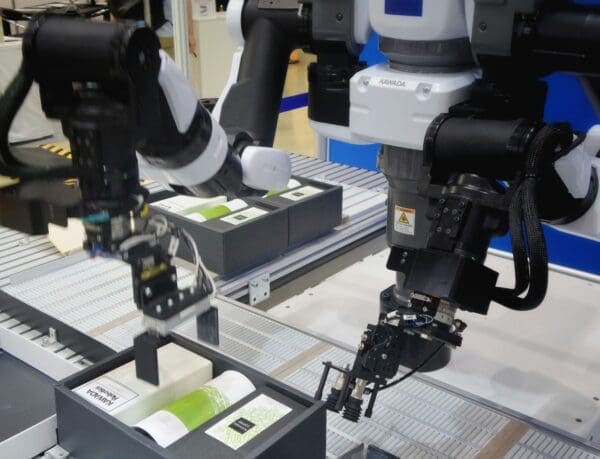
In today’s fast-paced world, efficiency is paramount across industries. Warehouses and manufacturing facilities, in particular, face continuous pressure to optimize operations and meet ever-growing demands.
This is where automated material handling systems come to the rescue. These innovative systems utilize robots, machinery, and software to automate tasks that are usually performed by human workers, transforming the way materials are moved, stored, and retrieved.
Advancements in Material Handling Automation
For decades, manual labor has been the backbone of material handling operations. However, with rising labor costs, the potential for human error, and the need for increased efficiency, automation has emerged as a game-changer. Automated material handling systems offer a multitude of benefits, making them a compelling solution for businesses seeking to streamline their operations.
Advantages of Automated Material Handling System
The advantages of incorporating an automated material handling system are numerous:
- Enhanced Efficiency: Automated systems operate tirelessly, 24/7, significantly increasing throughput and processing speeds. Repetitive tasks such as picking, sorting, and transporting materials are completed with greater accuracy and consistency compared to manual labor.
- Improved Safety: Automating hazardous or physically demanding tasks reduces the risk of workplace injuries. Robots can handle heavy loads or work in confined spaces, keeping human workers safe.
- Reduced Costs: While there is an initial investment in an automated material handling system, the long-term cost savings can be significant. Reduced labor costs, minimized product damage, and improved inventory control contribute to a strong return on investment.
- Increased Scalability: Automated systems are designed to be modular and scalable. Companies can easily expand their systems as their needs grow, accommodating fluctuations in demand without compromising efficiency.
- Improved Inventory Management: Automated systems provide real-time data on inventory levels, allowing for more accurate forecasting and optimized stock management. This lowers the risk of stockouts and overstocking, leading to a more streamlined supply chain.
Types of Automated Material Handling Systems
There’s a wide range of automated material handling systems available, each suited to specific needs. Here are some popular options:
- Automated Storage and Retrieval Systems: The systems utilize computer-controlled cranes to store and retrieve materials from high-bay shelving. It’s ideal for warehouses with limited floor space and high-volume storage requirements.
- Automated Guided Vehicles (AGVs): These self-propelled vehicles navigate warehouses along pre-programmed routes, transporting materials autonomously. AGVs are flexible and can be customized to various layout configurations.
- Automated Mobile Robots (AMRs): Similar to AGVs, AMRs utilize sensors and advanced navigation software to move around warehouses. However, AMRs are more intelligent and can adapt to changes in the environment, making them ideal for dynamic workspaces.
- Industrial Robots: These multi-functional robots can perform various tasks, such as picking and packing items, palletizing goods, or welding components in manufacturing settings. Industrial robots offer high levels of precision and can handle heavy or bulky materials.
Choosing the Right System
Selecting the optimal automated material handling system requires careful consideration of several factors:
- Facility Layout and Size: The system needs to be compatible with the existing layout and accommodate the available space within the facility.
- Material Type and Weight: The system should be able to handle the types and weights of materials typically used in your operations.
- Budget: Initial investment costs and ongoing maintenance expenses need to be factored in.
- Scalability: Consider future growth projections and ensure the system can be expanded to meet future needs.
Future with Automated Material Handling Systems
The future of material handling is undeniably automated. While the first investment may seem daunting, the long-term advantages of automated material handling systems are undeniable. From significant efficiency gains and improved safety to reduced costs and increased scalability, these innovative systems offer a solution for businesses seeking to optimize their operations.
Partnering with reputable brands with expertise in design, installation, and ongoing support is crucial for maximizing the potential of these systems. By working with experienced professionals, businesses can navigate the transition to automation with confidence, ensuring seamless integration and maximizing the return on investment.