Retrofitting Older Homes with Discreet Motorized Enhancements
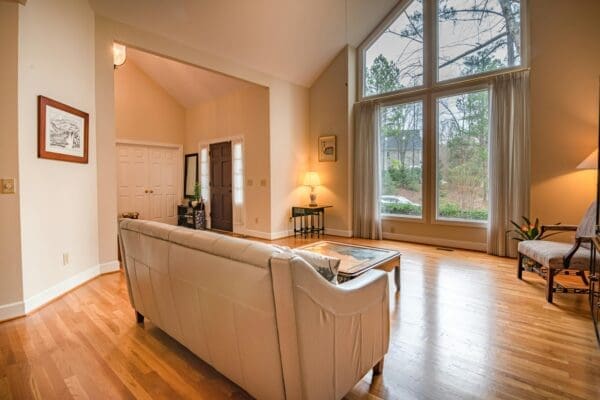
Retrofitting an older home with motorized technology is rarely straightforward because these houses were never designed to accommodate hidden motors, control systems, or layered wiring. They were built around craftsmanship and visible structure, with deep window casings, thick plaster walls, and carefully scaled details that can easily be disrupted by bulky contemporary systems. Introducing automation into this environment requires restraint and precision. It calls for thoughtful placement, careful routing, and respect for the architectural language that already exists.
The most successful upgrades are the ones that leave the original character intact while quietly expanding how the home functions. Rather than announcing their presence, discreet motorized enhancements settle into the structure of the house. The architecture continues to carry visual weight, and the technology works behind it.
Integrating Motorized Window Treatments
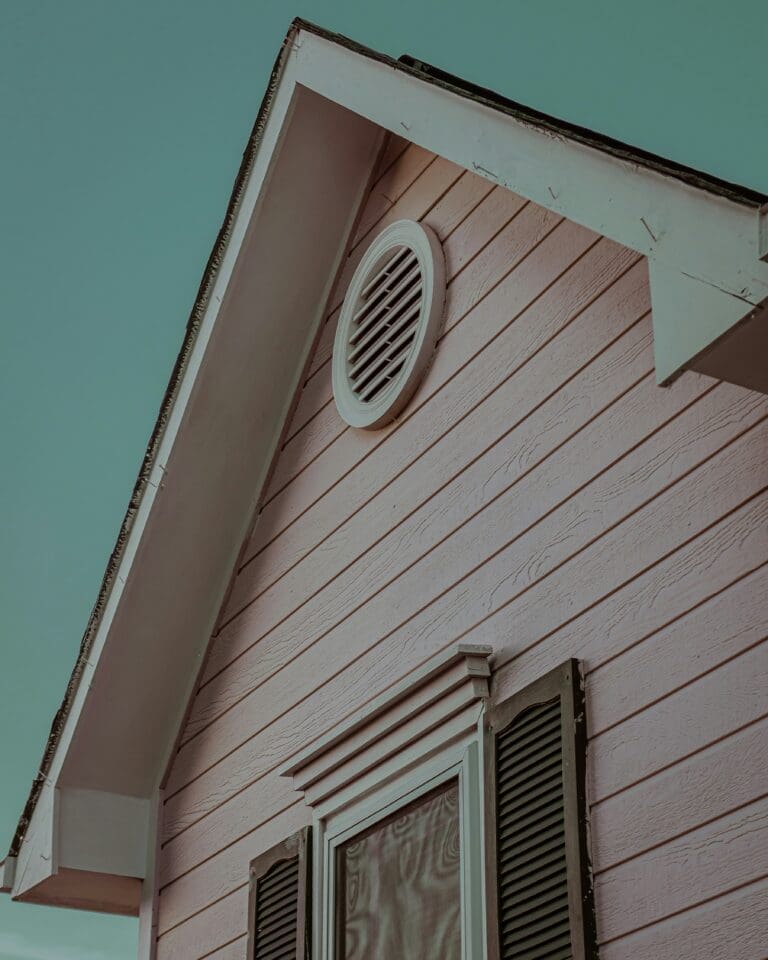
Older homes often feature tall windows, angled gables, and detailed trim profiles that were never meant to accommodate mechanical systems. Adding motorized treatments to these openings requires careful measurement and a willingness to adapt solutions to the architecture rather than forcing standardized hardware into place. Oversized housings and exposed brackets can interrupt sightlines and diminish the layered depth that makes historic windows distinctive.
A more refined approach involves embedding the motorized mechanism within the existing recess of the window or fabricating concealed pockets that preserve the trim’s continuity. In difficult areas such as high gable windows, solutions like gable blinds from Sona provide remote functionality without requiring structural alteration or visible framing adjustments. The emphasis remains on maintaining the proportions of the opening while enhancing accessibility.
Upgrading Manual Skylights
Many older homes include skylights that were either manually operated or fixed in place, limiting ventilation and accessibility. Modernizing these features with motorized controls can easily compromise the roof’s exterior silhouette if handled without care. Replacing entire units often disrupts flashing details, roofing materials, and interior trim that have aged naturally with the structure.
A more sensitive retrofit retains the existing skylight frame and introduces compact motor assemblies within it. Internal actuators allow for remote operation without modifying the visible profile of the roof. Inside the home, trim lines remain consistent with the original finish work. The change is experienced in usability rather than appearance.
Modernizing Original Fireplaces
Fireplaces in older homes often serve as architectural anchors, framed by mantels and masonry that reflect the era in which they were constructed. Adding modern ignition systems must be handled delicately to avoid interrupting those focal points. Surface-mounted switches or contemporary control panels can detract from the authenticity of the surround.
Concealed electric ignition systems allow for updated functionality without altering the visible components of the fireplace. Controls can be integrated discreetly within adjacent cabinetry or hidden compartments, leaving the mantel and hearth visually intact. The experience of lighting the fire becomes streamlined, yet the fireplace continues to serve as a traditional centerpiece.
Concealing Wiring
Motorized enhancements depend on reliable wiring, but exposed conduits or newly cut channels can compromise historic finishes. Many older homes contain wall cavities, attics, and crawl spaces that can be utilized strategically for routing new systems. Careful mapping of these areas allows electricians to introduce wiring without disturbing plaster surfaces or decorative moldings.
By threading cables through existing structural pathways, the home’s surfaces remain visually continuous. Access points are minimized and placed in inconspicuous locations. The result is a fully functional motorized system that does not advertise its presence through visible alterations.
Retrofitting French Doors
French doors are defined by their symmetry and glass panels, often framed by detailed woodwork that contributes to the home’s overall character. Introducing automation into these doors must preserve that balance. External keypad systems or bulky hardware can disrupt the refined proportions that give the doors their elegance.
A more discreet solution involves embedding automated locking mechanisms within the existing door stiles. Compact components operate internally, allowing the original hardware to remain in place or be updated subtly without altering scale. The doors continue to present the same visual presence, yet their security and functionality are elevated through hidden integration.
Retrofitting Garage Doors
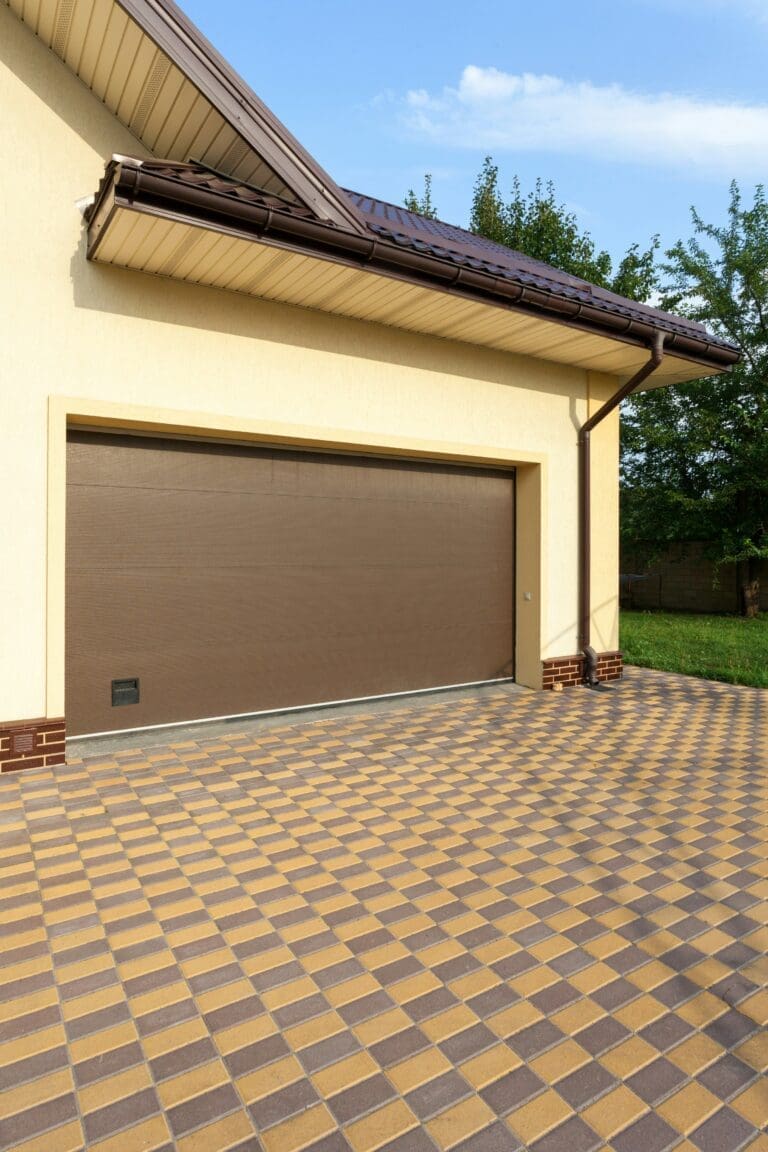
Garage doors on older homes often carry stylistic cues that align with the façade, whether through carriage-style panels, wood cladding, or period-appropriate hardware. Replacing them entirely to accommodate modern motor systems can alter the exterior character in ways that feel disproportionate to the upgrade itself.
Instead, retrofitting the existing door with a quieter, more compact motor system allows the façade to remain visually consistent. The mechanical improvements occur behind the surface, reducing operational noise and improving reliability while preserving original detailing. From the street, nothing appears dramatically altered, yet the daily experience of entering and exiting the home feels significantly refined.
Installing Underfloor Heating Controls
Original hardwood, patterned tile, or stone flooring often carries decades of wear that contribute to a home’s character. Introducing underfloor radiant heating must be handled with sensitivity to these surfaces. Tearing up floors indiscriminately undermines the very quality that makes older homes distinctive.
Modern retrofits can integrate radiant systems from below, accessing subfloor spaces where possible and installing discreet control panels that do not compete with existing wall finishes. Thermostatic controls are positioned carefully to avoid drawing attention, and flooring materials remain visually uninterrupted. The warmth becomes part of the experience of the room, while the floor itself retains its original presence.
Upgrading Staircase Lighting
Staircases in older homes often feature detailed balustrades, carved newel posts, and carefully proportioned risers. Adding visible lighting hardware can interrupt these lines and create visual clutter along one of the home’s most prominent circulation paths.
Embedding motion sensors within trim or beneath stair treads allows lighting to activate automatically without introducing exposed fixtures. Subtle illumination enhances safety while preserving the architectural rhythm of the staircase. The intervention remains nearly invisible during the day, and at night it feels intuitive rather than mechanical.
Embedding Smart Thermostats
Thermostats have become design statements in many modern homes, but in older interiors, a prominent digital interface can feel misplaced against plaster walls or paneled surfaces. Retrofitting requires a balance between functionality and restraint.
Framing smart thermostats within custom wall plates that echo traditional profiles helps them sit more comfortably within historic rooms. Placement is considered carefully to maintain symmetry and avoid disrupting decorative elements. The interface remains accessible, yet visually integrated into the wall rather than floating against it.
Adding Automated Drainage Covers
Courtyards and outdoor patios in older homes often rely on traditional stone or brick paving that has aged naturally over time. Introducing modern drainage systems can disrupt these surfaces if handled without care.
Automated drainage covers can be integrated flush with existing paving patterns, preserving the rhythm of the materials while improving water management. Mechanical components remain concealed beneath the surface, ensuring that the courtyard continues to read as cohesive and period-appropriate. The enhancement is functional, not decorative, and does not compete with the original landscape design.
Retrofitting older homes with motorized enhancements requires restraint and technical precision. Each intervention must respect existing materials, proportions, and craftsmanship while introducing contemporary convenience in ways that do not compete with them.
Similar Posts:
- Exploring the Different Types of Commercial Overhead Doors
- Transform Your Interiors: Custom Door Styles to Suit Every Room
- Innovative Blinds Designs for Customizable Light Control
- The Benefits and Innovations in Motorized Blinds and Home Automation
- Essential Repairs to Make Before Moving Into a New Home