Preventing Chafer Grub Infestations: Tips and Tricks
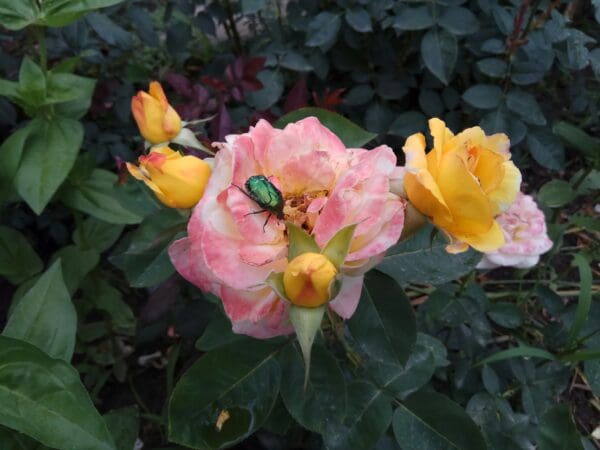
Chafer grubs are a common pest problem for lawns and gardens, causing significant damage by feeding on grass roots and other plant material. These grubs are the larvae of chafer beetles, and an infestation can lead to dead patches of grass and weakened plants. Preventing a chafer grub infestation is crucial for maintaining a healthy, vibrant landscape. In this article, we’ll explore practical tips and tricks to keep these pesky pests at bay.
Understanding Chafer Grubs and Their Impact
Before diving into prevention strategies, it’s essential to understand what chafer grubs are and why they pose a problem. Chafer grubs are the larval stage of chafer beetles, commonly found in many regions. These white, C-shaped larvae live in the soil and feed on the roots of grasses and other plants. The damage they cause can result in brown patches on lawns, stunted plant growth, and even plant death if left unchecked.
Signs of a Chafer Grub Infestation
Early detection is key to preventing severe damage from chafer grubs. Here are some signs that you might have an infestation:
- Patchy Brown Spots: Irregular brown patches on your lawn that don’t recover with watering could indicate grub activity.
- Loose Turf: Grubs feed on roots, causing turf to feel spongy and easy to pull up.
- Increased Wildlife Activity: Birds, badgers, and foxes may dig up your lawn in search of these tasty grubs.
- Poor Plant Health: Weakened, yellowing plants and poor growth can also be signs of root damage caused by grubs.
Preventive Measures to Keep Chafer Grubs Away
The best way to manage chafer grub infestations is through prevention. Here are some effective strategies to protect your lawn and garden:
1. Proper Lawn Maintenance
Maintaining a healthy lawn is one of the best defenses against chafer grubs. A well-maintained lawn with strong roots is less attractive to these pests and can recover more easily from any damage they might cause.
- Regular Mowing: Keep your lawn mown to a recommended height to encourage healthy growth.
- Adequate Watering: Water deeply but infrequently to encourage deep root growth. However, avoid overwatering, as chafer beetles are attracted to moist soils.
- Fertilization: Use appropriate fertilizers to strengthen grass roots and improve overall plant health.
2. Beneficial Nematodes
Beneficial nematodes are microscopic worms that target and kill chafer grubs in the soil. These biological control agents are safe for humans, pets, and other beneficial insects. They can be applied to the soil in early spring or late summer when grubs are most active.
3. Natural Predators
Encouraging natural predators can help keep chafer grub populations under control. Birds, particularly crows and starlings, can consume large numbers of grubs. Installing bird feeders and bird baths can attract these natural predators to your garden.
4. Proper Irrigation Practices
Chafer beetles prefer to lay eggs in moist soil, so it’s essential to manage soil moisture carefully. Avoid overwatering your lawn, especially in the evening, to reduce the likelihood of beetles laying eggs in your yard. Consider using a soaker hose or drip irrigation system to deliver water directly to the roots of your plants.
5. Use of Insecticides
In severe cases, chemical control may be necessary. There are insecticides specifically designed to target chafer grubs. It’s crucial to follow all label instructions and apply the product at the correct time, typically in late summer or early autumn when grubs are actively feeding near the soil surface. However, consider insecticides as a last resort due to their potential impact on beneficial insects and the environment.
Monitoring and Early Detection
Regular monitoring of your lawn and garden is essential for early detection of chafer grub infestations. Here are some methods to keep an eye out for these pests:
- Soil Inspection: Periodically dig small sections of your lawn and inspect the soil for grubs. Finding more than five grubs per square foot indicates a potential problem.
- Observe Wildlife Activity: Increased activity from birds and other animals digging in your lawn can be a sign of grubs.
- Seasonal Checks: Conduct thorough inspections in early spring and late summer, when grubs are most active near the soil surface.
Responding to an Infestation
If you discover a chafer grub infestation, prompt action can prevent extensive damage. Here are some steps to take:
- Apply Beneficial Nematodes: As mentioned, beneficial nematodes can effectively reduce grub populations.
- Increase Lawn Care Efforts: Strengthen your lawn with proper watering, fertilization, and mowing practices.
- Consider Chemical Treatments: If the infestation is severe, use insecticides as directed, ensuring minimal impact on non-target organisms.
Conclusion: Protecting Your Lawn from Chafer Grubs
Preventing a chafer grub infestation requires vigilance and proactive measures. By maintaining a healthy lawn, utilizing biological controls, and monitoring for signs of grubs, you can protect your landscape from these damaging pests. Remember, early detection and intervention are key to minimizing damage and keeping your garden vibrant and thriving. With the right strategies, you can enjoy a lush, beautiful lawn free from the threat of chafer grubs.