Modern Urban Home Renovation Trends: Blending Functionality and Style
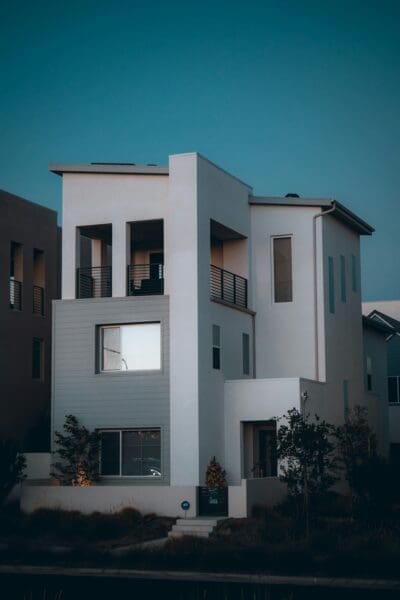
As the dynamic pace of city life continually shapes how people use and envision their homes, urban residents are seeking fresh ways to maximize their living spaces and enhance their quality of life. While smart design and creative solutions have always played a role, there is now a distinct momentum toward renovations that seamlessly balance practicality with contemporary style. If you are embarking on a project in the city, working with a trusted home renovation company in Toronto is a great way to bring these cutting-edge trends to life while navigating the unique challenges of urban living.
This article explores the most impactful urban home renovation trends, drawing on current industry research and design insights to help homeowners create spaces that evolve with their lifestyles and integrate the latest technologies and materials for lasting value.
Embracing the ‘Forever Home’ Concept
The mindset of urban homeowners is shifting. Rather than frequently moving, city residents increasingly view their current apartments or houses as long-term investments. Reports such as the 2026 U.S. Houzz & Home Study highlight how nearly half of homeowners now see their space as a “forever home,” prioritizing changes that support lasting comfort and functionality. This evolving attitude means urban renovation projects often focus on future-proofing spaces, making them adaptable for changing needs such as family expansion or remote work setup.
Prioritizing Functionality Over Aesthetics
In urban settings, space comes at a premium. Homeowners are creatively reimagining their spaces to better align with daily routines and foster flexible living. Multigenerational households and the rising popularity of accessory dwelling units (ADUs) are driving demand for homes that can adapt quickly. Open-plan interiors, adaptable furniture, and bigger investments in infrastructure upgrades reflect a focus on usability and comfort. According to a recent industry analysis by Houzz, even as renovation costs rise, homeowners are consistently choosing to fund projects that improve livability rather than just boost curb appeal.
Smart Home Integration
Technology has become fundamental in modern city living. Home renovations now commonly feature upgrades like smart locks, climate controls, wireless security cameras, and automated lighting to enhance both convenience and peace of mind. These amenities not only provide greater safety and energy efficiency but also allow homeowners to personalize their living spaces with ease. Integrating advanced home systems can increase property value and lay the foundation for future technological enhancements, according to the latest Houzz research.
Sustainable and Natural Materials
Environmental consciousness is guiding renovation choices in major cities. More people are opting for eco-friendly materials like reclaimed wood, stone, and clay, which promote both sustainability and a connection to nature. Bringing in these elements not only supports global green initiatives but also contributes to a calming, restorative atmosphere ideal for hectic urban life. Design forecasters predict that the use of natural textures and biophilic design will only grow in the coming years.
Open and Flexible Spaces
Current renovation trends focus on open layouts and multi-purpose rooms, with city dwellers shifting from separate spaces to adaptable areas like home offices, gyms, or entertainment zones. Movable partitions, sliding doors, and modular furniture enable daily space transformation, maintaining a streamlined look. Clever storage solutions like built-in cabinetry, under-bench drawers, and hidden wall shelves help keep environments clutter-free. Convertible furniture such as Murphy beds, expandable tables, and collapsible desks also facilitate multifunctional spaces. Enhanced lighting with layered, adjustable fixtures boosts functionality and ambiance. Homeowners often remove non-structural walls or add movable partitions for better light and sight lines. Interior designers promote at least one “transformable” room to maximize space, which can increase property value by appealing to buyers seeking flexible, efficient homes.
Enhanced Outdoor Areas
Outdoor spaces in cities are becoming vital home extensions. Homeowners are investing in decks, patios, rooftop gardens, and greenery, offering refuge from urban noise and spaces for entertaining, relaxing, and gardening. Balconies are transformed with vertical gardens and compact furniture. Rooftop terraces have weatherproof features for year-round use. Small play areas and outdoor kitchens add value. Features like awnings, heaters, and smart irrigation make spaces functional across seasons. These outdoor upgrades, combined with interior renovations, create cohesive living environments for city dwellers.
Conclusion
Urban home renovation is undergoing a rapid transformation as homeowners seek smarter, more adaptable spaces filled with sustainable materials and integrated technology. By embracing long-term planning and a few strategic upgrades, you can create a stylish city home that evolves with your needs and withstands the challenges of modern urban living. Staying informed about these trends will not only keep your renovation current but also ensure your investment pays off in comfort, value, and lasting style.