Maintenance Challenges of Homes Near Bodies of Water: What Homeowners Need to Know
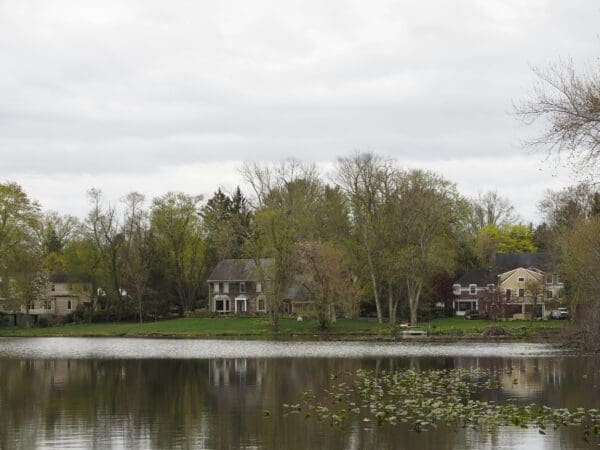
Living near bodies of water is a dream for many, offering scenic beauty, peace, and an unparalleled connection to nature. Whether it’s lakefront, riverside, or coastal living, enjoying the serenity often comes with increased property responsibilities. Properties built close to water are at a greater risk for specific maintenance challenges, particularly those related to water intrusion risk and environmental impact. Hwners must find the foundations to protect both their investment and their personal safety.
From foundation stability to material corrosion, the subtle effects of living near water present both immediate and long-term risks. Residual soil moisture, airborne salt, and fluctuating humidity can silently degrade crucial components of a home over time. While regular property upkeep is vital for all homeowners, those with waterfront properties must be particularly vigilant to prevent damage and preserve their property’s value in this unique environment.
Proper maintenance strategies can allow homeowners to enjoy their waterfront lifestyle with fewer surprises and greater peace of mind. Key steps include assessing the land’s drainage, choosing weather-resistant materials, and implementing preventative repairs. By addressing these considerations, homeowners can avoid common pitfalls and keep their home in top condition for years to come.
Moreover, waterfront homeowners should stay informed about regional best practices for managing stormwater and preserving their shorelines, as these practices can directly affect property stability. Industry experts and larger publications frequently recommend a proactive approach to home maintenance as an effective way to mitigate costly issues before they arise. HGTV’s guide to buying and maintaining waterfront property provides additional insights into these challenges.
Moisture and Foundation Instability
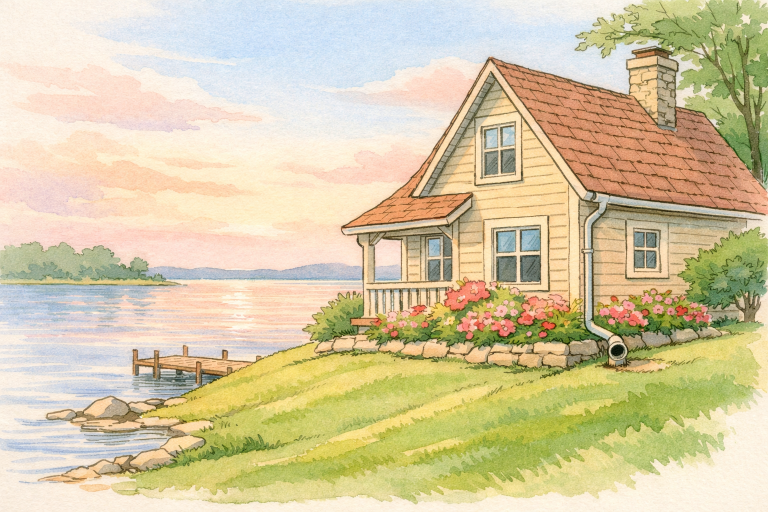
Homes built near lakes, rivers, or oceans are often exposed to high humidity and persistent ground moisture. These conditions heighten the risk of foundation instability. When groundwater constantly saturates the soil surrounding a home’s base, it can lead to erosion, shifting, and even subsidence. Over time, such destabilization results in visible cracks in the walls and foundation, uneven floors, and in severe cases, compromised structural safety. Areas with high water tables or frequent flooding are especially vulnerable, placing an added onus on homeowners to monitor and reinforce their foundations as needed. For more information on identifying and addressing foundational problems, see This Old House’s guide.
Corrosion of Building Materials
Coastal and lakeside homes are exposed to relentless humidity, sometimes laden with salt if situated near the ocean. Salt and moisture combine to create an environment where metal fasteners, frames, and other components are susceptible to rust and corrosion. Even HVAC systems, window hardware, and plumbing parts are at risk. Ongoing corrosion not only weakens structural integrity but also leads to frequent repair or replacement of affected materials. Ensuring the use of corrosion-resistant hardware and applying regular protective coatings are critical steps to minimize this threat.
Importance of Proper Drainage
Effective drainage solutions are vital for safeguarding homes from the adverse effects of excessive moisture. Pools of water near the property or pooling in crawl spaces and basements can lead to serious issues, including mold growth and foundation damage. Homeowners should install and maintain drainage systems such as French drains, sump pumps, and efficient gutter systems. Regularly clearing downspouts and ensuring that water flows away from the building can prevent water from causing damage during heavy rains or seasonal flooding.
Grading and Landscaping Considerations
The slope and layout of land around a waterfront property play a crucial role in water management. Proper grading directs water away from the foundation, reducing the chance of flooding or saturation. Landscaping should include strategic placement of plants, soil barriers, and drainage features to support water flow. Features like swales or decorative rock beds not only enhance aesthetics but also help divert water effectively and reduce erosion. Regular landscaping inspections are essential, particularly after major storms or climate events that may alter the flow of runoff around the property.
Material Selection for Waterfront Homes
Building or renovating a waterfront home requires proactively protecting the investment to withstand high-humidity environments. For exterior structural elements, marine-grade stainless steel or galvanized metal components are preferable. Pressure-treated or composite wood is ideal for decks and outdoor stairs, as it resists moisture and pests. Additionally, homeowners are encouraged to use high-performance exterior paints or sealants to prevent peeling and prolong the lifespan of siding, doors, and trim. Investing in quality materials at the outset can save significant repair costs over the life of the home.
Regular Maintenance Practices
Preventive maintenance is the best defense for any waterfront home. Schedule routine inspections to check for early signs of water damage, foundation settlement, or corrosion. Small cracks, loose fasteners, or blocked gutters should be repaired immediately to prevent larger structural issues. Maintaining caulking and weatherstripping on windows and doors keeps water out and improves energy efficiency. Proactive attention to these tasks will ensure long-term durability and minimize the need for emergency repairs.
Impact on Property Value
The condition of a waterfront property directly impacts its market value. Neglected maintenance can result in substantial devaluation due to visible damage, lowered curb appeal, and increased buyer risk. On the other hand, well-maintained properties fetch premium prices, reflecting their sought-after locations and lower risk profile. Consistent upkeep not only preserves the home’s integrity but also enhances its resale potential.
Conclusion
Living near water is undeniably rewarding but also poses distinctive home maintenance challenges. By understanding issues like foundation instability, material corrosion, and water intrusion, homeowners can take strategic steps to proactively protect their investment. Diligent upkeep, regular inspections, and the use of durable materials help ensure the beauty of a waterfront home endures for generations to come.