Is Artificial Grass Safe for Kids? A Parent’s Guide to Health and Environmental Considerations
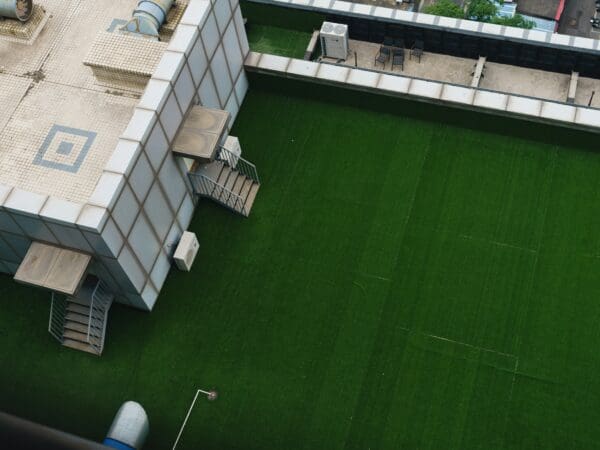
Artificial grass has quickly gained popularity among homeowners who want a stunning, evergreen lawn with minimal upkeep. The convenience and ease of maintenance appeal to families, especially those with children who love to play outdoors. However, as artificial turf installations expand from sports fields to residential playgrounds and backyards, some parents are asking critical questions about the safety of artificial grass for kids. Understanding what artificial grass is made of, its health risks, and environmental impact is vital for families making informed choices. With headlines raising concerns about toxins and environmental effects, caregivers seek objective info before installing synthetic lawns. This article examines the composition of artificial grass, health risks to children, and its environmental footprint, helping parents ask the right questions and consider key factors when choosing play surfaces. While artificial turf offers year-round greenery and saves water and maintenance, not all turfs are alike. Some contain potential chemicals; others may cause high surface temperatures and microplastic pollution. Knowing both benefits and drawbacks guides responsible decisions about children’s play areas. For parents seeking outdoor surfaces that balance appearance, convenience, and safety, research and awareness are crucial. Ongoing studies by government agencies and researchers emphasize the importance of staying informed and cautious when evaluating surfaces for kids.
Composition of Artificial Grass
Artificial grass is engineered to look and feel like real grass, using a blend of durable plastic fibers and infill materials. The synthetic “grass blades” are usually made from polyethylene, polypropylene, or nylon, while the infill is placed between these blades for support, comfort, and cushioning. Historically, the most common infill has been crumb rubber, derived from recycled tires. Other options include sand, silica, or more natural alternatives such as cork and coconut husks.
The backing that holds the artificial fibers together can include several chemical additives, such as stabilizers, colorants, and anti-microbial treatments. These choices directly affect how safe (or risky) a particular artificial turf product is, especially for young children who spend significant time in contact with the surface. The variability in materials and quality standards means that identifying the specific product composition is critical for safety assessment. For example, some cheaper options may still contain lead or other heavy metals.
Health Concerns for Children
Several potential health risks have been associated with artificial grass installations, especially for children who crawl, run, or play on the surface for extended periods:
- Chemical Exposure: Certain types of artificial turf contain per- and polyfluoroalkyl substances (PFAS), which have been linked to developmental delays, immune system suppression, and increased risk of cancer. Studies have found PFAS in artificial grass blades, backing materials, and infill. Young children are particularly vulnerable because they often put their hands in their mouths after touching playground surfaces.
- Heat Retention: Synthetic turf can become extremely hot, sometimes reaching surface temperatures much higher than neighboring natural grass. During a heat wave, artificial lawns can pose uncomfortable or even dangerous burns to children who touch or fall on them.
- Microplastic Inhalation: As artificial grass ages or is heavily used, it may shed tiny plastic particles. These particles, known as microplastics, can become airborne and may be inhaled or ingested, especially by children. Although long-term health research is ongoing, the potential risks from microplastics warrant caution for families prioritizing safe play spaces.
Environmental Impact
Artificial turf is not just a health consideration for individuals; it presents broader environmental challenges that also factor into its suitability for family yards and playgrounds:
- Heat Island Effect: Unlike natural grass that cools the air through evapotranspiration, artificial surfaces trap and radiate heat. This can exacerbate urban heat island effects, making neighborhoods warmer.
- Microplastic Pollution: Synthetic turf degradation releases microplastics into the surrounding soil and waterways. These particles are difficult to clean up and contribute to the global microplastic pollution crisis.
- Disposal Concerns: Most artificial turf cannot be recycled easily. When its lifespan ends, it generally becomes landfill waste, raising concerns about long-term environmental responsibility.
Regulatory Standards and Research
Regulatory bodies in the United States and Europe have begun investigating the health and environmental impacts of artificial turf. However, current laws and standards are limited and sometimes fail to address newly discovered risks. Ongoing research is seeking to clarify the relationships between turf components and health outcomes, but definitive cause-and-effect links remain elusive. For parents, vigilance and staying informed through reputable sources, such as those provided by the U.S. Environmental Protection Agency, is highly recommended as the regulatory landscape continues to evolve.
Making an Informed Decision
Parents considering synthetic grass for play areas should carefully research the product’s composition and select materials verified as free of harmful chemicals. Whenever possible, choose alternative infill options such as cork or naturally derived products over crumb rubber to reduce chemical concerns. Monitor turf temperature during hot weather and take steps to limit exposure when surfaces are excessively warm. Reinforce good hygiene habits by ensuring that children wash their hands thoroughly after play. Finally, ask manufacturers for detailed safety data on the products you are considering and review independent assessments for reassurance.
Conclusion
By understanding both the advantages and drawbacks of artificial grass, families can create play environments that suit their needs while also prioritizing their children’s health and well-being. Small adjustments and ongoing vigilance can help minimize risks, allowing families to enjoy outdoor spaces with added peace of mind.