Interior Design: Why Texture Matters
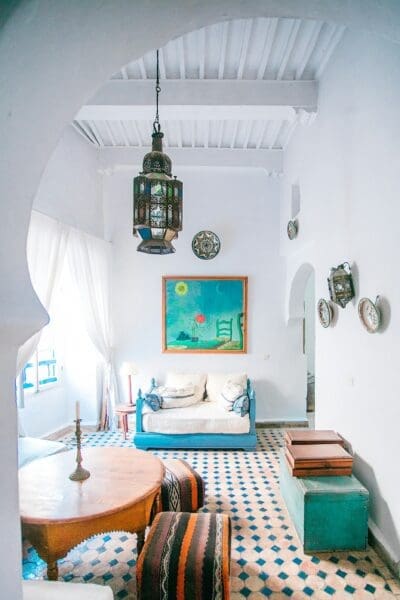
Texture, though frequently underestimated, is a potent element in interior design that can elevate a space from dull to stunning. It adds tactile intrigue and encourages interaction with your environment through touch and sensation. But why is texture so crucial? Let’s explore the role of texture and its importance within interior design.
What Does Texture Mean in Interior Design?
In interior design, texture pertains to the surface characteristics of materials, including their smoothness, roughness, softness, or coarseness. It serves as a fundamental component in interior design inspiration to creating a unique and homely feel in any property. The textures can be tactile (felt by touch) or visual (seen with the eyes). Textures range widely—from the sleek quality of silk to the rugged nature of stone—and originate from various sources like the grainy pattern on a wooden table, the luxurious comfort of a velvet sofa, polished marble countertops’ sheen’s shiny finish, and brick walls’ gritty facade appearance. These elements blend harmoniously and collaborate cohesively to create intricate, complex, and inviting captivating interiors within home environments.
Why Texture Matters
Texture plays pivotal roles in interior design that include:
· Introduces Balance and Contrast
In design, balance is essential, and texture plays a vital role in achieving it. Combining different textures fosters harmony and ensures no single element overpowers the space. For example, a sleek metal coffee table paired with an upholstered chair creates equilibrium between hard and soft aspects within the room. Juxtaposed textures like a rough brick wall against a smooth velvet sofa introduce tension and excitement to make the space more dynamic and engaging; however, it’s important to maintain this contrast without making things chaotic. The aim should be to craft a visually stimulating environment that remains cohesive, and harmonious environment.
· Adds Variety and Interest
Texture adds a natural and effective weapon against boredom in the world of interior design. A room with absolutely flawless glossy-looking furniture and walls may give you a feel of an unwelcoming house without the beauty associated with home. If, for instance, you have an easy leather sofa, you can spice up the room by placing a textured throw pillow on it to create visible textures that interest the eye. This combination of textures contributes to the comprehensiveness of the story in the room and makes it more attractive – a place that invites to turn to its elements to engage.
· Influences the Perception of Space
A room filled with smooth, shiny surfaces may come across as cold and unwelcoming, devoid of the character and warmth that make a space engaging. Adding varied textures—like a textured throw pillow on a sleek leather sofa—creates captivating contrasts that catch the eye and spark interest. This blend of textures enhances the visual narrative of the room, making it more dynamic and inviting—a place where you’d enjoy exploring its features.
· Establishes a Distinctive Ambiance
Different textures can set unique moods and styles, making them perfect for crafting distinct atmospheres in various spaces. In the living room, blend soft, luxurious materials with natural elements like wood and stone to create a warm and welcoming environment. For a contemporary kitchen design, choose sleek surfaces such as glossy cabinets and quartz countertops for an elegant finish. In the bedroom, incorporate gentle fabrics like velvet bedding alongside plush rugs to fashion a tranquil haven.
Achieve a spa-like ambiance in the bathroom by using smooth finishes coupled with opulent materials like marble and stone. Meanwhile, combine clean lines with tactile details in your home office to cultivate a stimulating space conducive to focus work. By thoughtfully choosing texture combinations, you customize each room’s atmosphere according to its specific function or character.
· Enhances Comfort and Practicality
In interior design, perhaps there is nothing more important than this role of texture which is not only aesthetic but it also impacts practical daily usage. Velvet furniture or rug and other soft furniture accessories make them cozy and comfortable to stay in compared to hard surfaces and very bright lighting. On the other hand rough surface like non-slip floor increases safety as far as water build-up and heavy traffic is concerned. For instance, a soft and warm throw that decorates a sofa can also be used to make the user warmer during evening.
· Provides Visual Weight
Texture adds visual weight to objects, impacting their prominence in a room. Rough, heavy textures like a chunky knit throw or a reclaimed wood wall attract the eye, creating focal points. Conversely, smooth, light textures such as a silk pillow or a polished marble floor recede, allowing other elements to take center stage. Balancing these textures guides the viewer’s gaze and enhances the overall design narrative, making some features stand out while others subtly support the main attraction.
· Enhances Depth and Dimension
Incorporating texture into a space adds depth and dimension, creating a dynamic and engaging atmosphere. When different textures are present in a room, light interacts with each surface uniquely, producing shadows and highlights that boost visual interest. For example, placing a smooth leather chair alongside a textured wool rug generates layers that capture attention and introduce complexity. This combination of textures enhances the environment’s richness, making it more inviting and visually stimulating.
· Captivates the Senses
Texture challenges us to communicate with our environment by embracing it in the form of feel, look, and sound. When a space has a diverse pattern of texture feel, such as a nubby linen sofa with plush velvet cushion and an unpolished wooden coffee table, people get intrigued and touch it. This kind of sensory scrutiny enhances space warmth involvement and covers the physical area and its surroundings through enhancing the occupants’sense of belonging and involvement. This not only makes the space more inviting, engaging and memorable but also exerts a physiological hold on the occupants so making the atmosphere engaging on different levels.
Texture plays a crucial and dynamic role in interior design. It introduces intrigue, shapes perception, sets the mood, and boosts comfort. Whether trying to achieve a warm, rustic ambiance or a smooth, contemporary aesthetic, blending different textures can invigorate your space. So feel free to explore—combine various textures to craft an inviting and compelling environment.