Innovative Ways to Deal with Common HVAC Problems

Maintaining a comfortable home environment year-round depends on the reliability and efficiency of your HVAC system. Even the most well-built units can encounter issues that disrupt heating or cooling performance, leaving your household uncomfortable and potentially increasing utility bills. If you’re facing unexpected breakdowns or irregular operation, a trustworthy HVAC repair service in Sarasota can help diagnose and fix your system quickly, restoring comfort and peace of mind. However, understanding the most common HVAC problems and handling them proactively can go a long way—often minimizing repair needs, reducing energy consumption, and preventing further complications.
Dirty Air Filters
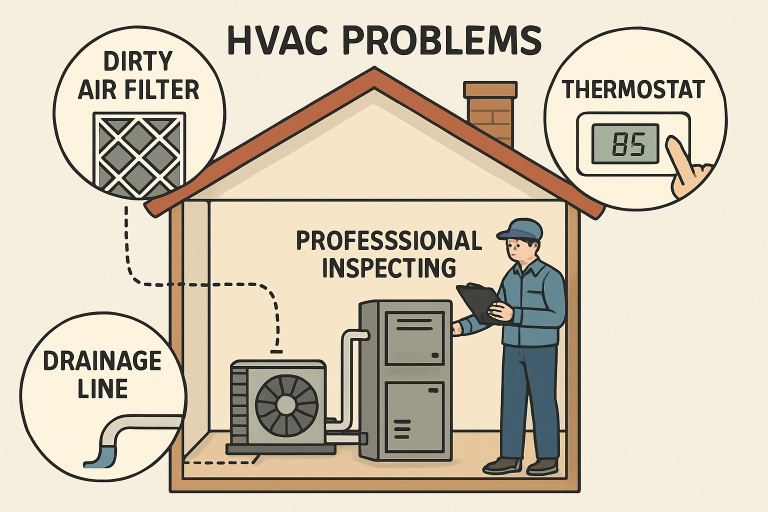
One of the most frequent and easily overlooked problems affecting HVAC systems is the accumulation of dirt, dust, and allergens inside air filters. A clogged or dirty filter restricts airflow, making your system work harder to push air throughout your home. This leads to reduced efficiency, uneven heating or cooling, higher utility costs, and may cause components to wear out prematurely. Dirty filters contribute to poor indoor air quality, which can be problematic for people with allergies or respiratory concerns.
Solution: Inspect and replace air filters every one to three months. During high-use periods—like the peak of summer or winter—filters may need to be swapped more frequently. Clean filters help your HVAC system run smoothly and promote healthier indoor air.
Thermostat Malfunctions
When your HVAC system does not maintain consistent temperatures, the thermostat is likely a culprit. Outdated manual models, dying batteries, and wiring issues can all result in inaccurate readings or inconsistent operation. Sometimes, incorrectly setting the thermostat leads to discomfort or unnecessary energy consumption.
Solution: Double-check that your thermostat is programmed accurately for your desired temperature and daily routine. Consider upgrading to a programmable or smart thermostat, which offers precise temperature control, learning capabilities, and remote access. These upgrades improve comfort and energy efficiency by automatically adjusting settings based on occupancy and preferences. Regularly replace the thermostat’s batteries and test its functionality to avoid unexpected failures.
Refrigerant Leaks
Refrigerant is the lifeblood of any air conditioning system, responsible for absorbing and expelling heat during cooling. Even a small leak can reduce cooling capacity, lead to longer run times, and increase energy bills. Warning signs include warm air blowing from vents instead of cold, hissing sounds, or visible ice forming on the evaporator coils.
Solution: If you suspect a refrigerant leak, contact a licensed HVAC professional immediately. Handling refrigerants is regulated due to environmental and safety risks, and repairs require specialized equipment and expertise. Timely action prevents further damage and restores optimal cooling.
Clogged Drainage Lines
HVAC systems remove excess moisture from your indoor air as part of the cooling process. This condensation typically drains outside via a dedicated line. Over time, these drainage lines can become clogged with dust, mold, algae, and other debris, resulting in water leaks around the unit, increased humidity, or even water damage to ceilings and floors.
Solution: Inspect your drainage lines periodically to ensure water is flowing freely. Flushing the line with water and household vinegar can help eliminate minor buildup. For stubborn clogs or if you’re unsure how to proceed, schedule a professional cleaning service. Preventing drainage backups protects your HVAC unit and your home’s structure from water damage.
Electrical Component Failures
To function correctly, HVAC systems depend on many electrical components—wiring, capacitors, relays, and contractors. Over time, these parts may wear out or become damaged, leading to intermittent operation, frequent cycling, or total system failure. Flickering lights or tripped circuit breakers are often symptoms of electrical problems within your equipment.
Preventing Safety Hazards
Electrical issues inside an HVAC system pose serious safety hazards. At the first sign of trouble, disconnect power to the unit and schedule a professional inspection. Attempting DIY repairs on electrical parts can result in injury or further system damage.
Solution: Have a technician check your HVAC system’s electrical components during annual maintenance visits. This ensures connections are secure, components function correctly, and potential fire or shock hazards are eliminated.
Preventive Maintenance
Investing in regular preventive maintenance is the best way to avoid most HVAC issues. Annual checkups by a certified HVAC professional include a thorough inspection of the entire system—checking for leaks, testing thermostat operation, cleaning critical components, and ensuring everything is working at peak efficiency. Regular maintenance can boost an HVAC system’s lifespan by up to 50% and decrease the likelihood of expensive major repairs by 43%.
Additional preventive measures homeowners can take include sealing air leaks around doors and windows to reduce system workload, installing high-quality air filters, and ensuring vents are clear from obstructions. Staying proactive with DIY tasks, combined with scheduled professional service, helps prevent minor issues from turning into larger problems, lowering your total cost of ownership and keeping your home comfortable every season.
By understanding these common HVAC problems and their innovative solutions, homeowners can take control of their comfort, extend the life of their equipment, and minimize the risk and cost of emergency repairs.