How Weather Patterns Affect Roof Longevity and Maintenance
Weather conditions significantly affect roofs, affecting structural integrity and lifespan. Climates present unique challenges like heat accelerated wear and heavy storms, making understanding these environmental factors crucial for homeowners.
Roofs are integral to any structure as the primary barrier against the elements. However, not all roofs are created equal, and the impact of weather patterns on their longevity is significant. Different climates demand different strategies when it comes to roofing. For example, choosing a roofing solution that caters to local weather conditions is essential for optimizing a roof’s performance. A versatile and informed approach to roofing is needed in areas with diverse climates. This article delves into how specific weather patterns such as sun, rain, hail, wind, and snow impact roof longevity and maintenance, with insights from trusted industry resources. For example, a seasoned Colorado Roofing Company would likely emphasize the unique considerations needed for the variable weather in that region.
The Impact of Sun and Heat
The sun and heat can significantly impact roofing systems, as prolonged UV exposure can weaken materials, causing fading and cracking. Investing in UV-resistant materials like tile, slate, or UV-resistant coatings is crucial for preventing this. Moreover, installing reflective surfaces can alleviate temperature-related stress on roofs, protect them, and reduce energy consumption. Heavy rainfall poses a different threat, as water can cause significant structural impairments over time. Regular inspections of gutters and downspouts can prevent overflow and potential water damage, extending the structure’s lifespan. Choosing materials with proven water resistance can also help avert potential dangers associated with prolonged exposure to heavy rain. Overall, effective management and maintenance of roofing systems are essential to protect against these challenges.
The Misunderstood Foe: Hailstorms
Hailstorms are a common issue in roofing due to their swift and destructive damage. Investing in impact-resistant roofing options like rubber or modified asphalt shingles can mitigate the damage caused by hailstones. Post-storm inspections are crucial for identifying and addressing damage early. Understanding your area’s weather patterns should influence your roofing choices. Wind resistance and stability are essential for roofs in high-wind regions. Reinforcing fasteners and using wind-rated materials can improve performance during wind events. Continuous edge sealing and securing roofing surfaces are practical measures for enhancing wind resistance. Without these precautions, roofs are susceptible to frequent repairs and costly damage. Understanding your area’s typical weather patterns should influence roofing choices and practices.
Snow and Ice: A Winter Challenge
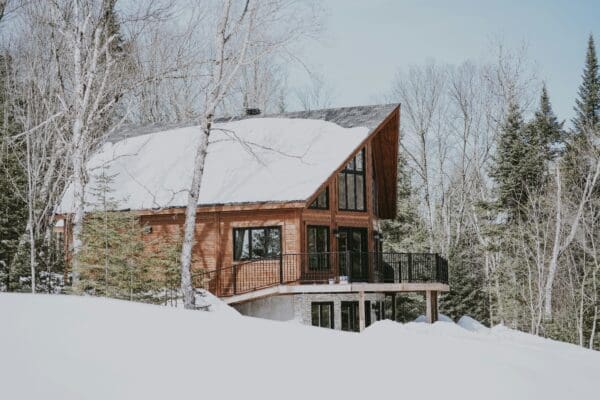
Winter months significantly contribute to roof wear and tear due to snow and ice, which add weight and introduce the freeze-thaw cycle, leading to ice dams and moisture infiltration. To reduce physical stress on roofs, routine snow removal is recommended, and materials that maintain integrity in cold temperatures can resist ice buildup. Thermal roof membranes can prevent snow adhesion and facilitate melting and runoff. Preemptive measures like these can prolong the life of a roof, protecting both the roof and its shelter. Moisture concerns structural integrity and health, breeding mold and mildew. To mitigate these concerns, maintain adequate roof ventilation, check for excessive moisture and leaks, and incorporate mold inhibitors and materials less susceptible to moisture retention. These steps create a healthier living environment beneath the roof.
Advanced Roofing Materials for Better Weather Resistance
Advanced roofing materials like metal roofing with reflective coatings, engineered rubber, and composite shingles offer enhanced weather resistance and energy savings. Investing in these modern materials ensures longevity and protection, adding intrinsic value to the property. Regular roof maintenance, including bi-annual inspections and additional checks after severe weather events, can prevent minor issues from escalating into significant repairs, extend the roof’s life, and save on repair costs. This proactive approach ensures homeowners’ roofs are in optimal condition, providing peace of mind.
Concluding Thoughts on Weather and Roof Care
Understanding and adapting to the climatic challenges specific to your region is key to ensuring a long-lasting roof. Whether dealing with scorching sun, torrential rain, or relentless snow, choosing the right materials and implementing consistent maintenance strategies will safeguard your home. Homeowners can protect their roofs from nature’s challenges by using materials designed for specific weather conditions and committing to regular maintenance. This proactive approach ensures homes remain safe, functional, and aesthetically pleasing for years, resulting in long-term benefits.