How to Rebuild Your Home After Property Damage
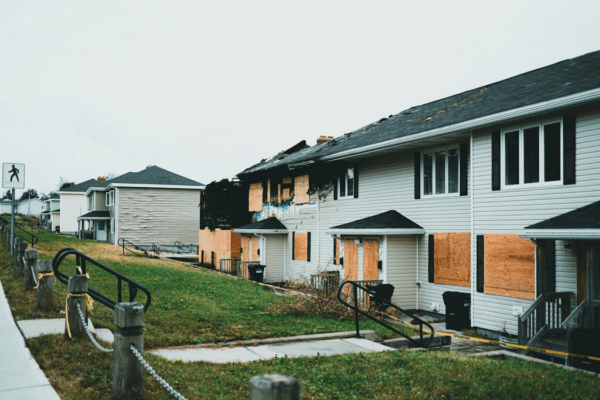
Ever stepped outside in Atlanta after a storm and thought, “Did my roof just wave goodbye?” Whether it’s fire, flood, wind, or something more obscure (looking at you, burst pipes during unexpected cold snaps), property damage is personal, disruptive, and confusing. In a city where extremes are becoming more common, rebuilding isn’t just about bricks—it’s about timing, resilience, and making smart choices fast. In this blog, we will share how to rebuild your home after property damage, what to prioritize, and how to navigate the chaos without losing your mind.
Start with Safety, Then Get Everything in Writing
After disaster strikes, most people rush to fix. The ceiling’s leaking. The floor’s buckling. The wiring smells suspicious. But the first move should always be safety. Get a professional inspection before re-entering your home, even if the damage looks minor. Water can warp foundations. Fire weakens load-bearing beams. You can’t rebuild anything if your house isn’t structurally sound.
Once you’ve secured the property, your second job is documentation. Take photos of everything—before cleaning, before tossing anything, before patching that hole. Insurers want evidence, not explanations. Write down the damage, save receipts, and if you talk to any adjusters, contractors, or city officials, get it all in writing. Memory fades. Paper doesn’t.
This stage feels slow and tedious, but it sets the tone for everything that comes next. It also protects you from lowball offers or disputes down the line. Insurance companies work fast, but not always in your favor. And if you sign too quickly, you may miss out on coverage you didn’t know you had.
Work With Restoration Pros Who Know the Terrain
Once you’re cleared to start rebuilding, it’s tempting to call the first contractor with an opening. Don’t. Property restoration isn’t basic handyman work—it’s specialized, heavily regulated, and often tied to local codes. Especially with fire-related damage, hidden issues like smoke residue, structural instability, and toxic materials can turn a simple job into a serious hazard.
In cases of fire damage restoration Atlanta GA has some of the most experienced professionals due to the frequency of such events in the region. Between aging infrastructure, dense urban housing, and increasingly erratic weather, local crews know what to expect—and how to deal with it. They don’t just rebuild; they restore safety, air quality, and function. That’s a huge distinction when you’re living through it.
These teams understand both the visible and invisible impact of a fire. Soot can damage electronics. Smoke seeps into insulation. Water from putting out the flames can cause mold. A good restoration team will assess all that, not just repaint the walls and call it a day.
Reputable crews also understand how to work with insurance claims and city permits. They don’t just show up with tools—they bring knowledge of the system, which speeds up approvals and avoids costly do-overs. Working with the right people from the start can shave weeks off your timeline and save thousands.
Know the Rules Before You Rebuild
Reconstruction isn’t just about putting things back where they were. Once permits come into play, you might have to bring parts of your home up to modern codes. That can mean replacing outdated wiring, installing new insulation, or modifying layouts to meet current safety standards.
This often catches homeowners off guard. They think insurance will cover full replacement, only to find that compliance upgrades fall into a gray zone. Some policies cover code upgrades. Others don’t. And the difference can be tens of thousands of dollars.
Before you swing a hammer, talk to your adjuster. Ask about policy limits, upgrade clauses, and whether certain materials or designs are reimbursable. Some insurers push “like-for-like” coverage, meaning they’ll only pay to replace what was damaged, not improve it. But if your wiring was from the 70s or your plumbing still used materials banned a decade ago, this becomes a negotiation.
Also, be ready for delays. Materials may be backordered. Permits can take time. Skilled labor is often overbooked during high-damage seasons. Building in patience helps prevent burnout and rushed decisions—both of which tend to end poorly.
Reuse, Rethink, and Redesign Intelligently
Disasters force decisions. Once the initial panic fades, rebuilding becomes an opportunity to rethink how you use space, how your home functions, and what you really need. Maybe that awkward corner becomes a pantry. Maybe that leaky sunroom gets replaced with better insulation and light control. Maybe you finally ditch the carpet for something easier to clean.You don’t need to gut your house or start from scratch. But you do get a chance to make smarter choices—materials that last longer, layouts that work better, systems that cost less over time. Sustainable options aren’t just trendy—they’re practical. Reclaimed wood, metal roofing, energy-efficient appliances, or fire-resistant materials can help future-proof your home against the next hit.