How to Heal From Sexual Abuse and Navigate Life After Trauma
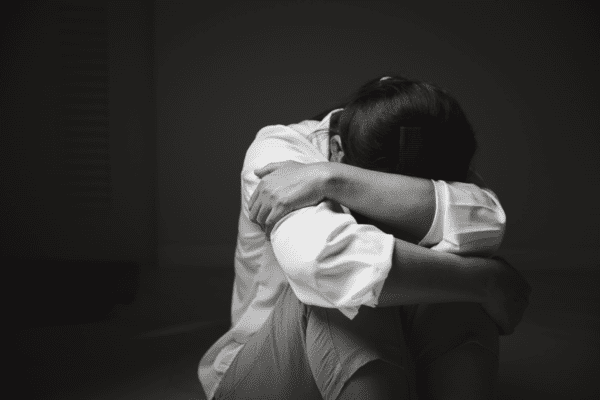
Sexual abuse can leave deep emotional wounds. It’s completely normal to feel a mix of emotions: anger, fear, shame, sadness, or even numbness. Many survivors struggle with anxiety, depression, or post-traumatic stress.
Trusting others might feel impossible. Some people pull away from loved ones, feeling completely alone. Physical symptoms can also show up, like chronic pain, stomach problems, or trouble sleeping.
None of this means you’re weak. These are normal reactions to trauma. The first step toward healing is understanding that what happened was not your fault. You didn’t deserve it, and you don’t have to carry the blame.
You have the option of reaching out to attorneys specializing in sexual abuse to help you pursue justice. While you do that, there are other ways you can heal and move on with life.
Here are some of them:
Building a Support System
Healing is easier when you’re surrounded by people who care. But not everyone will understand what you’re going through, and that’s okay. The important thing is to find people who listen, believe you, and respect your boundaries. Online survivor communities can provide a safe space if opening up to family or friends isn’t an option.
Taking Care of Your Mind and Body
Your brain and body are connected, and when one is struggling, the other feels it too. Lack of sleep can make anxiety worse, and stress can cause physical pain.
If you’ve been neglecting your health, it’s not your fault, but perhaps it’s time for you to start making small changes towards your recovery. Drinking enough water, eating meals that give you energy, and even just stepping outside for fresh air can slowly help you feel more grounded.
Your mind also needs care. That could mean talking to someone about your feelings, practicing mindfulness, or simply allowing yourself to rest without guilt. Teach yourself to let go of self-blame. Let go of the idea that you have to be strong all the time. Taking care of yourself is one of the most powerful steps toward recovery.
Setting Boundaries and Regaining Control
One of the hardest but most important parts of healing is setting boundaries. Many survivors struggle with feeling guilty for saying no or standing up for themselves. But protecting your energy and peace is essential.
This might mean limiting contact with certain people, avoiding situations that bring back painful memories, or deciding when and how to share your story. You don’t owe anyone an explanation. Learning to set and enforce boundaries is a huge step in taking back control of your life.
Finding Purpose and Moving Forward
Over time, many survivors find ways to turn their pain into something meaningful. Some get involved in advocacy, helping others who have been through similar experiences. Others find creative outlets, like art, music, or writing, to express what they’ve been through.
Finding something that brings you joy, even if it’s something small, can be a powerful way to move forward. You don’t have to have it all figured out right now. Just focus on taking one step at a time.
Conclusion
Some days will be easier than others. Some days might feel like you’re moving backward instead of forward. That’s normal. Healing isn’t about pretending everything is okay.
You’re free to allow yourself to feel, process, and grow. There’s no timeline, and there’s no right or wrong way to heal. The most important thing is to keep going, even when it feels difficult.