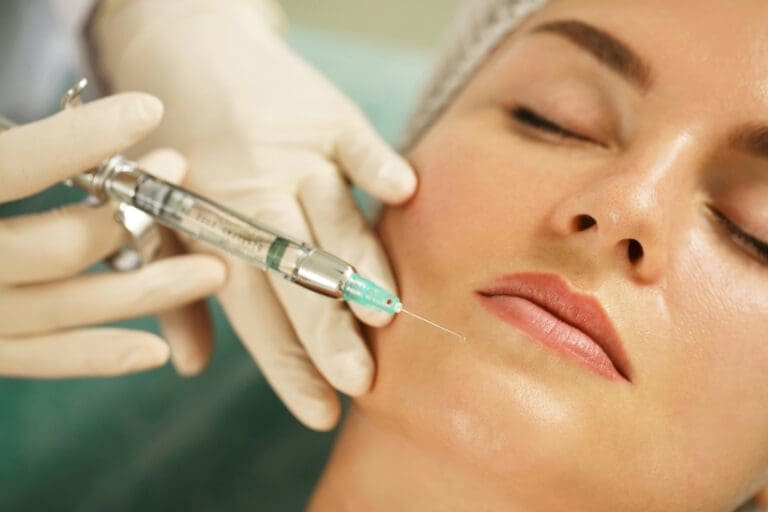

How to Evaluate Different Treatments for Facial Rejuvenation

Facial rejuvenation has moved far beyond simple creams and serums. With so many treatments available in Chicago—ranging from minimally invasive procedures to surgical options—it’s easy to feel overwhelmed. What works for one person may not suit another, and the differences aren’t always obvious at first glance. From experience, the best approach is to focus on a combination of safety, results, and personal goals rather than chasing the latest trend.
Here’s a practical guide to evaluating the options without getting lost in the marketing hype.
1. Start with Your Goals
Before you even look at procedures, it helps to define what “rejuvenation” means for you. Are you aiming to smooth fine lines, restore volume, lift sagging skin, or all of the above? In practice, people often mix and match treatments to get the effect they want. Some are looking for subtle changes, others for a more dramatic transformation.
Knowing this upfront will shape which treatments make sense — and this clarity also helps when speaking with specialists. Those considering facial plastic surgery in Chicago with Dr. Sahar Nadimi will find that articulating their goals upfront often prevents unnecessary procedures down the line. The clearer your vision going in, the more productive and focused that first consultation tends to be.
2. Understand the Spectrum of Options
Facial rejuvenation isn’t one-size-fits-all. Non-invasive procedures like Botox, dermal fillers, and chemical peels offer minimal downtime but usually need ongoing maintenance. On the other hand, surgical approaches—such as facelifts or eyelid surgery—provide longer-lasting results but come with higher upfront commitment, recovery time, and cost.
What we’ve seen in clinical practice is that combining methods often produces the most natural-looking outcome. A filler here, a subtle lift there, and occasional skin resurfacing can keep results fresh without the need for a single, drastic procedure.
3. Assess Risks and Side Effects
Every treatment carries potential downsides. Non-invasive treatments might cause temporary redness, swelling, or bruising. Surgical procedures involve anesthesia risks, scarring, and longer recovery periods. It’s worth considering how these align with your lifestyle.
Real-world experience shows that patients often underestimate recovery. Even “minor” procedures can affect daily routines, so it’s practical to plan ahead. Talking openly with your provider about possible complications—and how they handle them—gives insight into their approach and your likely experience.
4. Evaluate Credentials and Experience
Who performs your procedure matters just as much as the procedure itself. Board certification, years of practice, and specialization all count. Facial anatomy is complex, and subtle variations can make a huge difference in results. A skilled surgeon or aesthetic provider brings both technical knowledge and an artistic eye. Providers renowned for their approach to facial harmony tend to emphasize individualized treatment plans over one-size-fits-all solutions. From experience, patients feel more comfortable when their provider has both formal credentials and a history of real-world success with similar cases.
5. Consider Longevity and Maintenance
How long you want your results to last will influence your choice. Injectables require periodic touch-ups, sometimes every few months, while surgical results can last years—but may not prevent natural aging. Understanding maintenance schedules upfront prevents surprises.
In practice, people often start with less invasive treatments to “test the waters” and later transition to surgical options as needs evolve. This phased approach can be gentler both on the face and the budget.
6. Think About Personal Lifestyle Factors
Your daily life, work schedule, and social commitments play a huge role in treatment decisions. If you can’t take time off work, a non-invasive option might be more practical. Conversely, if long-term results are your priority and downtime is manageable, a surgical procedure may be worthwhile.
Even simple factors like sun exposure, skincare routine, and stress levels affect outcomes. Providers who consider these variables—rather than treating everyone the same—often deliver more natural results.
7. Look Beyond Before-and-After Photos
Photos can be helpful, but they don’t always tell the full story. Lighting, makeup, and selective angles can exaggerate results. In real life, the subtleties—how your skin moves, how expressions change, and how natural the outcome feels—are far more important.
Talking to past patients, reading detailed testimonials, and observing results in person, if possible, can give you a better sense of realistic expectations.
8. Trust Your Instincts
Finally, personal comfort matters. If something feels rushed, overly aggressive, or “too trendy,” it’s okay to step back. Confidence in your provider and your plan can reduce stress and improve satisfaction with results.
It may take time to evaluate different treatments, but patience pays off. Many people find that the best outcomes are a mix of professional advice, personal research, and listening to their own instincts.
Conclusion
Facial rejuvenation is as much about personal alignment as it is about clinical technique. By clearly defining goals, understanding risks, considering lifestyle factors, and choosing a provider with experience and nuance, you set yourself up for results that feel natural and lasting. Whether you opt for subtle enhancements or more dramatic changes, careful evaluation helps make the journey rewarding rather than overwhelming.