How to Choose the Perfect Pool for Your Backyard: A Comprehensive Guide
Transforming your backyard into an inviting oasis with a swimming pool is one of the most rewarding home investments. It offers countless hours of relaxation, entertainment, and fitness. To make the process seamless and ensure satisfaction for years to come, selecting the right pool is crucial. Start your journey toward the perfect swimming pool by considering your goals and consulting reputable experts, such as Dickson Family Pools to guide you at every step of the process.
Choosing a pool is not just about aesthetics. It is an important decision that involves evaluating your property, lifestyle, budget, and long-term maintenance commitments. Carefully weighing every aspect helps you select a pool that fits beautifully into your backyard and offers maximum enjoyment.
Assess Your Backyard Space
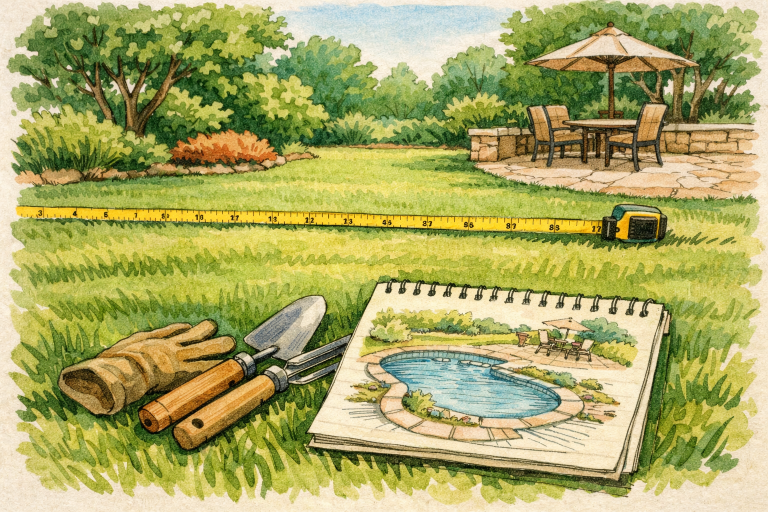
Start by thoroughly measuring your backyard and considering the placement of existing features such as patios, trees, and garden beds. The available area will influence not only the size but also the shape and type of pool you can install. Leave room for essential elements like walkways, lounging areas, and landscaping.
Evaluating the natural conditions of your yard is vital. Observe sunlight patterns throughout the day to maximize warmth and minimize heat loss. Natural wind barriers, such as shrubs or fences, can help keep your pool area more comfortable and reduce debris accumulation.
It’s also important to think about how your pool will fit into the overall landscape of your home. Consider whether you want your pool to serve as the focal point of your yard or subtly blend into the background. Visualizing the end result using sketches or software design tools can be very helpful in making confident choices. You may also wish to consult with a landscape architect who can help you plan for both function and beauty, ensuring that your pool complements your outdoor living space for years to come.
Drainage is another consideration often overlooked in the excitement of planning a new pool. Make sure water runs away from your pool and home to prevent costly damage and to maintain a comfortable environment. Taking steps to address potential drainage issues in the beginning will pay dividends down the road.
Determine Your Pool’s Purpose
Knowing how you want to use your pool will guide other decisions regarding size, shape, and features.
- Recreation and Family Fun: Consider including shallow zones for children or games, steps for easy entry, and a design that encourages social interaction.
- Exercise and Lap Swimming: For fitness, a longer, rectangular pool is best. A length of at least 40 feet allows for uninterrupted lap swimming and water aerobics.
- Entertainment: If you love hosting gatherings, focus on features like integrated spas, sun shelves, or a wide deck for seating and dining.
You may also want to plan for future flexibility. If you anticipate changing needs, such as your children getting older, or changing your fitness regimen, incorporating adaptable designs can help maximize long-term satisfaction. Some options include removable divider lines for lap swimming, adjustable-depth areas with movable flooring, or modular decking. While not every homeowner needs these features, considering them can help future-proof your pool investment.
Choose the Right Pool Size
Pool size should be proportional to your yard and intended usage. Small pools (10 to 20 feet) are perfect for relaxation in compact spaces, while medium pools (20 to 30 feet) provide ample room for families. Large pools (30 feet or longer) are ideal for bigger yards and frequent entertainers. Keep in mind, larger pools demand significantly more maintenance.
It’s also wise to think about depth in addition to length and width. If you want areas for diving, your pool must meet specific depth requirements for safety. Conversely, shallow-entry pools (or “beach entry” designs) are excellent for young children or those who prefer lounging in the water. Assess how many people are likely to use the pool at once, and whether separate zones or a uniform depth is best for your needs. Your choices here will directly impact the overall comfort and usefulness of your backyard retreat.
Select the Ideal Pool Shape
The shape of your pool affects both its aesthetic and how it is used. Rectangular pools are timeless and popular for swimming laps. Freeform designs complement naturalistic landscaping and blend with organic garden shapes, offering a more relaxed atmosphere. Geometric pools (such as L- or T-shaped options) create separate zones for different activities and work well for families with varied interests.
If you want to truly personalize your pool, explore custom shapes that reflect your style or integrate creative elements like built-in seating, water features, or unique edges. Curved, kidney, or lagoon-style pools offer visual variety and can mimic natural bodies of water. Consider the lines and angles of your home and surrounding spaces to create a harmonious design. Remember that more complex shapes may affect the installation process and can sometimes increase both initial cost and long-term maintenance needs.
Consider Materials and Construction
Pool materials are the foundation of your pool’s durability and maintenance needs. Concrete pools offer unmatched customization and can be shaped to suit any vision, though they may involve higher maintenance. Fiberglass pools are low-maintenance and quick to install, but shapes and sizes are more limited. Vinyl-liner pools are generally the most budget-friendly, offering a variety of designs, although liners will eventually need replacement. For a comprehensive review of pool construction materials, refer to Lowe’s guide on types of swimming pools.
Many homeowners should also consider the climate and intended year-round use when choosing materials. For example, concrete pools are strong but may require additional care in colder regions to prevent cracking. Fiberglass pools are popular in moderate climates and resist algae growth, making upkeep easier. Ask your pool contractor about warranties, expected lifespan, and maintenance tips for your chosen material to ensure a smooth ownership experience. Advances in eco-friendly finishes and surfaces, such as pebble or quartz aggregates, allow for more sustainable and visually pleasing options than ever before.
Budget and Maintenance
Determine your total budget by factoring in construction, landscaping, and ongoing costs, including water treatment, energy consumption, and cleaning supplies. Additions like heating systems, LED lighting, or automated cleaning tools will enhance functionality but also increase expenses. Committing to regular upkeep, including chemical checks and periodic servicing, is critical for the long-term enjoyment and safety of your pool.
While budgeting, it is also smart to set aside a contingency fund for unexpected expenses, such as required repairs, equipment upgrades, or spontaneous improvements as your needs evolve. Consider the availability and costs of local pool care services if you prefer to outsource some of your maintenance tasks. Finally, explore energy-saving upgrades such as solar heating or variable-speed pumps to help control utility expenses while reducing environmental impact.
Check Local Regulations
Research your municipality’s building codes before committing to a design. Regulations may dictate fencing, safety barriers, and pool placement, and obtaining proper permits is often mandatory. Local ordinances ensure safety and can help you avoid complications or fines down the road.
Consulting with your homeowners’ association or community guidelines, even if not strictly required, can also prevent future disagreements or aesthetic conflicts with neighbors. Some localities have strict policies regarding night lighting, pool covers, and even landscaping around pools to preserve neighborhood harmony. Getting everything in writing before breaking ground is the best way to stay compliant and safeguard your investment.
Conclusion
Choosing the right swimming pool is a journey that starts with understanding your needs and the unique conditions of your backyard. By systematically evaluating your space, defining your pool’s main purpose, considering the best size and shape, and carefully selecting materials and features, you can create a backyard retreat that enhances your lifestyle for many years. Take time to explore your options, consult reputable professionals, and stay informed about local requirements so your pool project is a source of relaxation and pride.
Ultimately, investing thoughtful time in the selection process will help transform your vision into reality. Whether you choose a sleek modern lap pool, a curving natural lagoon, or a family-friendly oasis with all the bells and whistles, a well-designed pool increases your home’s appeal and becomes a cherished gathering place. Remember, the best backyard pools are perfectly tailored to your space, your family, and your dreams. Enjoy the journey and happy swimming!