How Plastic Surgery Can Improve Quality of Life and Confidence
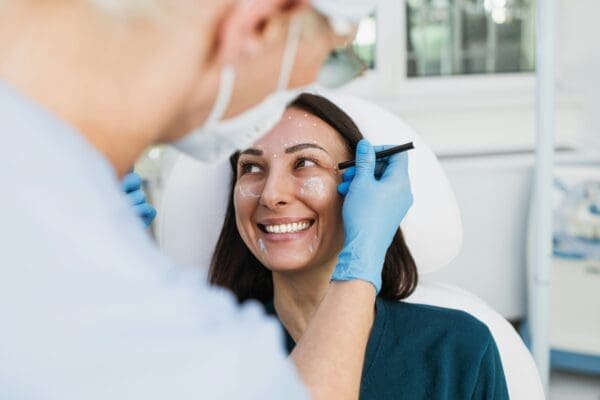
There’s a version of plastic surgery that dominates the cultural conversation: dramatic before-and-afters, celebrity speculation, and procedures framed purely as vanity. What gets far less attention is the quieter, more common reality: for most patients, plastic surgery is about closing the gap between how they look and how they’ve always felt inside.
The research supports this consistently. A systematic review published in PMC (National Library of Medicine) found that patients undergoing breast augmentation reported overall satisfaction rates more than 90%, with consistent improvements in self-esteem, social confidence, and satisfaction with body image across multiple studies. For those exploring plastic surgery in Thousand Oaks, understanding exactly how this improvement happens is central to making a well-informed decision.
How Confidence Translates Into a Better Quality of Life
Confidence rarely stays contained to how someone feels about a single feature; it ripples outward. A person who no longer feels self-conscious speaks up more often in meetings, initiates conversations they used to avoid, and shows up more fully in photographs, relationships, and everyday interactions. This is the mechanism behind why plastic surgery’s psychological benefits extend beyond the mirror.
Resolving a long-standing physical concern removes a quiet, constant drain on self-perception, freeing up mental energy that was previously spent on self-consciousness. That energy shows up elsewhere: in social confidence, in professional presence, in simply feeling more at ease in one’s own body. Physical change is the starting point. The quality-of-life improvement is what follows from it.
Addressing Physical Concerns That Affect Daily Life
Not all motivations for plastic surgery lead to the same outcome. Patients who pursue surgery for a long-standing, specific, well-understood concern consistently report the highest satisfaction and the most meaningful improvement in quality of life. The concerns that most reliably lead to lasting satisfaction include:
- A feature that has bothered the patient for years : a stable, longstanding concern rather than a recently developed insecurity
- A functional issue affecting daily life: physical discomfort or practical limitations with a tangible, measurable impact
- Changes following pregnancy: specific, describable differences from how the body looked and felt before
- Changes following significant weight loss: excess skin or altered contours that don’t reflect the results already achieved
- Changes associated with ageing: a specific, identifiable shift, rather than general dissatisfaction with getting older
What unites all of these is specificity. Plastic surgery works best when it resolves a concrete concern, not when it’s asked to fix something more diffuse, like general unhappiness. Patients who can clearly articulate what bothers them are the ones whose results hold up over time.
Restoring Confidence Through the Right Procedure
The psychosocial research on cosmetic surgery consistently identifies specific, measurable improvements: enhanced self-esteem, greater social confidence, improved satisfaction with the specific body area addressed, and, in many studies, improved sexual and physical well-being. These aren’t vague, anecdotal impressions; they’re patterns found repeatedly across procedure types and patient populations, which is exactly why the confidence improvement holds up over time rather than fading.
That improvement depends heavily on the procedure actually matching the underlying concern, and a thoughtful consultation is where that connection gets made in practice. Patients considering plastic surgery in Thousand Oaks, CA, with Dr. Artur Fahradyan benefit from a consultation process that explores not just the physical goal but the underlying motivation and expected outcome, ensuring the recommended procedure genuinely addresses the concern driving the decision. Every consultation with this level of attention, matching the surgical plan to both the physical anatomy and the patient’s specific, personal goals.
The Connection Between Appearance and Emotional Well-Being
The link between how someone looks and how they feel isn’t superficial — it’s genuinely psychological, and the research bears this out consistently. Patients who address a long-standing appearance concern report improvements across several connected dimensions of emotional well-being:
- Increased self-esteem: resolving a specific, long-standing concern removes a consistent source of self-doubt, allowing a more stable and positive sense of self to take its place
- Greater willingness to participate in social activities : patients who once avoided photographs, gatherings, or situations that drew attention to their concern report engaging far more freely once that concern is addressed
- Improved body image : satisfaction with the treated area frequently extends into a more positive relationship with the body as a whole, not just the specific feature that changed
- Enhanced overall quality of life : the cumulative effect of these improvements is a more confident, engaged daily experience: not just a different reflection in the mirror, but a different way of moving through everyday life
These outcomes are not incidental side effects of surgery. They are, for many patients, the primary reason the procedure feels worthwhile, a change that starts with appearance and extends into how they experience the world around them.
Realistic Expectations Predict Better Outcomes
One of the most consistent findings across plastic surgery research is that satisfaction depends heavily on whether expectations were realistic going in. Patients who understand what a procedure can and cannot achieve, who have a specific and well-defined concern being addressed, and who are emotionally stable and well-supported going into surgery report the most consistent improvements in confidence and quality of life afterward.
This is why a thorough consultation matters as much as surgical skill. A surgeon who takes the time to understand your specific motivation, explain realistic outcomes clearly, and confirm alignment between your expectations and what’s achievable is setting the foundation for the kind of genuine, lasting confidence improvement the research consistently documents.
Final Thought
Plastic surgery improves quality of life and confidence by resolving specific, long-standing concerns that have quietly affected how a person feels about themselves, often for years. The research is consistent: patients who address a clear, well-defined concern with realistic expectations report meaningful, measurable improvements in self-esteem and social confidence following surgery.
For anyone considering this step, the most valuable starting point is a consultation with a board-certified surgeon who takes the time to understand what’s actually driving the decision, not just what procedure is being requested, but what outcome would genuinely make a difference in how you feel.