How Long Does Plasma Donation Take: Essential Insights
Key Takeaways
Plasma donation begins with a registration process, usually taking about 15 to 30 minutes. Providing accurate personal information is vital to prevent any hiccups.
Health screenings, which last around 30 minutes, are essential for ensuring donor safety and involve the checking of vital signs and health metrics.
Before the plasma extraction, preparation and setup can take another 10 to 20 minutes, depending largely on how efficiently the clinic operates.
The plasma extraction itself generally lasts about 45 minutes to an hour, and technicians closely monitor the procedure to prioritize donor safety.
Post-donation recovery is just as important, typically requiring around 15 to 30 minutes, during which donors are encouraged to hydrate and rest to ensure optimal recovery.
Various factors, including the clinic’s location, staffing levels, and donor volume, can notably affect the total time spent during a donation visit.
For experienced donors, planning ahead can streamline the visit—arriving hydrated and choosing times during off-peak hours makes a big difference.
Breaking Down the Plasma Donation Timeline
The Initial Registration: What to Expect
The journey of plasma donation kicks off with registration, a phase that might be underestimated. This initial step gathers personal information and confirms donor eligibility. Stepping into a clinic for the first time can bring a mix of excitement and apprehension. Professionals always stress the importance of accuracy at this stage. Typically, registration can take anywhere from 15 to 30 minutes. During this time, identification is needed, and donors often fill out a preliminary health history and lifestyle questionnaire.
So, why is registration so critical? It’s not just about paperwork. Inaccurate information can cause delays later on, potentially stalling the entire process. Imagine the disappointment of arriving eager to donate, only to face rejection over a clerical error.
After registration, the next step is health screenings, which should not be overlooked.
Health Screenings: Fast-Tracking Your Donation
Health screenings act as a crucial checkpoint for ensuring donor safety. Usually taking around 30 minutes, this stage involves checking vital signs, hemoglobin levels, and other key metrics. Effective communication between the donor and medical personnel is paramount. Donors should feel empowered to ask questions about any discomfort or confusion related to the process. Knowledgeable staff play an essential role in alleviating fears and providing reassurance.
Moreover, this phase significantly impacts the flow at donation centers. Inadequate screening can lead to complications during extraction, causing bottlenecks, particularly when donors aren’t prepared or aware of what lies ahead.
Preparation and Setup: The Unsung Heroes
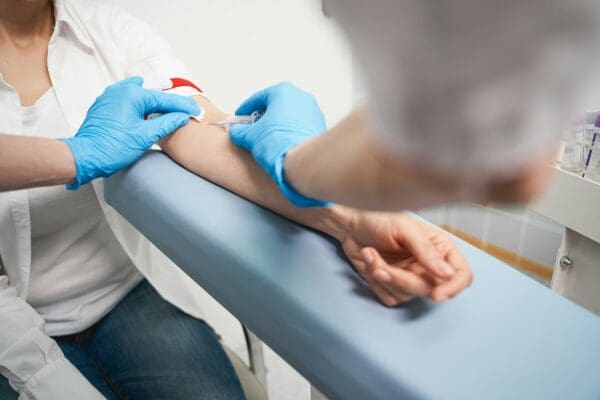
Often seen as less important, the preparation and setup process is indeed the “unsung hero” of plasma donation. Following screenings, the staff prepares donors for extraction, which includes setting up equipment and locating a suitable vein for donation. Seasoned donors understand that this phase can take an additional 10 to 20 minutes, and each clinic may have different levels of efficiency. Factors like staffing shortages or equipment availability can play a role here. Have you considered the skill involved in pinpointing that vein?
This step morphs the room into a collaborative environment, where donor, nurse, and technology work in tandem. Every minute spent here contributes to a smoother extraction process.
Average Donation Duration: Beyond Just the Chair Time
Actual Plasma Extraction: Minutes Matter
When it comes to the extraction itself, this phase usually occupies around 45 minutes to an hour. It’s where the “real action” unfolds. Yet, don’t confuse the lengthy time with inactivity. The process involves drawing blood, extracting plasma, and returning red blood cells and platelets to the donor. Many newcomers might ask, how long does it take to give plasma? It’s a vital segment—not just idle time in a chair. Technicians oversee the entire procedure exclusively to ensure it goes smoothly. It’s a high-pressure scenario, but that’s where professionalism truly shines.
Grasping these details can provide reassurance to new donors. Each person’s body reacts differently to the donation process, so experiences will vary. Thus, having realistic expectations can ease any unease.
Post-Donation Recovery: Importance for Donors
After plasma donation, the recovery period shouldn’t be overlooked. Many might think they can simply jump up and leave, but that’s a common misconception. Taking a moment to recuperate is crucial. Generally, this phase spans about 15 to 30 minutes. Why this resting period? The body requires time to stabilize after losing fluids. During recovery, donors are urged to hydrate and snack. Getting back to baseline health needs some tender care. This routine can certainly make a significant difference in how donors feel afterward.
The short moments spent recovering can impact how quickly a donor feels back to normal.
Factors Influencing Total Time Spent
Several variables can affect the total time spent at a donation center. First off, location plays a significant role. Some clinics operate like a well-oiled machine, while others may face complications. Additionally, peak donation hours typically result in longer wait times due to high donor turnout. Variations in turnout can also be influenced by the day of the week. Strategic timing can be beneficial—some donors opt to visit during quieter hours to minimize their waiting period.
- Location Efficiency: How well is the clinic managed?
- Staffing Levels: Are there ample trained staff on duty?
- Donor Volume: Is it a busy day?
- Health of Donor: Are there complications that require more time?
These elements greatly affect the overall experience, helping to shape how long donors spend at the center. Acknowledging these factors helps manage expectations better.
Real-World Plasma Donation Experiences
First-Time Donor Insights: From Nerves to Relief
For individuals donating plasma for the first time, the anticipation can stir up a whirlwind of emotions. Initial jitters often fade after encountering the warm clinic environment and friendly staff. While it can feel overwhelming, knowing what to expect can shift anxiety into enthusiasm. New donors frequently express relief during the extraction, which links back to having realistic expectations.
There’s a learning curve involved. That first visit may seem daunting, but it sets the stage for future donations. With each experience, confidence and familiarity grow.
Regular Donors: Efficiency with Experience
Regular donors usually evolve into seasoned veterans of the plasma donation experience. Through repetition, they master the process, enhancing their efficiency at each visit. They often have a good grasp on how long each stage will take—from registration through to recovery. Additionally, returning donors frequently build rapport with the staff, further streamlining their journey.
Here’s what experienced donors typically do to optimize their visits:
- Schedule appointments during quieter hours.
- Stay well-hydrated the day before and on the morning of the donation.
- Familiarize themselves with health metrics and keep necessary documentation handy.
- Make regular donations part of their routine.
As comfort grows through experience, what was once intimidating often becomes a familiar and manageable task.
Unique Situations: What Can Slowing Down Entail?
Occasionally, unique situations may arise during the plasma donation process. Equipment malfunctions or unexpected health concerns can lead to delays. For example, if a donor has hard-to-find veins, locating one may take extra time. Such incidents remind all parties of the complexities involved in plasma donation. Delays can happen, but often they pave the way for improved donor care. Always remember: safety comes first.
Being clear about these scenarios helps prospective donors remain calm even when facing unexpected events. A seamless experience isn’t guaranteed, so being prepared for variations in pace can foster a more positive mindset.
Maximizing Your Plasma Donation Visit
Tips for Streamlining the Process
To encourage the most efficient donation experience, donors might take into account a few best practices. The aim is to promote a smooth process. Simplicity and preparation are crucial. Those who plan ahead typically reduce their overall time spent. Focus on the following strategies:
- Arrive at the clinic well-hydrated and healthy.
- Familiarize yourself with clinic policies, especially regarding required documentation.
- Consider scheduling a fast-track appointment during busy periods.
- Dress in comfortable clothing to facilitate the setup process.
These simple steps can significantly hasten the donation process, improving the experience for all involved.
Using Technology: Appointment Systems and Reminders
In an increasingly tech-driven world, many plasma centers have embraced modern systems to streamline the donation experience. Online appointment scheduling transforms the unpredictability of walk-ins into organized, manageable visits. Donors can select times that best suit their schedules, often leading to reduced wait times. Timely reminders prior to appointments also bolster accountability and decrease no-shows.
Integrating these systems into routine practices can serve as a vital tool in enhancing donation efficiency and predictability.
Health Considerations to Speed Up Donation
Health factors are critical for donors looking to maximize plasma donations. Maintaining a healthy lifestyle, including adequate hydration and nutrition prior to visits, is strongly encouraged. Consuming iron-rich foods can help maintain necessary levels, facilitating efficient donation. Well-prepared donors usually experience shorter processing times alongside a more pleasant donation experience.
Moreover, staying informed about clinic policies can offer donors valuable insights into what to expect during visits. Confidence often breeds from thorough preparation, a mantra many donors adhere to.
Plasma donation is a complex process that demands time, careful attention, and a solid commitment to health. Delving into the timeline aids in providing clarity, equipping donors with the knowledge needed for a satisfying contribution. The societal benefits linked with plasma donation are immense, highlighting the profound collective impact formed even by a single donor’s time. By prioritizing these aspects, a more streamlined experience can be established, benefiting donors while producing life-saving results.
FAQ
How often can a person donate plasma?
Generally, donors can give plasma every 28 days. This cycle ensures the body has sufficient time to replenish plasma levels. Regular donations keep donors engaged, contributing to a steady supply for those in need.
What should a donor eat before donating plasma?
Experts suggest eating iron-rich foods like leafy greens, red meat, and legumes while also ensuring proper hydration. A balanced meal beforehand can boost energy levels and improve the overall donation experience.
What happens to the plasma after it’s donated?
Post-donation, plasma typically undergoes processing and testing for safety. It’s often used in various medical treatments, including providing clotting factors for patients with hemophilia. Each donation can significantly impact someone’s life.
Can anyone donate plasma?
While many individuals can donate, not everyone meets the criteria. Donors must fulfill specific health and age requirements, generally being at least 18 years old. Each clinic sets its guidelines, making it essential for potential donors to check in advance.
Are there risks associated with plasma donation?
In general, plasma donation is safe, though minor risks like bruising or dizziness may occur. Professionals monitor donors closely throughout the process to minimize complications, most of which can be quickly addressed.
Is there a difference between blood donation and plasma donation?
Indeed, there is a notable difference. Blood donation involves collecting whole blood, while plasma donation focuses solely on extracting plasma, with red blood cells and platelets returned to the donor. Each method addresses different medical needs.
How long should a donor expect to wait at the clinic?
Wait times can differ, often shaped by clinic efficiency, staffing levels, and the volume of donors. On average, donors should anticipate a total visit time of around two hours, covering registration through recovery.
Can plasma donation impact a donor’s health negatively?
When conducted correctly under professional supervision, plasma donation should not negatively affect health. Staying hydrated and adhering to pre-donation guidelines can help minimize discomfort, ensuring a positive overall experience.