Hazardous Waste Disposal
Hazardous waste, by its nature, poses a significant threat to both public health and the environment. The United States generates nearly 530,000 tons of hazardous waste daily, necessitating stringent management and disposal measures. Companies and individuals alike must be aware of the risks and responsibilities associated with handling these materials.
Understanding the nuances of hazardous waste disposal is not just a legal obligation; it’s a moral imperative to ensure the well-being of our communities and planet. In this article, we explore the critical aspects of this process, from identification to innovations in disposal methods.
Recognizing Hazardous Waste for Proper Disposal

Identifying whether a substance is hazardous waste is the first step towards responsible disposal. Key characteristics of hazardous waste include ignitability, corrosivity, reactivity, and toxicity. These properties pose risks such as fires, chemical burns, explosions, and health hazards.
One notable example is used electronics, which may contain lead, mercury, and other hazardous substances. Disposal of these items must be handled with care to prevent environmental contamination and human exposure. Labels on products and safety data sheets can provide critical information on the hazardous components within.
For actionable guidance, it’s vital to conduct a waste assessment to determine the waste’s hazard class. This should involve consulting the Environmental Protection Agency’s (EPA) definitions and categories of hazardous waste, which can help in making informed decisions on management and disposal.
Legal Framework Surrounding Hazardous Waste Management
The Resource Conservation and Recovery Act (RCRA), established by the EPA, sets the groundwork for proper hazardous waste management in the United States. The RCRA framework categorizes waste, sets waste management standards, and outlines procedures for safe disposal.
RCRA guidelines mandate that generators of hazardous waste comply with specific handling, storage, treatment, and disposal requirements. Violations can result in substantial penalties, emphasizing the importance of adherence to these standards for businesses and individuals.
Staying compliant involves keeping abreast of legal changes and updates, and possibly consulting with environmental lawyers or waste management specialists. Companies should implement regular training for staff and establish clear protocols for handling hazardous waste.
Best Practices for Disposing of Hazardous Materials Safely
Best practices in hazardous waste disposal revolve around the principles of reduce, reuse, recycle, and recover. Minimizing the amount of waste generated is the most effective way to reduce the risk of harm. Secure containment and labeling are also vital until the waste can be properly treated or disposed of.
Safe disposal methods depend on the type of hazardous waste. For example, incineration is suitable for medical waste, while chemical wastes might require neutralization or stabilization before disposal. hazardous waste disposal Contracting waste disposal services specialized in handling hazardous materials can ensure that these processes comply with all safety protocols.
Businesses can seek certification in environmental management systems such as ISO 14001 to demonstrate their commitment to safe and sustainable waste disposal. Moreover, investing in employee education on proper segregation and disposal can prevent accidental contamination or injuries.
Innovations in Hazardous Waste Treatment and Disposal Methods
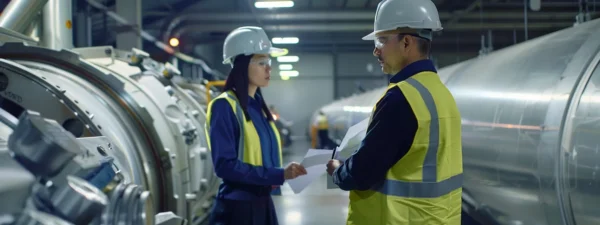
Technological advancement is paving the way for more efficient hazardous waste treatment and disposal. For instance, advanced thermal treatment technologies, such as plasma arc recycling, can safely break down complex waste materials at high temperatures.
Newer biological treatment methods leverage microorganisms to neutralize hazardous elements, turning them into less harmful substances. Bioremediation technologies like these have the potential to transform waste management and minimize environmental impact significantly.
Companies should pay close attention to these emerging techniques, which offer more sustainable disposal options. Staying informed about industry trends can help businesses integrate these innovations into their waste management strategies, leading to improved environmental performance and regulatory compliance.
In conclusion, effective hazardous waste disposal requires a comprehensive understanding of material characteristics, strict adherence to legal frameworks, and the implementation of best practices. By staying informed and embracing new technologies, businesses can significantly mitigate the risks associated with hazardous waste and contribute positively to environmental protection efforts.