Fertility Preservation: Egg and Sperm Freezing Explained

Fertility preservation offers a proactive solution for those wishing to secure their reproductive future. Egg and sperm freezing provide individuals faced with medical treatments or life circumstances that may impact fertility the option to extend or delay their chances of parenthood. Both procedures have advanced significantly in recent years, allowing more people to take control of their family-building decisions. Learn more about how these methods can fit into your family planning journey.
With the growing awareness of these fertility options, understanding the processes, advantages, and limitations of egg and sperm freezing is crucial. These treatments are not only beneficial for those hoping to delay parenthood for personal or career-focused reasons, but they also offer hope to patients facing illnesses or interventions threatening their fertility.
Deciding to undergo fertility preservation is a major step, and being informed about what to expect can make the process less intimidating. This article breaks down each method, highlighting the practical aspects and key considerations you should know.
Thanks to medical advances, the success rates for fertility preservation continue to climb, offering a greater chance of building a family in the future. It is essential that anyone considering these options has a clear understanding of what is involved, including legal factors and costs, as well as long-term outcomes.
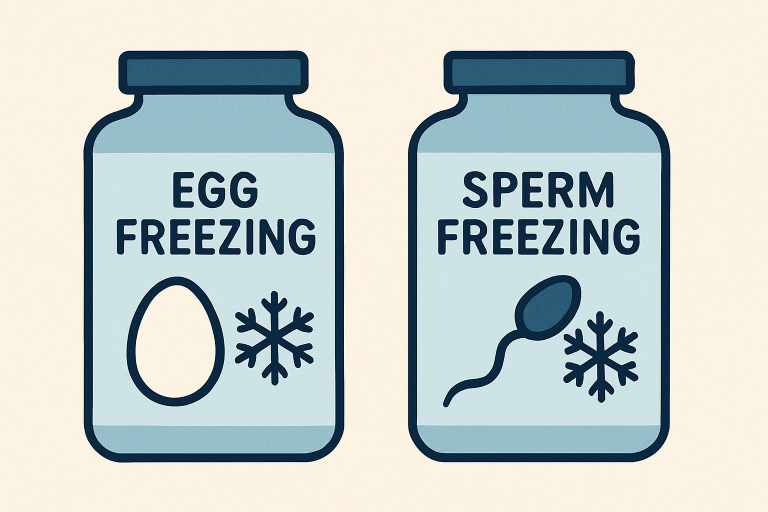
Understanding Egg Freezing
Egg freezing, or oocyte cryopreservation, allows women to harvest and store their eggs unfertilized for future use. This method is vital for women planning to postpone childbearing or those compelled by health conditions such as impending chemotherapy. It offers reassurance and options at a later date, especially when natural fertility may have declined due to age or medical treatment.
The Process of Egg Freezing
- Ovarian Stimulation: Women begin by taking hormone injections that encourage their ovaries to produce multiple eggs simultaneously, rather than the usual single egg per cycle.
- Egg Retrieval: When the eggs reach full maturity, they are collected from the ovaries through a minimally invasive procedure conducted under light sedation.
- Vitrification and Storage: The eggs are then rapidly frozen using a process called vitrification. This prevents ice formation, which can damage cells, thus maximizing long-term viability when the eggs are thawed for future use.
Success Rates and Considerations
Success rates for egg thawing and fertilization have risen sharply with improved vitrification techniques. Recent studies suggest post-thaw survival rates near 90 percent and pregnancy rates above 55 percent per cycle in younger patients. However, factors such as age at freezing and the overall health of the eggs strongly influence outcomes.
Understanding Sperm Freezing
Sperm freezing, also called sperm cryopreservation, provides men with a reliable way to store sperm for later use. It is particularly relevant for those undergoing treatments like radiation or chemotherapy that can affect fertility or for men electing to have a vasectomy. Sperm can also be banked before military deployment or prior to transitioning for transgender women.
The Process of Sperm Freezing
- Collection: Sperm is usually collected via masturbation at a clinic. In some cases, surgical extraction is used for men who are unable to ejaculate or have very low sperm counts.
- Processing: The sample is evaluated for quality. Special substances called cryoprotectants are added to safeguard the sperm during freezing.
- Freezing and Storage: The sperm is placed in vials or straws and submerged in liquid nitrogen at extremely low temperatures, where it remains viable for decades.
Success Rates and Considerations
Sperm freezing is a routinely successful and trusted part of reproductive medicine. According to experts such as those at Mayo Clinic, most sperm can survive freezing and thawing well, with quality maintained even after many years of storage.
Legal and Ethical Considerations
Fertility preservation is governed by a web of legal and ethical frameworks that differ across jurisdictions. For example, elective egg freezing was legalized in France in 2021, but resource constraints have limited access and lengthened waiting times. Some countries also impose age limits or require specific consent protocols for the future use of stored gametes. Understanding local rules and potential challenges is especially important for those facing time-sensitive decisions.
Financial Aspects
Cost is a significant consideration for anyone interested in fertility preservation. The price of egg freezing ranges from $12,000 to $25,000 per cycle, with additional costs for annual storage. Sperm freezing is more affordable, often totaling several hundred dollars initially, with recurring low storage fees. Some employers, such as major tech firms, now offer fertility coverage in employee benefit packages, reflecting a broader social shift toward supporting reproductive autonomy.
Conclusion
Egg and sperm freezing provide essential reproductive flexibility for a diverse range of individuals. The combination of advanced medical techniques, informed decision-making, and personalized support means more people than ever have access to these services. By understanding how each procedure works, the legal and financial landscape, and the factors that influence success rates, individuals can make empowered choices about their family-building future. Talking to a fertility specialist is the best way to tailor a preservation strategy to your unique needs, ensuring all options and challenges are fully explored.