Effective Strategies to Reduce Truck-Related Accidents in Urban Areas

Urban areas pose complex risks for truck drivers, pedestrians, and cyclists alike. Streets are dense, traffic patterns change quickly, and vulnerable road users share limited space with heavy vehicles. Implementing targeted solutions not only makes city environments safer but also prevents injuries and deaths. If you or someone you know has been impacted by a truck accident, consulting a truck accident lawyer in Santa Ana could provide important legal guidance. Cities worldwide are exploring various ways to mitigate hazards posed by urban truck traffic. By prioritizing safety infrastructure and comprehensive policies, communities can foster greater protection for all. These measures combine technology, advocacy, enforcement, and proactive planning to minimize risks for drivers and the public.
Implementing Truck Side Guards
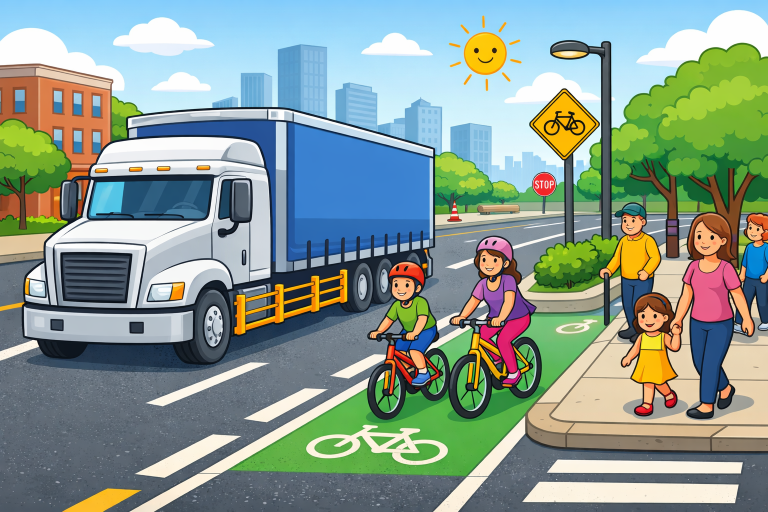
Side guards are barriers between large trucks’ wheels to prevent pedestrians and cyclists from being run over during collisions. Boston and other cities require these guards, leading to fewer fatalities. Stricter standards and education campaigns are increasing safety awareness and compliance. Trucking companies see safety upgrades as beneficial for reputation and liability. As more cities adopt these measures, industry-wide improvements in urban safety are emerging.
Designating Specific Truck Routes
Restricting trucks to specific urban routes effectively keeps high-risk vehicles away from pedestrian-heavy and residential areas. Houston, for instance, created a citywide truck map that limits 18-wheelers to certain corridors, allowing diversions only for local deliveries. This separation reduces conflicts with other road users, protects neighborhoods, and makes freight movement more efficient. Truck routes also promote predictable traffic flow, aiding emergency responders, buses, and deliveries. Well-marked routes benefit local businesses by easing freight access and reducing navigation challenges. Regular reviews and community input help keep these routes adaptable to changes in the city, population shifts, and logistical needs.
Adopting Advanced Safety Technologies
Modern truck design improvements are vital for city safety. The ‘direct vision’ cab provides a lower view, reducing blind spots and improving awareness of pedestrians, bikers, and small vehicles. Additional tech, such as collision sensors and warning systems, enhances safety by alerting drivers to potential hazards. Real-time fleet tracking and telematics help monitor vehicle behavior and address risky practices through driver coaching. Enhanced mirrors, cameras, and 360-degree sensors boost situational awareness in urban traffic, supporting ‘Vision Zero” aims to eliminate traffic fatalities.
Conducting Regular Enforcement Operations
Safety standards are only effective if they are consistently enforced. Routine audits and surprise compliance checks ensure trucks operating in cities meet regulatory requirements. National campaigns like Operation SafeDRIVE have set a precedent by removing unsafe trucks and drivers from active duty, significantly reducing accident risks. Local police departments and transportation agencies can collaborate on targeted enforcement, issuing warnings and citations when necessary. Data-driven enforcement is also gaining ground, with agencies using crash data, citizen reports, and violation statistics to direct resources to areas with the highest risk. By visibly enforcing laws in known trouble spots, authorities send a strong signal to trucking companies and drivers that city safety rules must be respected. Transparency in reporting violations and outcomes boosts public trust, making enforcement an integral component of any comprehensive urban truck safety program.
Enhancing Driver Training and Awareness
Successfully navigating urban streets requires special skill and constant attention. Truck driver training programs should include a curriculum on adapting to city challenges, understanding local traffic rules, and managing narrow passages. Emphasizing pedestrian monitoring, obeying all posted traffic controls, and using available safety equipment can further reduce the risk of accidents. Cities can work with trucking companies to promote these standards and incentivize participation in advanced courses. Refresher courses and simulations based on real-world incidents can further cement safe practices amongst professional drivers. Driver certification programs with tiered qualification standards recognize advanced urban safety proficiency. This approach, combined with outreach to raise awareness about the latest technologies and rules, can help drivers feel supported rather than penalized, leading to greater buy-in and lower accident rates.
Improving Infrastructure and Signage
Infrastructure solutions such as reinforced signage and wider turning radii help accommodate large trucks and improve road safety. In New York City, “All Trucks Must Exit” signs on the FDR Drive have sharply reduced over-height vehicle strikes. Upgraded intersections and clear signage guide vehicles properly, reducing confusion. Cities experiment with truck loading zones, rumble strips, and pedestrian islands to protect vulnerable users. Adaptive signal timing prioritizes trucks on routes, smoothing traffic and preventing bottlenecks. As urban density grows, thoughtful infrastructure upgrades are vital for long-term truck safety.
Encouraging Community Engagement
Community input is essential for identifying hazards, as municipal agencies can establish channels for residents to report truck safety issues. Feedback helps city officials address problem areas and devise solutions rooted in local experiences. Safety campaigns and community workshops promote awareness of truck dangers and foster discussions among vulnerable road users, delivery drivers, and engineers. Engaging the community enhances safety initiatives and nurtures a culture of concern for road users’ wellbeing. Transparency allows cities to respond effectively to threats, while coordinated strategies among leaders and advocates promote safe coexistence between trucks and residents, ultimately reducing accidents and improving urban road safety.
Conclusion
Improving urban truck safety requires a coordinated approach that combines stronger regulations, advanced vehicle technology, infrastructure improvements, effective enforcement, and active community involvement. By implementing measures such as side guards, designated truck routes, enhanced driver training, and smarter roadway design, cities can reduce collisions and create safer environments for pedestrians, cyclists, and drivers alike. Continued collaboration between government agencies, trucking companies, and local communities will remain essential as urban areas grow and transportation demands evolve. Through proactive planning and consistent investment in safety initiatives, cities can support efficient freight movement while prioritizing the wellbeing of everyone who shares the road.