Effective Strategies for Managing Stinging Insects at Home
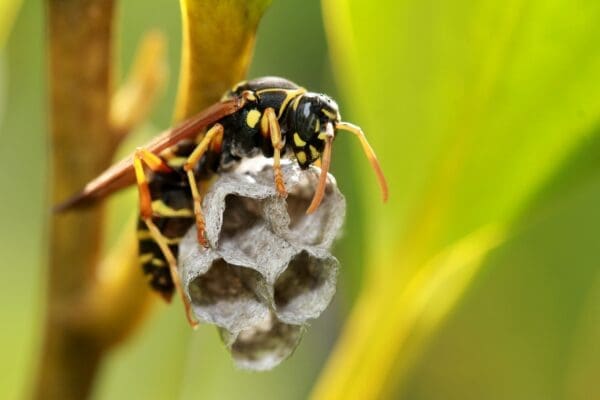
Stinging insects such as bees, wasps, and hornets are not only a common nuisance around homes but can also pose health risks through their painful stings and potential allergic reactions. For homeowners seeking to maintain a safe and enjoyable living space, understanding the most effective approaches for managing these insects—including stinging insect control—is crucial.
Whether you’re concerned about young children, pets, or seek to avoid the anxiety of unexpected stings, implementing preventive and responsive strategies can make all the difference. When done effectively, these steps minimize risks and ensure your home remains a comfortable haven throughout the warmer months.
In this guide, you’ll learn about the types of stinging insects most frequently encountered, proactive measures to safeguard your property, and the best responses to both minor issues and emergent threats. These strategies can help you confidently address invasions before they become a significant problem.
Identifying Common Stinging Insects
Spotting and accurately identifying stinging insects is the first step in formulating a management plan. Here are the species homeowners most frequently encounter:
- Bees: Often seen around flowers or in gardens, bees such as honeybees and bumblebees are vital pollinators but can become problematic when nesting in wall voids, sheds, or near doorways.
- Wasps: Wasps like yellow jackets and paper wasps favor nesting in eaves, attics, and under decks—boards and rooflines offer protection from the elements.
- Hornets: Noted for the aggressive defense of their large, carton-based nests, hornets build in trees, shrubs, or attached to structures.
Each species exhibits unique nesting preferences. For example, ground-nesting bees and wasps tend to favor bare or sandy patches, while social species, such as hornets, often form aerial nests using chewed fibers.
Preventive Measures to Deter Stinging Insects
Preventing stinging insects from settling on your property is far easier than removing established nests. A strong prevention strategy starts with sealing entry points by inspecting your home each spring and fall and closing cracks, gaps, and crevices in siding, foundations, and around windows with durable, weatherproof sealant. Keeping outdoor areas clean is just as important, as spilled food and uncovered trash can quickly attract foraging wasps and hornets, so compost, recycling, and garbage bins should always be tightly secured. Thoughtful landscaping can also help discourage activity, with insect-repelling plants such as mint, eucalyptus, and citronella placed near patios and entryways. For homeowners who want added peace of mind, guidance from professionals like Keystone Pest Solutions LLC can help ensure these preventive steps are done correctly and consistently. Finally, removing clutter such as woodpiles, brush, and unused garden items eliminates potential nesting sites, making regular property upkeep one of the most effective ways to deter stinging insects.
Safe Removal of Nests
Discovering a stinging insect nest on your property can be alarming. Safe removal includes the following process:
- Assess the Situation: Observe the nest from a safe distance to determine the species, size, and accessibility. Small, early-stage nests in open, reachable areas can sometimes be tackled by homeowners.
- Use Appropriate Equipment: Don protective attire—long sleeves, closed shoes, gloves, and a face mask. Select insecticides with labels specifically targeting wasps, hornets, or bees, and always apply them at dusk or dawn, when insects are less active and inside their nests.
- Exercise Caution: For nests that are large, concealed (inside walls or attics), or involve aggressive species, professional removal is strongly recommended. Attempting DIY removal in such scenarios can result in numerous stings and trigger severe allergic reactions.
Handling Stings and Allergic Reactions
Most insect stings are simply uncomfortable, but seeking prompt first aid can help reduce complications. Recommended steps after a sting include:
- Remove the Stinger: If visible, carefully sweep the stinger out with a fingernail or dull edge to avoid squeezing more venom into the wound.
- Clean the Area: Use mild soap and water to clean the site, reducing the risk of infection.
- Apply Ice: Wrap a cold pack or ice in a cloth and press it against the sting to limit swelling and pain.
Monitor the victim—especially children, the elderly, and those with known allergies—for symptoms such as extensive swelling, difficulty breathing, or hives. These can indicate anaphylaxis, which is a medical emergency. Call 911 or seek immediate attention if symptoms escalate.
When to Seek Professional Help
Enlisting pest control professionals becomes necessary in several situations, including:
- The presence of large nests or numerous colonies around the home.
- Nesting sites that are within walls, high in trees, or in other inaccessible areas.
- Previous sting incidents or family members with bee or wasp allergies.
Professional exterminators have access to specialized equipment, technical expertise, and safe insecticides, which significantly improve outcomes and ensure the thorough elimination of the problem.
Conclusion
Managing stinging insect risks at home requires early identification, effective prevention tactics, and safe, responsive actions. For every homeowner, adopting these strategies provides not just relief from immediate concerns but also a longer-term safeguard for household health and enjoyment throughout the active season.