Designing High-Privacy Restrooms for Modern Workplaces
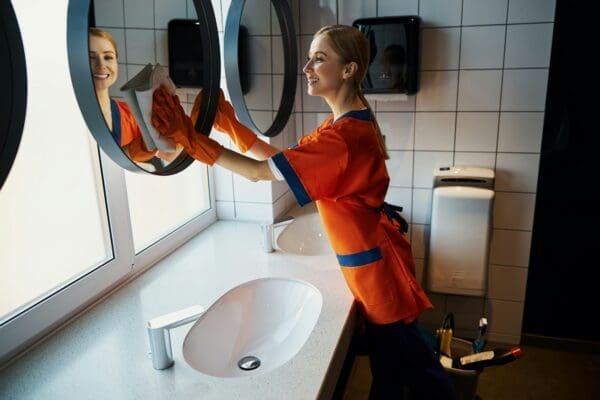
Okay so here’s something that bugs me. You’re at work, right? Nature calls. You head to the bathroom. And then… those gaps. You know exactly what I’m talking about. That weird half-inch space between the door and the frame where you can literally make eye contact with someone walking by. Why? Why is this still a thing in restrooms for modern workplaces?
I’ve thought about this way more than I probably should. But honestly, it matters. People spend like a third of their lives at work. Maybe more if you’re one of those hustle culture folks. And when you need to use the bathroom, you deserve to not feel like you’re in some weird fishbowl situation. That’s not asking for much.
The good news? Things are finally changing. Companies are waking up to the fact that restrooms for modern workplaces need actual privacy. Not that fake privacy where there’s technically a door but everyone can still see your shoes and, well, other stuff. Real privacy. The kind where you can just… exist in peace for a minute. Take a breath. Check your phone. Whatever.
And look, this isn’t just me complaining. There’s actual data showing that bathroom quality affects how employees feel about their jobs. Weird right? But also… not weird at all when you stop and think about it.
Why Everyone’s Suddenly Talking About Bathroom Privacy
So what changed? I mean, we’ve had these gap-filled bathroom stalls for decades. Nobody seemed to care that much. Or maybe they did care but just… didn’t say anything? That’s probably it, actually.
But now there’s this whole conversation happening around employee experience. HR departments are paying attention to stuff they never used to think about. And guess what keeps coming up in those anonymous workplace surveys? Bathrooms. People have feelings about bathrooms. Strong ones.
Here’s what’s driving this shift:
- The whole wellness thing. Companies throw money at standing desks and meditation rooms but forget that the bathroom is part of the picture too. A private bathroom is basic dignity stuff.
- Diverse workforces need different things. Trans employees, people with certain medical conditions, folks who just value their privacy more than average. High-privacy designs work better for everyone.
- Clients notice this stuff. Had a friend tell me she judged a whole company based on their bathroom. Said if they couldn’t get that right, what else were they cutting corners on? Harsh but… she’s not wrong.
What Actually Makes a Bathroom Private
Alright let’s get into the practical stuff. Because saying you want more privacy is one thing. Actually getting it is another. I’ve looked into this way too much.
Those Gaps Need to Go
First thing. Those gaps between the door and the frame. They exist because old partition systems just… weren’t precise. Manufacturing tolerances or whatever. But we don’t have to accept that anymore.
ASI Global Partitions actually solved this with something they call Integrated Privacy. I know that sounds like marketing speak but hear me out. Instead of adding strips or covers after the fact, the privacy features are built into how the partition is made. The doors and pilasters just… fit. Like they’re supposed to. No light coming through. No awkward moments. It’s the way restrooms for modern workplaces should work.
Full Height Is Where It’s At
Here’s another option that’s getting popular. Floor to ceiling partitions. The name says it all. Walls that actually go all the way up and all the way down. Revolutionary, I know.
I’ll be honest though. These cost more. Sometimes a lot more depending on what you get. But for executive floors or visitor-facing areas? Probably worth it. You want your CEO’s bathroom to have gaps in it? Yeah didn’t think so.
Picking Materials That Actually Hold Up
Okay this is where it gets kinda nerdy but stay with me. The stuff your partitions are made of matters more than you’d think. Different materials handle different situations better.
Phenolic Is the Gold Standard
If you want something that’ll last basically forever and handle moisture like a champ, phenolic is your answer. It’s this dense material that doesn’t really care about water, scratches, or people trying to draw on it.
ASI Global Partitions makes two types worth knowing about:
- Black Core Phenolic is great for places that get wet. Locker rooms, pool areas, that kind of thing. Comes with a 25-year warranty which is kind of insane when you think about it. Class B fire rating. Costs about double what basic steel partitions cost.
- Color-Thru Phenolic takes it further. The color goes all the way through the material. So if someone scratches it, you don’t see a different color underneath. Class A fire rating on this one. Same 25-year warranty. Costs more but if vandalism is an issue it might be worth it.
Both work with Maximum Privacy setups. That’s the zero-sightline configuration where you literally cannot see through any part of the stall. Pretty nice for restrooms for modern workplaces that take privacy seriously.
Solid Plastic HDPE
This is another solid option. And yes, I realize I said solid twice there. HDPE stands for high-density polyethylene, which is a fancy way of saying really tough plastic.
What I like about HDPE is you never have to paint it. Ever. It won’t rust, obviously, because it’s plastic. Doesn’t dent easily. Moisture and mildew just bounce right off. ASI backs these with a 25-year warranty too. Twenty-five years. Think about that. Your bathroom partitions could outlast your career at that company.
Oh, and they have woodgrain finishes now. So you can get that warm, organic vibe without worrying about actual wood getting destroyed by bathroom humidity. There’s something about wood tones that makes a space feel less industrial, you know? The No-Sight Privacy Strips help close up any remaining gaps.
Powder-Coated Steel for Tighter Budgets
Look, not everyone has unlimited money to spend on bathroom partitions. I get it. That’s where powder-coated steel comes in. It’s the most affordable option by far.
Now before you think affordable means cheap and bad, hold on. These are built on galvannealed steel with a tough thermoset coating. The finish handles wear and cleaning pretty well. And with ASI’s Integrated Privacy design, you still get good privacy. Warranty is shorter at 3 years, but for standard office bathrooms, that’s usually fine.
Privacy Features Worth Knowing About
So we’ve covered materials. But there are specific privacy technologies that make a huge difference. This is where ASI Global Partitions really stands out, honestly.
Integrated Privacy Technology
I mentioned this before, but it deserves more explanation. Integrated Privacy means the privacy stuff is baked into the design from the start. The doors and pilasters come out of the factory as color-matched units that fit together perfectly. No aftermarket add-ons needed.
This matters because retrofitted privacy strips often look… retrofitted. You can tell they were added later. Integrated Privacy just looks like a well-designed partition should look.
Maximum Privacy Configurations
Want to go full privacy mode? Maximum Privacy is available on phenolic partitions and delivers zero sightlines. None. Zip. You cannot see through any part of the stall from any angle.
For healthcare facilities or corporate HQs where privacy really, really matters, this is what you want. It costs more, but sometimes there’s no substitute for the real thing.
European Style Options
Here’s something interesting. European bathrooms have always been more private than ours. Like way more private. People who travel notice this immediately. You use a bathroom in Germany or France, and you’re like wait, this is how it’s supposed to be? Why have we been doing it wrong this whole time?
The ASI Alpaco Collection brings that European approach to American manufacturing. It’s basically taking what works over there and making it available over here. These partitions use 13mm thick phenolic. Doors and pilasters meet in a flush rebated closure. Self-closing doors that actually close properly. Stainless steel pedestals for a modern look. They’re built for restrooms for modern workplaces that want to make a statement about quality.
Don’t Forget About ADA Stuff
Quick sidebar. Privacy is great but your bathrooms still need to meet ADA requirements. The good news is you don’t have to choose between privacy and accessibility. Good partition systems handle both.
ASI actually introduced the ADA paddle handle latch back in 1992. One of the first in the industry. These handles make doors easy to operate for everyone regardless of physical ability. Modern systems also include occupancy indicators so you can tell if a stall is in use without that awkward crouch-and-peek thing.
Real Projects That Got This Right
Theory is nice but examples are better. Here’s some actual places that nailed their bathroom privacy. Real projects with real challenges.
PENN 2 Building in NYC. This massive renovation needed partitions that could handle tons of traffic while looking sleek enough for Manhattan. High-end office space, demanding tenants, lots of foot traffic. They went with premium phenolic from ASI. The result matched the building’s overall vibe perfectly.
Nashville International Airport. Airports are brutal on bathrooms. Millions of people passing through, constant use, cleaning crews with industrial equipment going at them daily. Durability mattered as much as privacy here. ASI’s partitions held up while keeping travelers comfortable during layovers and connections.
Mercedes-Benz Stadium in Atlanta. Sports venues are another tough environment. Huge crowds showing up all at once during events. Halftime bathroom rushes are legendary for a reason. They used European-style phenolic partitions. Durable enough for game days, private enough for everyone from season ticket holders to first-time visitors.
Beaumont Hospital NICU. Healthcare settings have special needs that most people don’t think about. Parents spending days or weeks at the hospital deserve comfortable private spaces. Staff need to decompress. The partitions here met strict healthcare standards while maximizing privacy. Sometimes the small comforts matter most during hard times.
How to Actually Plan This
Okay so you’re convinced. Privacy matters. Better partitions exist. Now what? Here’s roughly how to approach upgrading your restrooms for modern workplaces:
- Walk your current bathrooms. Note every gap, worn spot, and privacy fail. Take pictures. You’ll need them when getting quotes.
- Figure out what matters most. Do all bathrooms need maximum privacy? Or just certain high-profile areas? This affects the budget significantly.
- Think about your environment. Heavy moisture? High traffic? Risk of vandalism? Different materials handle these differently.
- Consider the look you want. Phenolic comes in lots of colors. HDPE has woodgrain options. Match your office aesthetic.
- Talk to the experts. ASI Global Partitions has reps who can help navigate options. They also have specification tools and design studios to make planning easier.
Bottom Line
Here’s where I land on all this. Bathroom privacy shouldn’t be a luxury. It should just be… standard. The fact that we’ve accepted gap-filled stalls for so long is kind of wild when you think about it. We expect privacy everywhere else. Why not here?
The technology exists to do better. ASI Global Partitions and other manufacturers have figured this out. From budget-friendly powder-coated steel with built-in privacy to full European-style phenolic systems with zero sightlines. Options exist at every price point. There’s no excuse anymore for those awkward gaps.
Investing in better bathroom privacy is really about respecting the people who use your facilities. Employees notice these things even if they don’t say anything. Visitors definitely notice. And in a world where everyone’s fighting for talent and trying to make good impressions, these details matter more than you might think.
The ROI on bathroom upgrades isn’t always easy to measure. But ask yourself this. What message do those gaps in your bathroom stalls send? That cutting corners is okay? That employee comfort isn’t worth investing in? Compare that to walking into a bathroom with proper privacy, where everything fits together as it should.
So whether you’re building new or upgrading old restrooms for modern workplaces, put privacy on the list. Your people will thank you for it. Even if they never actually say anything. Some things don’t need to be said out loud.
Frequently Asked Questions
Why do American bathroom stalls have gaps anyway?
Honestly? It’s mostly about cost and manufacturing ease. Older partition systems had wide tolerances because precision costs money. The gaps also help with ventilation and let you see if a stall is occupied. But modern restrooms for modern workplaces are ditching this approach because we have better options now. Occupancy indicators show if stalls are in use. HVAC handles ventilation. The gaps just aren’t necessary anymore.
What material works best for high-privacy partitions?
Phenolic is usually the top choice if budget allows. Super durable, handles moisture well, supports zero-sightline configurations. ASI Global Partitions offers Black Core and Color-Thru Phenolic with 25-year warranties. If budget is tighter, powder-coated steel with Integrated Privacy still delivers solid privacy at a lower cost.
How much more do high-privacy partitions cost?
Using powder-coated steel as baseline at 100, phenolic runs about 200-250. HDPE sits around 190. Plastic laminate with Moisture Guard is about 110. So yes, more expensive upfront. But 25-year warranties versus 3-year warranties means the long-term cost picture looks different. Less replacement, less hassle.
Can I add privacy to existing bathrooms?
Yeah you can retrofit with No-Sight Privacy Strips on existing partitions. It helps. But honestly for best results, replacing old partitions with new Integrated Privacy designs usually makes more sense. The retrofit approach is a band-aid. Full replacement is the actual fix.
Are high-privacy partitions ADA compliant?
Yep. Good manufacturers like ASI Global Partitions design their privacy partitions to meet ADA requirements. Paddle handle latches, proper door widths, correct mounting heights. You don’t have to sacrifice accessibility for privacy. Modern systems do both.
How long do quality partitions actually last?
Quality phenolic and HDPE partitions? Decades. ASI gives 25-year warranties on those materials. Powder-coated steel gets 3 years. Stainless steel gets 5 years. So material choice affects not just cost but also how often you’ll be dealing with replacements.
Which mounting style is most private?
Floor-to-ceiling anchored is the most private since there are no gaps at top or bottom. Floor anchored with overhead bracing is a good middle ground that costs less. The key though is choosing partitions with built-in privacy features like Integrated Privacy. The mounting style matters less if the doors and panels themselves have gaps.
There you go. Everything worth knowing about bathroom privacy for workplaces. The gap-filled stall era is ending. And honestly it’s about time.