Explore the Ultimate Desert Safari in Saudi Arabia
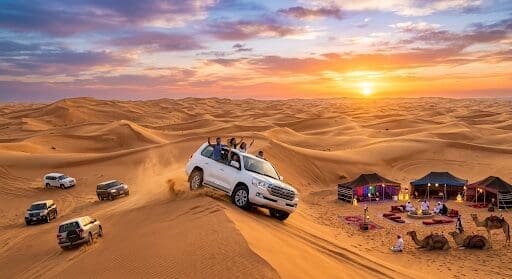
The Kingdom of Saudi Arabia offers some of the most breathtaking desert landscapes in the world, from the golden dunes near Riyadh to the red sands outside Jeddah. Visitors enjoy camel rides, 4×4 dune bashing and quad biking in the heart of Arabia for a thrilling, once-in-a-lifetime experience. And for British Muslims, a desert safari fits perfectly at the end of a pilgrimage — many travellers now choose Affordable Umrah packages UK agencies offer that combine worship in Makkah and Madinah with a day or two exploring the desert afterwards.
What is a desert safari in Saudi Arabia?
A desert safari in Saudi Arabia is a guided trip into the dunes that typically includes dune bashing, camel rides, sandboarding, traditional Bedouin food and stargazing. Safaris run in the morning, evening or overnight, and the best season is October to March, when temperatures are cool and comfortable.
Top deserts in the Kingdom
Saudi Arabia is home to some of the most impressive deserts on earth. The vast Rub’ al Khali (the Empty Quarter) is the largest sand desert in the world, while the dramatic cliffs of the Edge of the World sit just outside Riyadh. The Thumamah desert near Riyadh and the red dunes around Jeddah are the most popular spots for short safaris, storytelling evenings and cultural experiences. Best of all for pilgrims, the Jeddah dunes are close to Makkah — ideal for travellers who want a short adventure after completing their Umrah.
Types of safari
Saudi Arabia offers different safari experiences to suit every traveller. You can choose a morning, evening or overnight trip, and each one offers something different.
Overnight safari
The overnight safari is the fullest experience of all. Guests camp under a blanket of stars in Bedouin-style tents, enjoy traditional storytelling and cultural performances, and wake to a quiet desert sunrise. The trip usually includes dune bashing, camel rides and stargazing far from city lights. It is the best choice for travellers who want a deeper, more reflective experience — a mix of adventure and calm that suits the mood of a post-Umrah trip beautifully.
Evening safari
The evening safari is the most popular option. Visitors enjoy dune bashing as the heat fades, then watch the sunset turn the red sands gold. The evening usually ends at a traditional camp with Arabic coffee, dates, live music, henna and a Bedouin-style dinner. It packs the most activities into the shortest time, which makes it perfect for families and groups on a tight itinerary.
Morning safari
Travellers looking for a peaceful, refreshing start to the day often choose the morning safari. The ride begins early with dune bashing, camel rides and sandboarding, followed by photography in the soft sunrise light. Families with young children usually prefer the morning trip, as it is cooler, calmer and back at the hotel by midday.
Cultural experiences
A desert safari is not only about adventure. It is a window into the ancient culture and heritage of the Kingdom. Travellers experience genuine Bedouin hospitality, traditional cooking, local handicrafts and stories passed down through generations. Camel rides connect visitors to centuries of Arabian history, when caravans crossed these same sands. For many UK visitors, this cultural side is the most memorable part of the whole trip.
The best time to go and how pilgrims plan around it
The ideal months for a desert safari are October to March, when daytime temperatures are mild and the nights are cool and clear. These months suit dune bashing, camel rides and camping for families, couples, groups and solo travellers alike. Mornings feel fresh and reflective, and the chilly nights make campfire gatherings even more special.
The timing works beautifully for pilgrims too. With Ramadan falling in the cooler months over the next few years, many British families book Ramadan Umrah Packages from UK providers and then stay on for a short desert experience after Eid, combining the spiritual peak of the year with the most pleasant safari season. If you are planning this route, book early: both Ramadan flights and winter safari slots fill quickly.
Wildlife in the desert
The desert is far from empty. On a morning safari you may spot gazelles, desert foxes and lizards moving between the dunes, and in season you can watch migrating birds cross the clear skies. At night, far from city lights, the stargazing is remarkable. Look closely and you will find rare desert plants and delicate rock formations too — proof that the desert is not asleep, but quietly alive.
What to pack for a desert safari
Pack light and pack smart. Bring loose, modest, weather-appropriate clothing, sunglasses, sunscreen and a refillable water bottle. Closed shoes with good grip are far better than sandals on the dunes. Add a light jacket for the evening — desert nights get surprisingly cold — and a camera or fully charged phone for the sunset. Avoid overpacking; a small daypack is all you need.
Travel tips
- Book with a licensed, well-reviewed travel agency.
- Wear your seatbelt during dune bashing and a helmet on quad bikes.
- Carry plenty of water, plus dates or fruit for energy.
- Stay with your group and never wander off without a guide.
- Dress modestly and respect local culture and customs.
- Avoid outdoor activities during the hottest hours of the day.
Common questions
How much does a desert safari in Saudi Arabia cost?
Prices vary by season and type, but evening safaris typically start from around 150–300 SAR (roughly £30–£60) per person, with overnight trips costing more.
Can I add a desert safari to my Umrah trip?
Yes. Many UK travel agencies now offer Umrah packages with an optional safari day near Jeddah or Riyadh after your pilgrimage is complete.
Is a desert safari safe for children?
Yes — the morning safari is the most family-friendly option, with gentler activities and cooler temperatures.
Do I need a separate visa for a safari?
No. Tourist activities like safaris are covered under the standard Saudi visit or Umrah visa arrangements in place for UK travellers, but always confirm current rules with your agency before booking.
Saudi Arabia offers a desert experience unlike anywhere else a rich mix of adventure, ancient tradition and natural beauty. Whether you book a short trip after your pilgrimage or a longer exploration of the Kingdom, a little planning and smart packing will reward you with memories that last a lifetime. The desert gives you more than adrenaline; it connects you with Saudi culture, history and hospitality.
So what are you waiting for? Plan it, pack light, and go.