Common Gate Repair Mistakes Homeowners Make

Keeping your gate secure and functional is vital for property maintenance, as it’s often the first impression for visitors. Improper repairs can lead to costly and unsafe issues, so understanding common mistakes is crucial to achieving lasting reliability. Expert guidance helps prevent future problems, saving money and stress. While some repairs require professionals—especially those involving complex automatic or sliding gates—hiring experts ensures that proper and efficient fixes are made. Using appropriate techniques and maintenance protects your property, enhances security, and offers peace of mind.
Shallow or Improper Post Setting
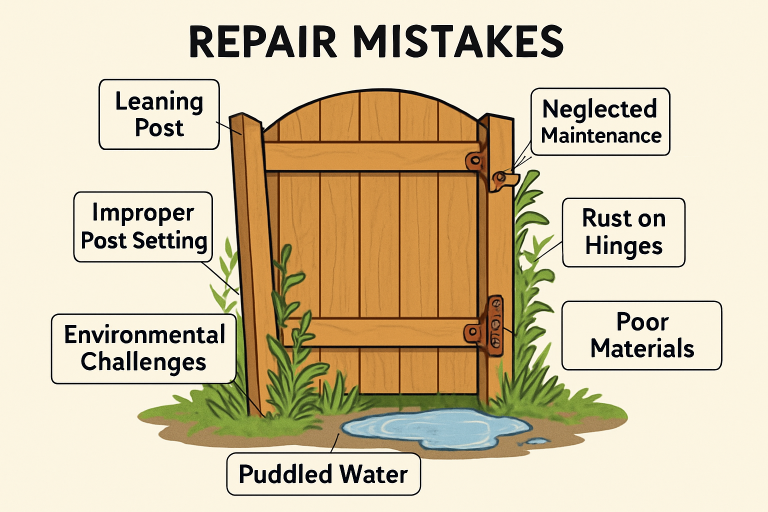
The strength of a gate starts with how its posts are installed. Posts set in ground that’s too shallow or without sufficient support will eventually lean or sink, threatening the entire installation. When the base is unstable, even the best gate materials and hinges are rendered ineffective. This instability translates into misaligned gates that drag, rattle, or refuse to close properly, compromising security and daily convenience. It’s generally recommended to place gate posts at least 24 to 36 inches deep—with deeper settings required for taller or heavier gates—and reinforce them based on the firmness of your soil and the weight of the gate. Adding concrete footings for extra stability in soft or clay-heavy soils is another worthwhile investment. Skipping this critical foundational step puts stress on every connected element—hinges, latches, and motors—shortening their lifespan and making future repairs, including broken gate repair, more difficult. By taking the time to do it right from the start, you ensure a solid foundation that supports both function and appearance for years to come. Proper installation not only extends the durability of your gate but also minimizes maintenance costs over time. Consulting with professionals during installation can help address unique soil conditions and ensure optimal strength and longevity.
Neglecting Regular Maintenance
Gates rely on several mechanical parts—hinges, rollers, motors, and latches—that naturally wear out over time. Without regular checks and maintenance, you risk missing the warning signs of trouble until a minor issue becomes a much larger and more costly repair. Routine maintenance, such as applying lubrication, inspecting for rust or corrosion, and testing the operation of locks and sensors, helps detect problems early. Automated gates have even more components that require attention, including batteries, wiring, remotes, and safety features such as photo eyes. Without semi-annual or annual inspections, you may face unpleasant surprises such as seizing hinges, burnt-out motors, or failing electronic components, especially when you need your gate to function most. Routine lubrication, rust inspection, and battery and wiring checks keep the system running smoothly and functionally, preventing sudden breakdowns and expensive repairs. Reliable sources offer actionable advice for DIY gate maintenance best practices. Dedicating a few hours each year to upkeep can drastically extend the lifespan of your gate system and help you avoid inconvenient, last-minute emergencies.
Using Inadequate Materials
Material selection makes a substantial difference in a gate’s durability, appearance, and ease of maintenance. Untreated wood succumbs quickly to rot and insect damage, while non-galvanized metals rust under moist conditions or in salty air. Low-quality plastics can become brittle and crack if exposed to direct sunlight over many seasons. Always opt for treated lumber, stainless steel, or powder-coated iron, especially if your climate experiences significant swings between wet and dry seasons or harsh winters. Investing in the right materials may cost more initially, but it pays off by reducing future repairs and maintaining the gate’s look and function over time. Material choice should always align with your local environment—humid, rainy areas need extra protection against rot and rust, while dry, sun-exposed environments require UV-resistant coatings. Picking materials that are ill-suited for your location not only increases maintenance but also can dramatically shorten your gate’s lifespan, forcing premature replacement.
Ignoring Environmental Factors
Local weather patterns and ground conditions directly impact gate performance and longevity. Heavy rainfall can cause unreinforced gate posts to shift, sink, or fall, while dry, clay-rich soil might crack and loosen supports over time. In areas with freeze/thaw cycles, shifts in the soil can misalign posts or break concrete footings. If you live near the ocean, salt-laden air can accelerate corrosion, necessitating the application of additional protective coatings or the use of specific materials, such as marine-grade stainless steel. Considering environmental variables such as flood-prone areas, frequent snow, or salty breezes is essential when choosing both construction materials and installation depths. Planning for these factors from the outset can save you headaches, additional costs, and lengthy repairs down the road by preemptively addressing issues before they become serious problems.
Overlooking Proper Drainage
Pooling water around the base of your gate accelerates wood rot and metal corrosion, quickly undoing even the most careful installation work. Ensure there’s sufficient clearance beneath the gate for water to flow freely, and consider adding gravel beds or a drainage pipe around the support posts to guide water away from vulnerable areas. Low-lying gates, in particular, benefit from careful grading to prevent water accumulation after heavy rain or snowmelt. This detail is easily overlooked during installation, but it’s crucial to the structure’s long-term health and stability.
Incorrect Gate Size Selection
Measuring errors during installation or replacement often result in gates that jam, scrape the ground, or cannot close smoothly and securely. Always take precise measurements of your gate opening, accounting for seasonal changes, ground clearance, swing or slide width, and any terrain incline. Failing to account for these factors can make a new gate more trouble than it’s worth, increasing wear on hinges, hardware, and any automation components. A properly sized gate will operate smoothly with minimal manual effort or strain on mechanical parts, extending its lifespan and reducing the need for repeated adjustments. Take your time with measurements—errors here lead to functional problems and additional costs.
Skipping Professional Assistance
DIY installation can seem cost-effective, but skipping professional consultation often results in overlooked foundational or technical details that lead to bigger problems down the road. Complex gate systems—especially those with automated features—require specialized skills to connect wiring, program openers and remotes, balance moving parts, and meet local safety codes. Even small oversights during self-installation can compromise the security or smooth operation of your gate, leaving your property vulnerable or requiring costly repairs. When in doubt, reach out to experienced installers for peace of mind and a job done right the first time. Their expertise can save you time, prevent future frustrations, and ensure the work complies with building and safety standards.
Conclusion
Maintaining and repairing your gate doesn’t have to be a series of costly setbacks or ongoing hassles. By recognizing—and avoiding—the most common repair mistakes, you can maintain your property’s security, functionality, and attractiveness for years to come. Focus on solid installation practices, routine maintenance, and selecting materials that fit your environment. When a project is more complex, seek professional input to make sure your investment is protected. This proactive and informed approach ensures your gate stands strong against both time and the elements, delivering lasting value to your property and peace of mind for you.