Choosing the Best Material for Your Driveway: A Comprehensive Guide
Your driveway is more than just a path to your garage. It is a key aspect of your home’s curb appeal and overall functionality. Making the right choice in driveway material not only elevates your property’s visual appeal but also shapes its maintenance needs and lifespan. Whether you are aiming for a modern update or a classic look, exploring the available options will help ensure your investment stands the test of time. From concrete’s sleek finish to the timeless charm of bricks, each material has unique benefits and considerations. Knowing which surface is right for your climate, design preferences, and budget can save you on future repairs and enhance daily convenience. For those considering premium upgrades, Driveway Pavers can offer both long-lasting durability and impressive designs to match nearly any architectural style. Driveway installations present a wide range of customization opportunities. Some materials, like pavers and natural stone, can be arranged in numerous patterns, while others, such as concrete, allow for coloration and textural changes. Regardless of style, routine maintenance and proper installation are essential for lasting results. Another essential factor is environmental impact. Driveways that promote water permeability or resource conservation may also yield cost savings and ecological benefits over time, making them suitable for sustainable homes and modern landscapes.
Concrete Driveways
Concrete is a consistent favorite for homeowners due to its blend of strength, longevity, and adaptability. A well-installed concrete driveway can last up to 50 years when properly maintained, making it one of the most dependable choices for suburban homes. Besides its impressive durability, concrete can be stamped, colored, or textured to complement your home’s character. However, in regions that experience frequent cycles of freezing and thawing, concrete may crack over time. Sealing and regular inspection are the best ways to protect against weather-related wear and tear.
Asphalt Driveways
Asphalt is another widely used material, favored for its affordability and relatively quick installation process. It is a flexible surface that tends to fare better than concrete in colder climates, where the ground shifts in winter. While asphalt generally lasts 15 to 20 years, its longevity depends heavily on regular sealant applications every few years. The surface can soften in extreme heat, so it is less ideal for hot southern regions. Still, with prompt maintenance, potholes and cracks are usually easy to repair.
Paver Driveways
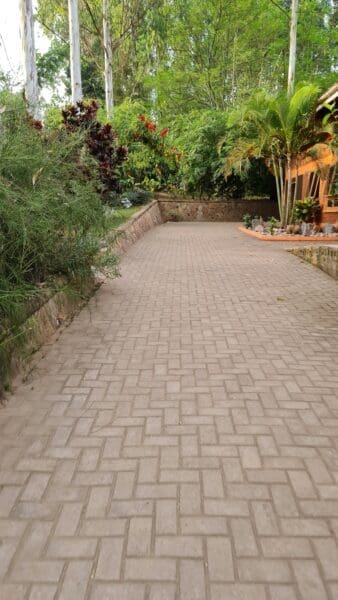
Paver driveways utilize interlocking concrete, brick, or stone pieces, offering unmatched customization in patterns and colors. Though installation costs can be higher, pavers often tick all the boxes for beauty, durability, and practicality. The main benefit of pavers is that damaged areas can be repaired by simply replacing individual bricks or stones, rather than redoing the entire surface. Over many years, the joints may require resanding to maintain stability, but this modular design keeps repairs simple and affordable.
Gravel Driveways
Gravel is a popular choice for rural or country-style homes due to its affordability and natural drainage properties. This permeable solution prevents pooling and can be replenished with minimal cost. Installation is straightforward and typically completed in a single day. However, ongoing raking and topping up are required as gravel can spread or become uneven, particularly after heavy rain. It is less practical in areas prone to snowfall since clearing snow without losing gravel can be challenging.
Brick Driveways
Brick offers a refined, historic aesthetic that instantly elevates a home’s exterior. Bricks can be arranged in various patterns, creating distinct visual interest. With care, brick surfaces can last many decades. However, bricks are vulnerable to shifting due to ground movement and water exposure, which may cause unevenness over time. The higher upfront costs are often offset by their lasting charm and timeless appeal, especially in historic or upscale neighborhoods.
Stone Driveways
Natural stone driveways, made from materials like granite, limestone, or cobblestone, are praised for their unique textures and unmatched curb appeal. Stone’s inherent durability means it can carry heavy vehicles and withstand weather changes for decades. Despite these strengths, natural stone is among the pricier options, and its installation requires skilled craftsmanship. These aspects make it suitable for luxury properties or those aiming for a grand first impression.
Permeable Pavers
Designed to allow rainwater to pass through their joints, permeable pavers address many drainage and runoff concerns common with traditional hardscapes. These environmentally conscious solutions help manage stormwater and are ideal for homes seeking green building credits or for regions with strict water regulations. Permeable paver surfaces can be made using concrete, stone, or recycled materials, offering modern style and function. Owners should keep the gaps clean of debris to ensure ideal drainage and prevent clogging.
Maintenance Tips for Longevity
- Regular Cleaning: Remove leaves, chemicals, and oil stains to maintain appearance and avoid long-term deterioration.
- Sealing: Apply driveway-specific sealants at intervals suggested for your material, particularly important for asphalt and concrete.
- Prompt Repairs: Fill in cracks and holes soon after detection to avoid expanding damage and costly replacements.
- Proper Drainage: Check that your driveway’s terrain encourages water runoff, as pooling can accelerate aging in any material.
Finding the right driveway material involves balancing design, durability, routine maintenance, climate conditions, and cost. Evaluating these factors will help ensure your driveway upgrade is both visually appealing and practical for everyday use. Ultimately, a well-chosen driveway not only increases curb appeal but also adds lasting value and utility to your home.
Conclusion
Choosing the right driveway material is an important decision that affects your home’s appearance, functionality, and long-term value. Whether you prefer the durability of concrete, the affordability of asphalt, the elegance of stone, or the flexibility of pavers, each option offers unique advantages depending on your needs, budget, and local climate. A well-planned driveway installation combined with regular maintenance can extend the lifespan of your investment and keep your property looking its best for years to come. By considering factors such as durability, drainage, style, and environmental impact, homeowners can select a driveway solution that enhances both curb appeal and everyday convenience. With the right material and proper care, your driveway can become a lasting feature that adds beauty, practicality, and value to your home.