Building Strong Foundations: Roofing, Exteriors, and Excavation
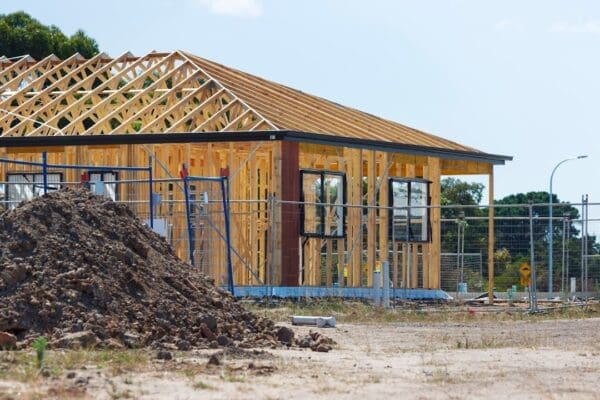
Every great building project begins long before construction starts. It all starts with careful planning and preparing the land itself. This first step includes two main parts: site preparation and exterior construction.
These early stages are more than just moving dirt. They create the base for the whole project. Good site work makes sure the building is stable, safe, and lasts a long time. Without a strong start, even the best plans can lead to big problems later. For those planning significant home improvements or new builds, understanding the initial groundwork is as crucial as selecting the right materials for the final touches, such as considering specialized Apex Roofing weekend services for efficient project completion.
In this guide, we will look closely at these important stages. We will explain the difference between site preparation and exterior construction. We will also show how they work together. We will cover the main tasks, costs, and important rules for this work. Our goal is to show how these first steps build strong and lasting foundations.
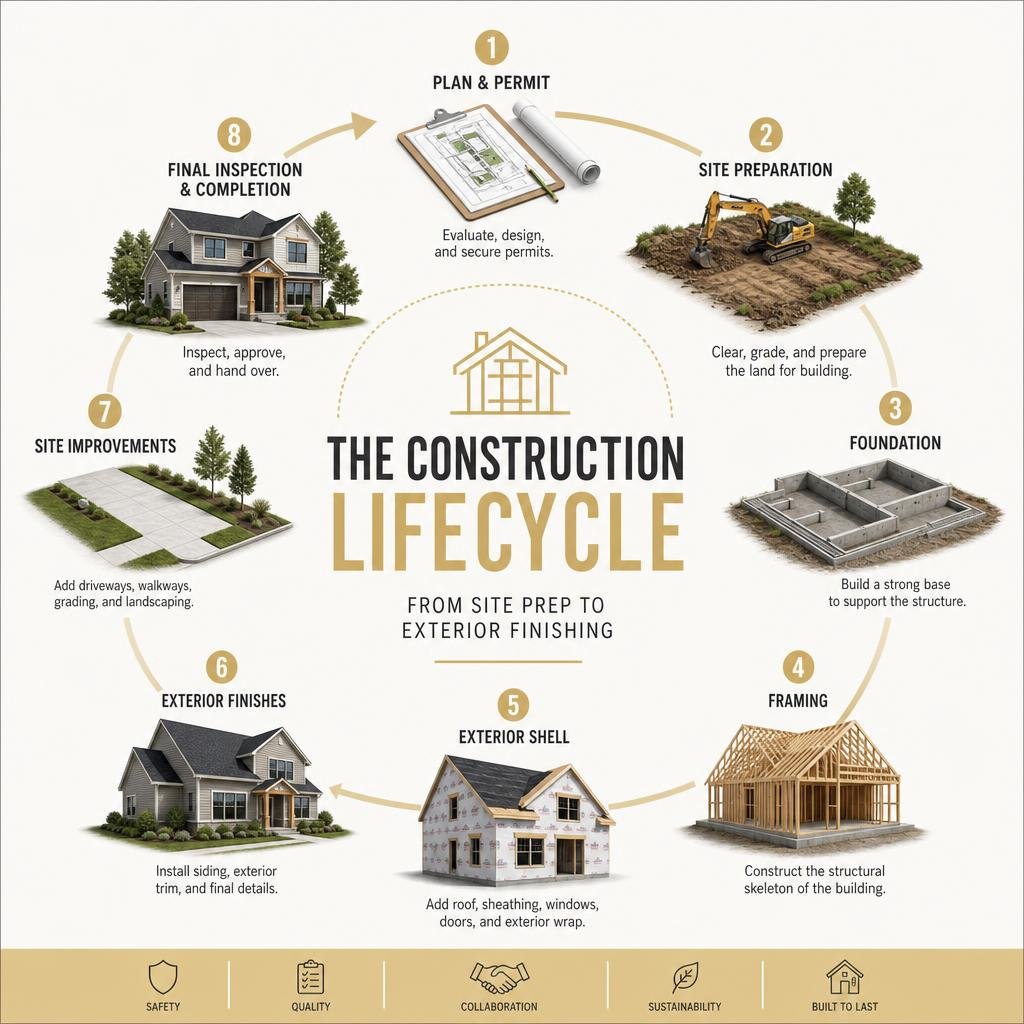
Demystifying Exterior Construction and Site Prep: How They Work Together
While often used interchangeably by the general public, “site preparation” and “exterior construction” are distinct yet deeply interconnected phases of any building project. Site preparation is the initial groundwork that transforms raw land into a buildable site, focusing primarily on the earth itself. It’s about creating a stable, level, and properly drained canvas. Exterior construction, on the other hand, involves building the outer shell of a structure—everything from the foundation up to the roof, including walls, siding, windows, and doors, as well as surrounding elements like driveways and landscaping.
The synergy between these two phases is critical. Site preparation directly dictates the success and longevity of exterior construction. For instance, proper grading and drainage established during site prep are fundamental for preventing water damage to foundations and basements, ensuring the structural integrity of the entire building. Without adequate runoff management, water can accumulate, leading to erosion, hydrostatic pressure against foundation walls, and ultimately, compromise the structural longevity of the property.
Consider the foundation of a building. It’s a core component of exterior construction, but its stability is entirely dependent on the quality of the site preparation beneath it. If the soil isn’t properly compacted, or if unsuitable materials are left in place, the foundation could settle unevenly, leading to cracks in walls, misaligned doors, and costly repairs down the line. This is why experts in Amsterdam exterior construction emphasize the importance of meticulous site analysis and preparation before any concrete is poured. They understand that the quality of the groundwork directly translates to the durability and safety of the finished exterior.
Moreover, site preparation extends beyond just the immediate footprint of the building. It includes preparing areas for driveways, walkways, and landscaping features that are integral to the overall exterior aesthetic and functionality. Effective drainage coordination ensures that water flows away from all exterior elements, protecting not just the building but also paved surfaces and planted areas from erosion and waterlogging. Site preparation lays the groundwork for every aspect of exterior construction, ensuring that each component has a solid, well-managed base to build upon. This integrated approach is a cornerstone of quality construction, as detailed in guides like our insights on building dreams and general contractor services, which highlight the importance of seamless project management from the ground up.
The Core Phases of Professional Site Preparation
Professional site preparation is a multi-faceted process designed to transform undeveloped or previously developed land into a stable and suitable foundation for construction. It’s a sequence of carefully planned activities, each crucial for the overall success and durability of the subsequent exterior construction.

The journey typically begins with land clearing and vegetation removal. This involves removing trees, shrubs, rocks, and any other natural obstacles that impede construction. For heavily wooded areas, this can be a significant undertaking, often requiring specialized equipment like forestry mulchers. The goal is to create a clean, accessible workspace. Following this, topsoil stripping occurs, where the nutrient-rich, organic top layer of soil is removed and often stockpiled for later use in landscaping. This step is vital because topsoil contains organic matter that decomposes and compacts over time, which can lead to foundation settlement issues if not removed.
Next comes excavation, which involves digging trenches for foundations, utilities, and basements, as well as shaping the land according to the architectural and engineering plans. This phase might also include the removal of unsuitable subsoil materials or the addition of fill material to achieve the desired elevations. Once excavation is complete, grading reshapes the land to ensure proper drainage and create a level surface for building. This is often done in two stages: rough grading to establish general contours and finish grading to achieve precise slopes and levels.
Finally, soil compaction and subgrade preparation are performed. This involves mechanically compressing the soil to increase its density and bearing capacity, making it strong enough to support the weight of the structure. Various tests are conducted to ensure the soil meets engineering specifications. This meticulous subgrade preparation is essential for preventing future settlement and ensuring the long-term stability of the foundation.
To illustrate the nuances between residential and commercial projects, here’s a comparison of typical site preparation activities:
Excavation, grading, and demolition are the muscle of site preparation, fundamentally reshaping the landscape to meet construction demands. Demolition services are often the first step on previously developed sites, involving the safe and efficient removal of existing structures, concrete slabs, and other man-made obstacles. This process requires careful planning, adherence to safety regulations, and proper disposal of debris, sometimes including hazardous materials. Once a site is cleared, the focus shifts to earthmoving.
Excavation is the digging phase, creating the necessary depressions for foundations, basements, utility lines, and drainage systems. This involves not just digging down, but also strategically moving earth to achieve specific contours. Modern excavation relies on advanced machinery and skilled operators to ensure precision, minimizing waste and maximizing efficiency. For complex projects, especially those in challenging terrains, specialized Utah excavation and site prep contractors bring invaluable expertise to navigate unique geological and environmental conditions.
Following excavation, grading takes center stage. This process involves shaping the earth’s surface to predetermined elevations and slopes. Rough grading establishes the general contours of the site, while finish grading refines these contours to ensure precise levels for foundations, roads, and landscaping, and critically, to control water flow. Proper grading is paramount for effective drainage, preventing water from pooling around structures, which can lead to significant long-term damage. It also prepares the subgrade for paving and other exterior finishes, ensuring a smooth and stable base.
Finally, soil stabilization techniques are often employed in conjunction with grading and excavation. This can involve compacting the soil, adding stabilizers like lime or cement, or installing geotextiles to improve the soil’s bearing capacity and reduce its susceptibility to erosion. These measures are crucial for creating a robust sub-base that can withstand the weight of structures and the forces of nature. The comprehensive nature of these services is often highlighted by providers offering a full suite of excavation services that cover everything from initial clearing to final subgrade preparation.
NAICS Code 238910: Standards for Site Preparation Contractors
To understand the breadth of services offered by site preparation contractors, it’s helpful to look at the official industry classifications. The North American Industry Classification System (NAICS) code 238910 specifically identifies “Site Preparation Contractors.” This classification covers establishments primarily engaged in excavating and grading, demolition of buildings and other structures, and septic system installation. It encompasses a wide range of activities essential for preparing land for various construction projects.
According to industry insights for June 2026, the U.S. site preparation contractors industry (NAICS 238910) is projected to generate $142.5 billion in revenue, reflecting its significant role in the construction sector. This industry is characterized by its foundational nature, providing the necessary groundwork for residential, commercial, industrial, and even mining sites.
Key services covered under NAICS 238910 include:
- Excavating and Grading: This is the core activity, involving the removal of earth, rock, or other materials, and reshaping the land to achieve desired contours and elevations.
- Demolition: The systematic and safe dismantling of existing structures, making way for new construction.
- Septic System Installation: Preparing the ground and installing complete septic systems, including tanks and drain fields.
- Earthmoving and Land Clearing: Removing vegetation, debris, and other obstacles to create a clean site.
- Blasting: Using explosives to break up rock or dense soil for excavation.
- Foundation Digging and Drilling: Preparing the ground for various foundation types, including piles and piers.
- Trenching: Digging narrow excavations for utilities such as water, sewer, electrical, and communication lines.
- Dewatering: Removing water from a construction site to allow for dry excavation and construction.
- Equipment Rental with Operator: Providing specialized heavy machinery along with skilled operators for various site preparation tasks. This also includes specialized tasks like hydrodemolition and ground thawing, which are crucial in specific environmental conditions.
While site preparation contractors handle overburden removal for many sites, establishments engaged in overburden removal at open pit mines or quarries are classified under mining, not site preparation, due to the primary nature of their operation. This distinction highlights the focus of NAICS 238910 on preparing sites for building or nonbuilding construction rather than resource extraction. Understanding these site preparation standards is crucial for both contractors and clients to ensure compliance and proper project execution.
Financial and Regulatory Frameworks for Groundwork
The financial and regulatory aspects of site preparation are as critical as the physical work itself. Neglecting these frameworks can lead to significant cost overruns, legal complications, and project delays. Effective project budgeting and cost estimation are paramount, requiring a thorough understanding of all potential expenses from initial surveys to final grading.

Project budgeting for site preparation must account for a multitude of variables. This includes labor costs, equipment rental or ownership, material acquisition (such as fill dirt or aggregates), and specialized services like hazardous material removal. Beyond direct costs, risk mitigation strategies are essential. This involves identifying potential challenges such as unexpected soil conditions, buried utilities, or adverse weather, and allocating contingency funds to address them. Safety protocols are not just regulatory requirements but also financial safeguards, as accidents can lead to costly delays, fines, and increased insurance premiums. Therefore, robust safety training, proper equipment maintenance, and strict adherence to safety guidelines are non-negotiable.
Liability insurance is another critical component of the financial framework. Given the inherent risks associated with heavy machinery, excavation, and demolition, comprehensive insurance coverage protects contractors and clients from potential claims arising from property damage, bodily injury, or environmental incidents. This coverage is an investment in peace of mind and financial security.
Cost Breakdown and Influencing Factors for Exterior Construction and Site Prep
Understanding the typical costs associated with site preparation is crucial for any project owner. As of June 2026, average site preparation costs for homeowners range from $1,300 to $5,600, with most projects costing around $3,800 or $1.50–$5.00 per square foot. However, these figures can vary significantly based on several influencing factors:
- Project Size and Scope: Larger areas naturally incur higher costs. A small residential lot will be less expensive to prepare than a multi-acre commercial site. The complexity of the work—simple clearing versus extensive rock excavation—also plays a major role.
- Land Clearing: This initial step typically costs $500–$2,000, but can increase substantially for heavily wooded lots or those with large stumps.
- Grading: Essential for drainage and leveling, grading costs usually fall between $1,000–$3,000. Steep slopes or challenging terrain will push these costs higher.
- Excavation: For foundations, basements, or utility trenches, excavation can range from $1,500–$5,000. The depth, soil type (rocky vs. soft), and access to the site are major cost drivers.
- Demolition: If existing structures need to be removed, demolition costs can range from $1,200–$6,000, depending on the size and materials of the structure, and whether hazardous materials are present.
- Soil Testing: Crucial for understanding soil composition and bearing capacity, soil testing typically costs $300–$1,200. This is a vital investment to prevent future structural issues.
- Land Surveying: Before any work begins, a professional land survey ($500–$1,500) establishes property boundaries, existing features, and elevation changes.
- Erosion Control: Implementing measures like silt fencing or sediment basins can cost $700–$2,500, particularly important in areas with significant rainfall or sloped terrain.
- Environmental Mitigation: For sites with contaminated soil or other environmental concerns, costs can range from $2,000 to $15,000 or more.
- Labor: Professional site preparation labor alone averages $3,800, but hourly rates can range from $50 to $150 depending on regional rates and the specialized skills required.
Factors like site accessibility, the need for specialized equipment, and the local permitting environment also contribute to the final price. For detailed estimates and to understand how these factors apply to your specific project, consulting with experienced professionals like 715 Excavating site preparation can provide invaluable insights tailored to your needs.
Permits, Inspections, and Environmental Mitigation
Before any ground is broken, navigating the labyrinth of permits, inspections, and environmental considerations is a non-negotiable step in site preparation and exterior construction. This regulatory framework ensures that projects comply with safety standards, environmental protection laws, and local planning guidelines.
Permits are required for almost every aspect of site preparation. These can include:
- Grading Permits: Mandated when altering the natural topography of the land, especially if it involves significant cut-and-fill operations.
- Demolition Permits: Necessary for the removal of existing structures, often requiring proof of utility disconnections and hazardous material abatement.
- Building Permits: While primarily for the structure itself, these often encompass site work, ensuring the foundation and site preparation meet code.
- Utility Permits: For connecting to public water, sewer, gas, and electrical systems, or for installing private septic systems.
- Stormwater Management Permits: Crucial for projects that disturb a certain amount of land, requiring plans to control runoff and prevent erosion.
Inspections are conducted at various stages to verify compliance with approved plans and local building codes. These might include:
- Pre-Construction Inspections: To verify site conditions and permit compliance before work begins.
- Foundation Inspections: To check excavation depth, rebar placement, and formwork before concrete is poured.
- Utility Trench Inspections: To ensure proper depth, bedding, and backfill of utility lines.
- Grading and Drainage Inspections: To confirm that the site is properly sloped for effective water management.
Environmental considerations are increasingly important. Stormwater management plans are designed to control the quantity and quality of runoff from the site, often involving the creation of retention ponds, permeable surfaces, or bioswales. Utility marking is a critical safety and environmental step, preventing accidental damage to underground lines that could lead to service disruptions, environmental contamination, or serious injury. Adherence to local building codes is fundamental, as these codes often incorporate environmental protections, such as requirements for erosion and sediment control. Furthermore, environmental compliance may involve assessments for wetlands, endangered species habitats, or historical artifacts, requiring specialized mitigation strategies if impacts are identified. For anyone undertaking a significant construction project, understanding and navigating these regulations is a complex but essential part of the process, as highlighted in comprehensive resources like a Helotes general contractor guide.
Coordination, Execution, and Post-Construction Maintenance
The journey from a raw piece of land to a completed structure is a complex dance of coordination, precise execution, and forward-thinking maintenance. Site preparation and exterior construction are not isolated tasks; they are integral parts of a larger project management ecosystem that involves numerous stakeholders.
Effective project management is the linchpin, ensuring that all phases—from initial clearing to final touches—are synchronized. This involves detailed scheduling, resource allocation, and continuous communication. Site preparation contractors must coordinate seamlessly with architects, ensuring that the earthwork aligns perfectly with the design vision. They also work closely with builders and general contractors, providing a “build-ready” site that meets engineering specifications and allows subsequent trades to proceed without delay. This trade coordination is vital to prevent costly rework and maintain project timelines. For instance, the exact placement of utility trenches determined during site prep directly impacts the plumbing and electrical contractors who follow.
Challenges and risks are inherent in site preparation. Unexpected soil conditions, unforeseen underground obstructions, or adverse weather can all cause delays and cost overruns. Mitigation strategies include thorough pre-construction surveys, comprehensive soil testing, and maintaining contingency budgets. Open communication channels between all parties are crucial for quickly addressing issues as they arise.
Once the site preparation is complete and the exterior construction—including foundations, walls, and roof replacement services—is finished, the project isn’t truly “done.” Ongoing maintenance and follow-up work are essential to preserve the quality, safety, and longevity of the investment. This includes monitoring drainage systems, inspecting foundations for any signs of settlement, and maintaining landscaping to prevent erosion. For commercial properties, this might extend to regular inspections of parking lots and access roads that were part of the initial exterior construction.
The coordination between site preparation contractors, general contractors, and specialized trades like those involved in exterior finishing, is a testament to the collaborative nature of the construction industry. A well-executed site prep phase directly contributes to a smoother exterior construction process, reducing friction and ensuring that the final structure stands on a truly solid foundation. This holistic approach is a hallmark of reputable firms, whether they are specialized in Fair Oaks general contracting or broader construction services. For any inquiries or to discuss project needs, reaching out directly at 210-900-1999 can help streamline coordination.
Frequently Asked Questions About Site Prep and Exteriors
We understand that the initial phases of construction can raise many questions. Here, we address some of the most common inquiries regarding site preparation and exterior construction.
What is the difference between site work and site concrete?
“Site work” is a broad term encompassing all activities involved in preparing a site for construction. This includes civil construction elements like clearing, grading, excavation, and the installation of utilities (water, sewer, electrical lines). It’s essentially everything that happens on the land before the main structure begins to rise.
“Site concrete,” on the other hand, is a specific component of exterior construction that focuses on the concrete elements outside the main building’s foundation. This includes pouring exterior flatwork such as sidewalks, driveways, patios, curbs, gutters, and sometimes even retaining walls. While site concrete is part of the broader site work, it specifically refers to the concrete structures that are typically installed after the initial earthwork and utility installations are largely complete, but before or during the final landscaping.
Why must topsoil be removed before starting exterior construction?
The removal of topsoil is a critical step in site preparation to ensure the long-term stability and integrity of any structure. Topsoil is the uppermost layer of earth, rich in organic material from decomposed plants and other biological matter. While excellent for supporting plant growth, this organic content makes topsoil unsuitable as a base for foundations.
Over time, the organic material in topsoil will decompose further and undergo soil compression, leading to uneven settling. If a foundation is built directly on topsoil, this compression can cause foundation settling, resulting in cracks in the foundation, walls, and other structural components. This can ultimately lead to structural failure and significant repair costs. Removing topsoil and building on the more stable subsoil or properly engineered fill ensures a solid and consistent base, promoting base stabilization and preventing future settlement issues.
How do weather conditions affect the site preparation timeline?
Weather conditions can significantly impact the timeline and cost of site preparation. Construction is often weather-dependent, and groundwork, in particular, is highly susceptible to environmental factors.
- Heavy Rainfall: Excessive rain can saturate the soil, making it muddy and unstable. This can halt excavation and grading operations, as heavy machinery can get bogged down, and compacted soil might lose its density. It also increases the risk of erosion, necessitating more extensive erosion control measures.
- Freeze-Thaw Cycles: In regions with cold winters, freeze-thaw cycles can cause the ground to heave and settle. This makes it challenging to achieve stable compaction and precise grading. Excavation can be difficult if the ground is frozen solid, while thawing can turn the site into a muddy quagmire.
- Extreme Heat/Drought: Prolonged dry spells can make soil excessively hard, requiring more effort for excavation. It can also lead to dusty conditions that impact air quality and visibility.
- High Winds: Strong winds can interfere with operations involving loose materials, create safety hazards, and spread dust or debris across the site.
To mitigate these challenges, contractors often engage in seasonal scheduling, planning earthwork during drier, more temperate months. They also employ various techniques such as dewatering, ground thawing, or using specialized equipment designed for challenging conditions. Proper planning and flexibility are key to managing weather-related delays in site preparation.
Conclusion
The journey of building, from initial concept to a finished structure, is underpinned by the critical phases of site preparation and exterior construction. As we’ve explored, these aren’t merely preliminary steps but foundational elements that dictate the long-term value, safety, and structural durability of any project.
From the meticulous process of land clearing, excavation, and grading to the intricate regulatory landscape of permits and environmental compliance, every detail matters. The distinction between site preparation and exterior construction, and their symbiotic relationship, underscores the need for professional execution and seamless coordination among all project stakeholders.
Investing in thorough site preparation is an investment in risk reduction. It minimizes the potential for costly delays, structural issues, and environmental complications down the line. Whether embarking on a new residential build or a large-scale commercial development, understanding these initial phases is paramount. For those seeking reliable expertise in ensuring their projects stand on the strongest possible foundations, engaging with skilled professionals, much like consulting with local handyman contractors for smaller home needs, is always the wisest course of action. By prioritizing quality groundwork, we ensure that our built environment is not only functional and beautiful but also enduring for generations to come.