Best Practices for Reducing Nitrogen Pollution from Residential Septic Systems
Managing nitrogen in residential septic systems is essential to safeguard local water quality and maintain a healthy environment. Excessive nitrogen runoff can contribute to significant environmental concerns, such as harmful algal blooms and the degradation of aquatic ecosystems. Homeowners can play a critical role in protecting their surroundings by adopting available best practices, especially as nitrogen-reducing septic systems become increasingly accessible to curb nitrogen emissions from household wastewater.
Addressing nitrogen pollution begins at home. Simple changes, routine maintenance, and the use of up-to-date treatment technologies make a noticeable difference in the amount of nitrogen that seeps into local groundwater and streams. With improved awareness and community support, the harmful impacts of these pollutants can be managed to support long-term environmental health.
Advanced treatment systems are only part of the solution. Community initiatives, thoughtful design, and regular inspections are also essential. These combined efforts support cleaner water, healthier wildlife, and more resilient landscapes.
For those seeking a reliable local partner, connecting with a reputable septic tank supplier can help ensure that your household system is both compliant and environmentally sound.
Understanding Nitrogen Pollution
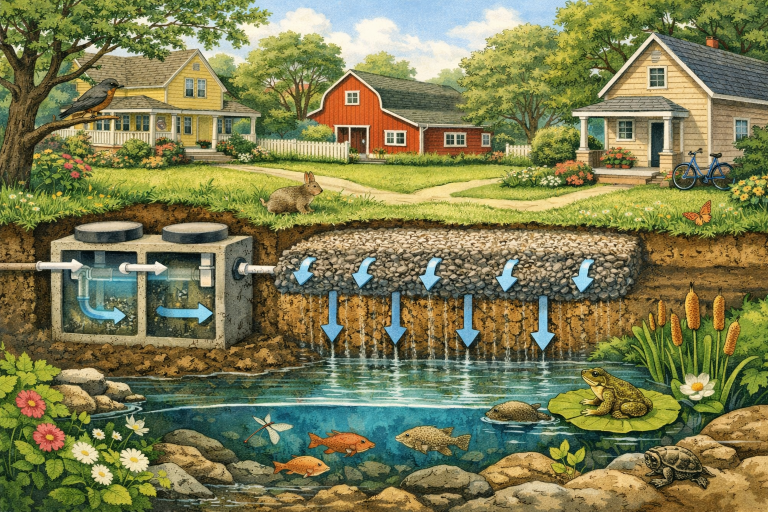
Nitrogen is naturally present in the environment, but excessive amounts from septic systems can seep into both groundwater and surface waters. As residential wastewater moves through traditional systems, not all nitrogen is removed, often leading to excess nutrients entering local ecosystems. Elevated nitrogen levels can cause harmful algal blooms, low-oxygen conditions, and even “dead zones” where aquatic life struggles to survive. These phenomena have been documented in waterways across the United States, including Florida’s springs and estuaries. To better understand the nationwide impact, the EPA provides resources on the consequences of nutrient overloads.
Advanced Septic System Technologies
Technological advancements have led to the development of specialized systems that substantially reduce nitrogen discharge into the environment. Enhanced Nutrient-Reducing (ENR) septic systems use innovative filtration, aerobic treatment, and, in some cases, biological additives to convert nitrogen into harmless gases before releasing treated water. Compared to conventional systems, these options can lower nitrogen discharge by over 90 percent. The integration of nitrogen sensors and smart monitoring tools further optimizes their performance. When combined with regular system checks, these state-of-the-art options make it easier for families and communities to limit their environmental footprint.
Regular Maintenance and Inspections
Keeping your septic system in good working order is crucial for both its performance and its environmental impact. Routine pump-outs and inspections help prevent nitrogen-rich effluent from reaching surrounding soils and waterways. Experts recommend inspections every one to three years. Homeowners should also look for signs of system stress, such as persistent wet spots or foul odors, which can signal leaks or blockages. By catching issues early, you can avoid costly repairs while supporting efforts to reduce nutrient pollution. For state-specific guidance, the EPA offers a helpful overview of proper septic system care.
Proper System Siting and Design
The placement and design of a septic system strongly influence its ability to prevent nitrogen leakage. Variables such as soil composition, distance from wells or surface water, and the local water table must be considered during installation. Proper siting can slow wastewater movement through the soil, increasing the natural removal of nitrogen before it reaches waterways. Professional system design also enables adaptability to address the unique environmental characteristics of each property while complying with local regulations.
Community Initiatives and Regulatory Support
Community-based projects and regulatory frameworks are driving broader adoption of nitrogen-reducing strategies. Local governments and environmental organizations often offer incentives for upgrading older systems or installing demonstration projects that showcase the effectiveness of new technologies. Regional collaborations, such as the EPA’s initiatives in sensitive coastal and watershed areas, help spread best practices and provide funding to homeowners who want to improve system performance. These joint efforts benefit everyone by creating a more resilient and sustainable approach to wastewater management.
Educating Homeowners
Outreach and educational initiatives play a pivotal role in ensuring homeowners are aware of both the risks and solutions for managing nitrogen pollution. Workshops, informational campaigns, and partnerships with schools and civic groups keep residents informed of the latest guidance, funding opportunities, and technological advancements. A well-informed community is much more likely to embrace recommended best practices and support local environmental goals.
Monitoring and Adaptive Management
Continual monitoring of nitrogen levels in local water bodies, paired with flexible management plans, allows communities to assess whether interventions are working as intended. Data-driven adjustments can improve results over time and provide the feedback necessary for future policy and investment decisions. Monitoring also helps identify emerging problems before they become widespread, enabling a quicker, more effective response.
Conclusion
Reducing nitrogen pollution from residential septic systems requires concerted effort, modern technologies, and engagement from homeowners and communities. From proper design and maintenance to informed upgrades with advanced treatment systems, each step contributes to cleaner water and healthier surroundings. Collaborations among residents, regulatory agencies, and industry professionals are vital to ongoing success in minimizing nitrogen’s environmental impact.