Benefits of Early Childhood Care for Infants

Early childhood care is one of the most impactful investments parents and societies can make in a child’s future. The first few years are a critical window for brain development, socialization, and nurturing. Exposing children to quality care at an early age provides a solid start, guiding their overall growth and ensuring their readiness for future milestones such as school and social interactions. For local families seeking trusted providers, exploring the Best infant daycare in Windsor, CT, can make a significant difference in their child’s developmental journey.
Structured early care does more than meet infants’ daily needs—it lays a foundation for lifelong learning, emotional stability, and physical health. As more research reveals the far-reaching impact of early experiences, the case for prioritizing accessible and high-quality infancy care grows stronger. Programs that blend nurturing with education can help ensure all children, regardless of background, enter kindergarten ready to thrive, fostering resilience, curiosity, and confidence.
Equally important, the availability of early childhood programs can ease the logistical and financial challenges faced by working families. As parents pursue careers and stability, reliable care options create lasting benefits not just for individual households but for communities at large.
Cognitive Development
Engaging infants in structured early childhood care environments fosters rapid, healthy brain growth. During the first five years, a child’s brain undergoes astonishing development, forming neural connections that shape future learning capabilities. According to Verywell Mind, by age five, children’s brains reach up to 90% of their adult size, making this stage especially influential for cognitive skills such as language, memory, and reasoning.
High-quality early education programs introduce activities that stimulate curiosity and logic, such as storytelling, singing, and problem-solving. These early experiences are directly linked to IQ scores and later critical thinking skills.
Social and Emotional Growth
Beyond intellectual pursuits, the value of early childhood care lies in nurturing social and emotional skills. Consistent interaction with other children and caregivers in a structured setting helps infants learn essential traits such as empathy, patience, and cooperation. These interactions foster self-confidence and the ability to form secure relationships, which are key predictors of happiness and well-being.
Children who receive early education show improvement not only in social situations but also in emotional regulation. They’re more likely to communicate feelings effectively and navigate group settings with confidence, skills that translate to smoother transitions throughout their childhood and into adulthood.
Physical Health and Motor Skills
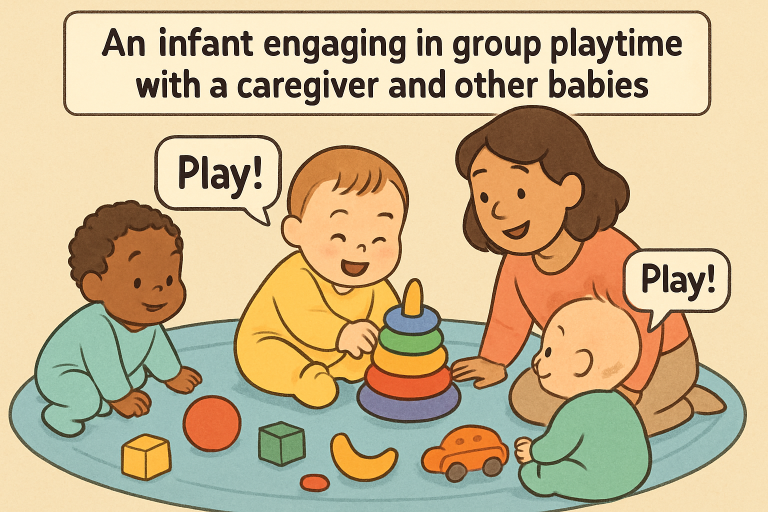
Structured early care environments provide age-appropriate activities that support physical growth, balance, and coordination. From exploring toys to participating in guided play, infants develop their gross (large-muscle) and fine (small-muscle) motor skills. Actions like crawling, stacking blocks, or gripping crayons are foundational activities that encourage movement and dexterity. Additionally, these programs instill healthy habits such as regular outdoor activity and basic personal care, contributing to positive long-term health outcomes.
Long-Term Academic Success
Participation in early childhood care is a proven predictor of future academic achievement. Early experiences with structured learning routines, language exposure, and social interaction help prepare children for the rhythm and expectations of formal schooling. Children who attend high-quality programs display better pre-literacy skills, greater school readiness, and are more likely to pursue higher education.
Studies have found that early care enrollment is associated with higher test scores, higher graduation rates, and greater lifelong learning engagement. This early momentum not only elevates individual students but also reduces the achievement gap between children from different socioeconomic backgrounds.
Economic Benefits for Families
Access to dependable early childhood care empowers parents to maintain steady employment, attend job training, and increase family income. The flexibility and reliability offered by reputable programs relieve parental stress and contribute to overall household stability. These factors enable families to make long-term investments in education, housing, and health, all of which benefit children’s well-being.
Affordable childcare solutions can lead to a significant rise in workforce participation, especially among mothers, promoting gender equality and broadening family opportunities across generations.
Community and Societal Advantages
When societies invest in early childhood programs, the returns reach far beyond individual households. Children who receive high-quality early education are more likely to become productive adults, avoiding adverse social outcomes such as crime or prolonged reliance on public support. In fact, every dollar invested in early childhood education yields substantial returns—studies have estimated up to $7 in societal benefits from reduced remediation costs and increased economic productivity. Communities that prioritize early childhood education enjoy a more skilled workforce, lower crime rates, and greater civic engagement. Widespread access to quality care can bridge social divides and foster a more inclusive, prosperous society.
Choosing the Right Early Childhood Care
Parents seeking the optimal environment for their infants should carefully evaluate care programs based on caregiver credentials, health and safety practices, curriculum quality, and how well the program’s philosophy matches family values. Visiting centers, asking questions, and observing daily routines are essential steps toward ensuring a supportive, nurturing atmosphere. Reviewing feedback from other parents and confirming state licensing or accreditation can offer additional peace of mind. Ultimately, the right choice is a program that loves, challenges, and celebrates children every day.
Conclusion
Early childhood care is more than a convenience—it’s a cornerstone for building strong, capable, and successful individuals. By investing in the youngest members of society through nurturing, enriching environments, families, and communities, they create a legacy of lifelong learning and well-being that benefits everyone.