Beginner’s Guide to Garage Conversions
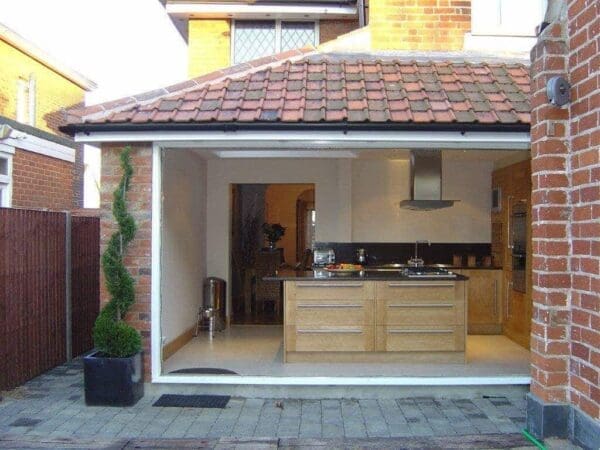
Adding space and value to your home doesn’t always mean moving or extending. While loft conversions and house extensions are popular options, a garage conversion is often the quickest and most cost-effective way to gain extra living space. In many cases, it can add up to 20% to the value of your property.
This beginner’s guide to garage conversions explains everything you need to know before getting started.
Is Your Garage Being Wasted?
Do you love your home but feel short on space? Is your garage simply a dumping ground for clutter or sitting completely unused?
A garage conversion could provide the extra room you need, whether that’s a larger kitchen/diner, a granny annexe, a playroom for the children, a home office, an additional bathroom, or even a cinema room.
Because the structure already exists, converting a garage is far more affordable than building an extension. With the right experience and expertise, a skilled local builder can transform your garage into a comfortable, fully compliant living space.
If you’re considering a garage conversion in Sussex, working with experienced Builders Burgess Hill ensures your project is completed to a high standard, from planning through to completion.
Why Convert Instead of Moving?
Moving home can be expensive, stressful, and disruptive, especially if it means changing schools, leaving good neighbours behind, or learning a new area. A garage conversion allows you to stay where you are while creating the extra space you need, at a fraction of the cost of moving.
This guide will walk you through the process, costs, regulations, and key considerations involved in converting your garage.
How Much Space Will a Garage Conversion Give Me?
- Single garage: Up to 140 sq ft of additional living space
Typical cost: £5,000 – £8,000 - Double garage: Up to 240 sq ft
Typical cost: £15,000 – £17,000
These figures are a general guide. Costs vary depending on design, structural condition, services required, and the level of finish. Every garage conversion is unique.
Planning Permission for Garage Conversions
In most cases, a single garage conversion does not require planning permission, provided:
- You are not extending or enlarging the garage
- The work falls under permitted development rights
It’s often advisable to apply for a Lawful Development Certificate, which can be helpful if you later sell or remortgage your home.
Building Regulations Approval
All garage conversions must comply with current building regulations. You’ll need to notify building control so inspections can be carried out to ensure compliance with:
- Structural safety
- Insulation
- Fire safety
- Drainage
- Electrical systems
- Ventilation
- Doors and windows
Detached garages may require a full plans application, particularly if the use of the building is changing (for example, creating a self-contained granny annex).
If you live in a conservation area, planning permission is almost always required, and parking restrictions may apply.
Listed Buildings
If your property is listed, you will need:
- Full planning permission
- Listed building consent (this is a legal requirement)
- Building regulations approval
Your local authority will consult Historic England before permission is granted.
Party Wall Act
If your garage conversion affects a shared wall or boundary, the Party Wall Act applies. Written consent from neighbours is required if:
- Work affects a shared wall
- You are building on the boundary
- Excavation is near neighbouring foundations
Notice must be served at least two months before work begins.
Structural Considerations
Before work starts, the existing structure must be assessed:
- Walls, roof, and foundations may need reinforcement
- Floor levels may need raising to match the main house
- Ceiling height must meet building regulations (typically 2–2.4m once floors are raised)
Roof & Insulation
If there is no room above the garage, the roof must be insulated. Flat roofs are typically insulated using either:
- Warm roof systems (insulation above the deck – maximises head height)
- Cold roof systems (insulation below the deck – requires careful ventilation)
Building regulations govern insulation requirements throughout the conversion.