Are Hybrid Cars Worth It? A Modern Driver’s Perspective
As automotive technology advances, car shoppers are weighing whether hybrid vehicles justify their price tag and promise of greener driving. From fuel economy to the driving experience, understanding whether hybrids deliver tangible value is key for modern drivers. When considering eco-friendly options or simply seeking a more economical ride, exploring used Kia for sale may yield a variety of hybrid vehicles to suit your needs.
With incentives, fuel savings, and evolving technologies on the table, determining whether hybrid cars are a smart investment in 2024 requires a deep dive into their core benefits and drawbacks. Below, you’ll find a comprehensive guide evaluating whether hybrids are the right fit for you, covering efficiency, maintenance, performance, and more.
Understanding Hybrid Vehicles
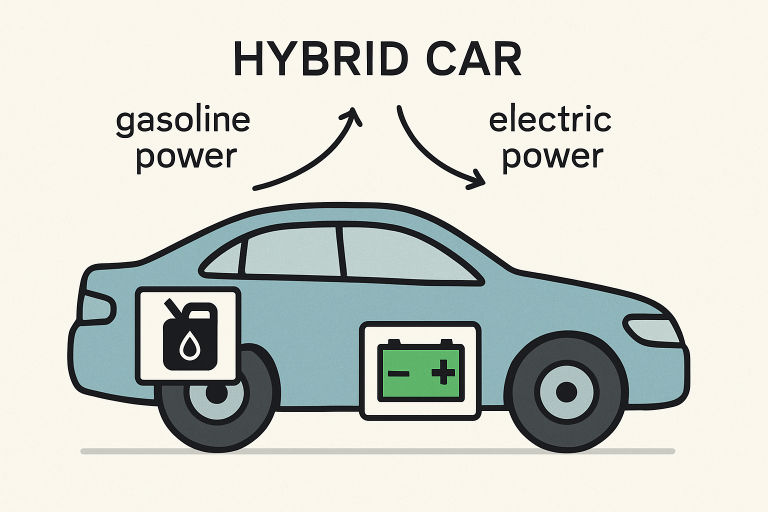
Hybrid vehicles merge internal combustion engines with electric motors, creating a system that maximizes power while minimizing fuel consumption. There are several types of hybrids, including series, parallel, and plug-in hybrid electric vehicles (PHEVs). In a series hybrid, the gasoline engine’s main job is to generate electricity, whereas in a parallel hybrid, both the engine and the electric motor can drive the wheels, either on their own or together. PHEVs stand out for their larger batteries, allowing drivers to run purely on electric power for short distances, often enough for daily commutes.
The integration of electric motors enables hybrids to capture and reuse energy that would otherwise be lost during braking—a process called regenerative braking. This seamless blending of electricity and gasoline power delivers a flexible approach tailored for drivers who are not yet ready to commit to a fully electric car.
Fuel Efficiency and Cost Savings
Fuel efficiency is the marquee advantage of hybrids. For example, the 2024 Toyota Corolla Hybrid can achieve up to 53 miles per gallon (mpg) in the city, compared to approximately 32 mpg for a traditional gasoline model. When gas prices average over $3 per gallon nationally, these savings compound quickly, making hybrids especially attractive to those with long commutes or rideshare drivers.
While hybrids command a higher upfront cost due to advanced battery technology, many recoup this premium within a few years through fuel savings. Analyses by Consumer Reports show that most hybrids have a payback period of 4 years or less, depending on driving habits and local fuel costs.
Environmental Impact
Hybrids reduce emissions and help shrink your carbon footprint, making them a favored choice for environmentally conscious buyers. While not as green as fully electric vehicles, hybrids still represent substantial progress compared to conventional gas-powered cars. According to the U.S. Department of Energy, hybrid models can reduce greenhouse gas emissions by more than 30% compared to their gas-only counterparts.
It’s worth noting that the battery manufacturing process does carry environmental consequences, but improvements in recycling and battery longevity have helped offset much of this impact.
Performance and Driving Experience
Recent innovations have shattered the myth that hybrids are sluggish. Modern hybrids deliver quick, smooth acceleration thanks to the electric motor’s instant torque. They also tend to be quieter due to frequent electric-only operation at low speeds, resulting in a refined, pleasant driving experience. Notably, many hybrid models offer advanced technology and premium features as standard, further elevating the ride.
Maintenance and Reliability
Hybrids generally require the same basic maintenance as gasoline cars—oil changes, tire rotation, and brake service—but enjoy lower component wear. Regenerative braking systems ease the stress on traditional brakes, battery packs are more robust than ever, and the internal combustion engine runs less often, reducing overall engine wear. Battery replacement is rare within the first decade of ownership, and most manufacturers provide warranties that cover critical hybrid components for 8–10 years or longer. However, out-of-warranty battery replacements can be costly, so it’s important to factor this into long-term ownership costs.
Government Incentives
To accelerate the adoption of cleaner vehicles, government incentives are available at the local and federal levels. Buyers may qualify for federal tax credits up to $7,500 under the Inflation Reduction Act, with additional savings from state or municipal programs varying by location. These incentives can make a significant dent in the up-front premium, but be sure to research eligibility requirements, as not all hybrids qualify for the same credits.
Considerations Before Purchasing
- Driving Habits: Hybrids shine in stop-and-go traffic and city conditions, leveraging electric power for increased efficiency. If your driving is mostly on highways, you may not fully realize a hybrid’s fuel-saving benefits.
- Initial Cost vs. Long-Term Savings: Balance the initial price premium with anticipated annual fuel savings and incentives. Calculate how long you plan to keep the vehicle to ensure you recoup the extra investment.
- Availability of Incentives: Look up both federal and local incentives. Some programs may have income limitations, vehicle eligibility requirements, or limited availability.
Conclusion
Hybrid vehicles represent a harmonious blend of efficiency, lower emissions, and modern driving comfort, making them an appealing option in today’s evolving automotive climate. Weighing the higher up-front cost against long-term fuel savings and government incentives, hybrids can be a savvy investment for many drivers, particularly urban commuters or those concerned about environmental impact. By closely examining your driving habits and available incentives, you can make a confident choice that aligns with your budget and values.