Advancements in Sexual Health and Wellness Treatments

Erectile dysfunction (ED) is a common challenge. It impacts millions of men worldwide. Beyond its direct effect on intimacy, ED can signal other health concerns. This makes finding effective treatment crucial for overall well-being.
We understand that seeking solutions can feel daunting. Fortunately, the landscape of erectile dysfunction treatment has expanded. It now offers more options than ever before. This comprehensive guide explores these diverse solutions. We will cover everything from lifestyle changes to advanced medical therapies.
Our goal is to empower you with clear, actionable insights. We want to help you understand your options. We encourage a proactive approach to your health. Finding the right support for your sexual health journey is vital. Many men find comprehensive care at specialized Sexual Wellness Centers.
Throughout this guide, we will break down common causes. We will explore various treatment pathways. We will discuss their benefits and considerations. We aim to provide you with the knowledge to make informed decisions. This will help you reclaim your vitality and confidence.
Erectile dysfunction is not merely a physical issue; it often stems from a complex interplay of physical, psychological, and lifestyle factors. Understanding these underlying causes is the first step toward effective treatment.
What are the common causes of erectile dysfunction?
The causes of ED are multifaceted. They can range from issues affecting blood flow and nerve function to hormonal imbalances and psychological distress.
Physical Causes:
- Cardiovascular Disease: Conditions like atherosclerosis (hardening of the arteries) can restrict blood flow to the penis, a primary mechanism for erections. The penis’s small blood vessels can act as an early warning system for broader cardiovascular problems, signaling potential heart attacks or strokes years before they might otherwise be detected.
- Diabetes: High blood sugar levels can damage nerves and blood vessels throughout the body, including those essential for erectile function. This is a significant contributor to ED, with studies showing a high prevalence among diabetic patients.
- High Blood Pressure (Hypertension): Chronic high blood pressure can damage blood vessels, reducing their ability to expand and allow sufficient blood flow for an erection.
- High Cholesterol: Similar to high blood pressure, high cholesterol can lead to plaque buildup in arteries, impeding blood flow.
- Obesity: Being overweight or obese is often linked to other health conditions that cause ED, such as diabetes, heart disease, and low testosterone.
- Hormonal Imbalances: Low testosterone levels (hypogonadism) can affect libido and erectile quality. Other hormonal issues can also play a role.
- Neurological Disorders: Conditions such as Parkinson’s disease, multiple sclerosis, or spinal cord injuries can interfere with nerve signals from the brain to the penis.
- Certain Medications: Many prescription drugs, including some antidepressants, antihistamines, and medications for high blood pressure, can list ED as a side effect.
- Surgery or Injury: Pelvic surgeries (e.g., prostatectomy) or injuries to the pelvic area can damage nerves and blood vessels.
The Mind-Body Connection in Sexual Wellness
Beyond physical ailments, psychological factors play a crucial role in erectile function. The brain is the body’s largest sex organ, and mental well-being profoundly impacts sexual health.
What psychological factors can contribute to erectile dysfunction and how can they be addressed?
- Stress: Chronic stress can interfere with the body’s hormonal balance and nervous system, making it difficult to achieve an erection.
- Anxiety: Performance anxiety, specifically the fear of not being able to perform sexually, can create a self-fulfilling prophecy. General anxiety disorders can also contribute.
- Depression: Depression is frequently linked to ED, and the two conditions can exacerbate each other. The emotional toll of depression can diminish sexual desire and function.
- Relationship Issues: Unresolved conflicts, poor communication, or a lack of intimacy in a relationship can manifest as ED.
- Low Self-Esteem: Negative self-perception, often related to body image or past sexual experiences, can impact confidence and lead to ED.
Addressing these psychological factors often involves counseling, therapy, and open communication. For instance, talking with a doctor about going to a counselor can help lower anxiety or stress related to sex. Your counselor may suggest that you bring your partner to counseling sessions to learn how to support you. Organizations like the British Association of Counselling and Psychotherapy, the College of Sexual and Relationship Therapists (COSRT), and Relate offer specialized support.

How Underlying Conditions Impact Sexual Health
Many underlying health conditions directly impair the physiological processes required for an erection. We often see that what’s good for heart health is generally good for sexual health.
- Vascular Health: Adequate blood flow is paramount for an erection. Conditions that compromise the health of blood vessels, such as heart disease, hypertension, and high cholesterol, directly impede the ability of the penis to fill with blood.
- Nerve Function: The nervous system sends signals from the brain to the penis, initiating and sustaining an erection. Damage to these nerves, whether from diabetes, neurological disorders, or surgery, can disrupt this crucial communication.
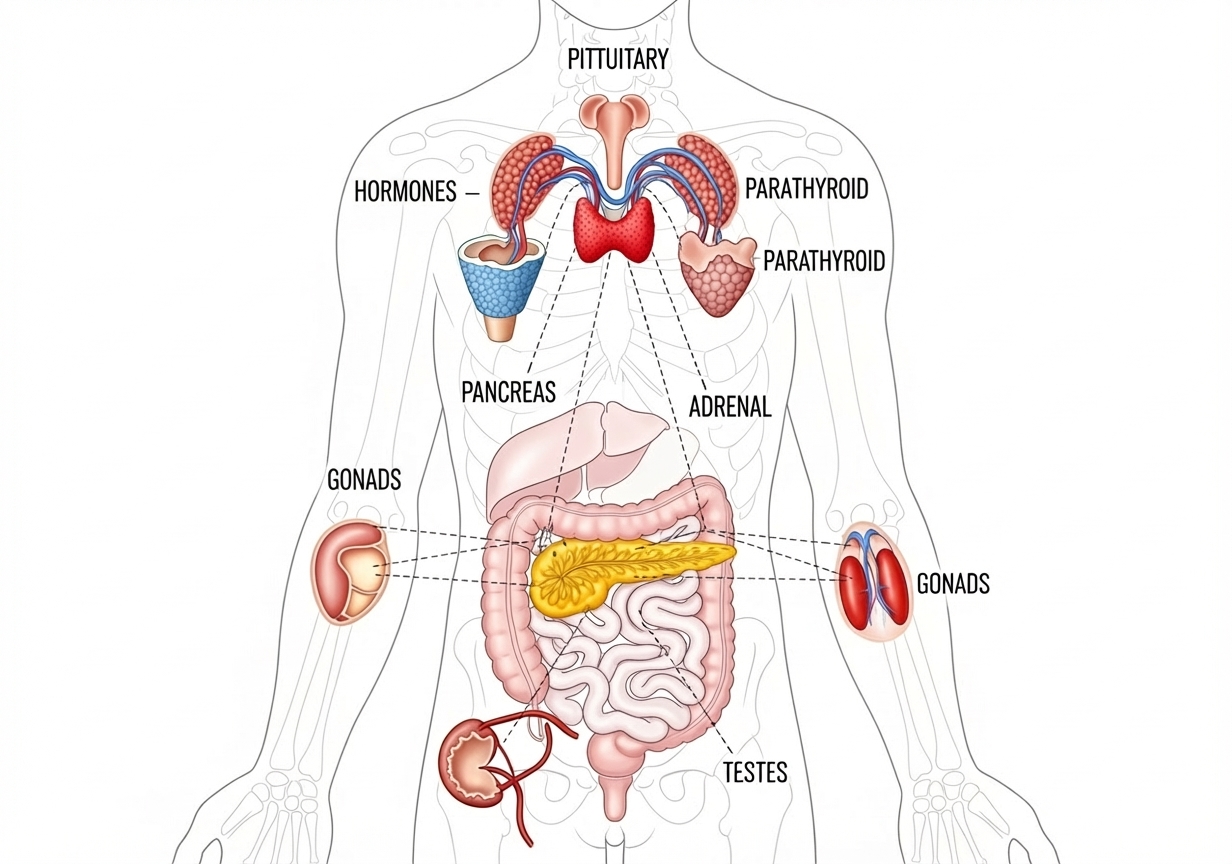
- Endocrine System: Hormones, particularly testosterone, play a vital role in libido and erectile quality. Imbalances in the endocrine system can lead to ED.
- Medication Side Effects: It’s important to review all medications with a healthcare provider, as some commonly prescribed drugs can contribute to ED.
For a deeper dive into how various medical conditions can contribute to ED, we recommend exploring resources like Contributory Conditions That May Cause Erectile Dysfunction.
Lifestyle and Foundational Approaches to Sexual Wellness
Before considering medical interventions, many men can significantly improve their erectile function through lifestyle modifications. These changes not only address ED but also promote overall health and well-being.
What lifestyle changes can help improve erectile dysfunction?
Adopting a healthier lifestyle is often the first line of defense and can be remarkably effective.
- Healthy Diet: Eating a balanced diet rich in fruits, vegetables, and whole grains, and low in saturated fats, supports cardiovascular health, which is crucial for erections. The Mediterranean diet, for example, has been linked to improved erectile function.
- Daily Exercise: Regular physical activity, especially cardiovascular exercise, improves blood circulation and heart health. Aim for at least 45 minutes, three times per week. Pelvic floor exercises, also known as Kegel exercises, can also strengthen the muscles that support erectile function.
- Weight Management: Losing excess weight can alleviate many underlying conditions associated with ED, such as diabetes and heart disease.
- Limiting Alcohol: Excessive alcohol consumption can impair erectile function. Limiting intake to no more than 14 units per week is generally recommended.
- Smoking Cessation: Smoking damages blood vessels and restricts blood flow, making it a major risk factor for ED. Quitting smoking can lead to significant improvements. Resources like the CDC offer support for quitting.
- Stop Illegal Drug Use: Illicit drugs can have various detrimental effects on overall health, including sexual function.
- Getting Quality Sleep: Adequate and restful sleep is vital for hormone regulation and overall physical recovery, both of which impact erectile health.

Managing Stress and Psychological Factors
As we’ve discussed, the mind plays a powerful role. Managing psychological factors is key to improving ED.
- Mindfulness and Stress Reduction: Techniques such as meditation, yoga, and deep breathing can help reduce stress and anxiety, improving mental clarity and physical relaxation.
- Communication with Partner: Open and honest communication with your partner about your concerns and feelings can reduce performance anxiety and strengthen intimacy.
- Counseling and Sex Therapy: A sex therapist or counselor can help individuals and couples address psychological barriers, performance anxiety, and relationship issues that contribute to ED. The Institute of Psychosexual Medicine provides specialist resources.
- Importance of Sleep: Chronic sleep deprivation can disrupt hormone levels and overall well-being, negatively impacting sexual health. Prioritizing quality sleep is a simple yet effective step.
For those interested in exploring non-pharmacological approaches, our article on Natural Erectile Dysfunction Remedies offers additional insights.
Innovations in Non-Invasive and Minimally Invasive Therapies
When lifestyle changes alone aren’t sufficient, a range of non-invasive and minimally invasive medical therapies offer effective solutions for erectile dysfunction.
Oral Medications and Their Place in Treatment
Oral medications are often the first-line treatment for ED due to their effectiveness and ease of use.
What are the risks and benefits of oral medications for erectile dysfunction?
- Benefits: These medications, known as Phosphodiesterase-5 (PDE5) inhibitors, work by enhancing the effects of nitric oxide, a natural chemical the body produces during sexual arousal. This relaxes the smooth muscles in the penis, allowing increased blood flow and resulting in an erection. They are highly effective for many men, with about 7 out of 10 men responding well.
- Sildenafil (Viagra): Typically takes 30-60 minutes to work and lasts up to 4 hours.
- Tadalafil (Cialis): Can start working in as little as 5-7 minutes and its effects can last up to 55 hours, earning it the nickname “the weekend pill.”
- Vardenafil (Levitra, Staxyn): Similar onset and duration to sildenafil.
- Avanafil (Stendra): Works quickly, often within 15-30 minutes, and lasts 4-6 hours.
- Risks and Side Effects: Common side effects include headache, flushing, stuffy nose, indigestion, and temporary visual disturbances (especially with sildenafil).
- Serious Side Effects: Rare but serious side effects include sudden vision loss, sudden hearing loss, and priapism (an erection lasting longer than four hours), which requires immediate medical attention.
- Drug Interactions: PDE5 inhibitors should never be taken with nitrate drugs (often prescribed for chest pain) as this can cause a dangerous drop in blood pressure. They should also be used cautiously with alpha-blockers.
- Not for Everyone: They are not effective for all types of ED, particularly those caused by severe nerve damage or certain vascular issues.
It’s crucial to obtain these medications through a prescription from a healthcare provider to ensure they are safe for your individual health profile. Be wary of “natural” or “herbal” ED supplements, as many have been found to contain undisclosed PDE5 inhibitors or other harmful ingredients. The FDA has issued warnings regarding these unregulated products.
Regenerative Approaches for Sexual Wellness
Emerging therapies are focusing on restoring the natural function of erectile tissue, rather than just treating symptoms.
- Low-Intensity Extracorporeal Shockwave Therapy (LiSWT): This non-invasive treatment uses low-intensity sound waves to stimulate the growth of new blood vessels (neovascularization) in the penis. This can improve blood flow and restore erectile function, particularly for men with vasculogenic ED. Studies have shown LiSWT can improve erectile function even in patients unresponsive to PDE5 inhibitors.
- REGENwave®: This is a specific type of LiSWT that aims to repair and regenerate penile tissue. It is a promising option for improving blood flow and can be particularly beneficial for men with conditions like Peyronie’s Disease. You can learn more about how it can Improve the Symptoms of Peyronie’s Disease with RegenWave Treatment.
- Stem Cell Injection Therapy: Still largely experimental, stem cell therapies aim to regenerate damaged tissue and improve blood flow. While promising, these treatments are not yet FDA-approved for ED and are typically only available through clinical trials.
The Role of Hormone Replacement Therapy
Hormonal imbalances, particularly low testosterone, can contribute to ED.
What role does testosterone replacement therapy play in treating erectile dysfunction?
- Testosterone and ED: Testosterone is essential for libido, energy levels, and overall sexual function. Low testosterone (hypogonadism) can lead to decreased sex drive and, in some cases, contribute to ED.
- Diagnosis: If a healthcare professional suspects low testosterone, blood tests will be conducted to confirm the levels.
- TRT Benefits: If diagnosed with clinically low testosterone, testosterone replacement therapy (TRT) can improve libido, energy, and mood. For some men, this can indirectly improve erectile function, especially if their ED is primarily due to hormonal deficiency.
- Limitations: TRT is often unhelpful if ED is caused by circulatory or nerve problems. It does not typically “cure” ED if other underlying physical causes are present. In such cases, TRT may be combined with other ED treatments like PDE5 inhibitors.
- Potential Side Effects: TRT can have side effects, including an increased risk of blood clots, sleep apnea, acne, and prostate enlargement. It’s crucial to discuss these risks and benefits thoroughly with a doctor. Testosterone treatment also has not been proven to help ED associated with age-related or late-onset hypogonadism. Do not take testosterone therapy that hasn’t been prescribed by your doctor.
Advanced Medical and Surgical Solutions
For men who do not respond to oral medications, lifestyle changes, or other less invasive therapies, advanced medical and surgical options offer highly effective solutions.
Device-Assisted and Injectable Treatments
These options provide a direct approach to achieving an erection when the body’s natural mechanisms are insufficient.
How do vacuum erection devices work and what are their side effects?
- How They Work: A Vacuum Erection Device (VED) consists of a plastic cylinder placed over the penis, a pump (manual or battery-powered) that creates a vacuum to draw blood into the penis, and an elastic constriction ring placed at the base of the penis to maintain the erection. The vacuum creates negative pressure, causing blood to flow into the penis, resulting in an erection.
- Effectiveness: VEDs are one of the first and most effective treatments when medications do not work. With proper training, 75 out of 100 men can get a working erection. They can maintain an erection for up to 30 minutes.
- Side Effects:Numbness or Coldness: The penis may feel cold or numb due to the constriction ring.
- Bruising: Mild bruising or petechiae (small red spots) on the penis can occur.
- Pain: Some men experience pain or discomfort, especially if the constriction ring is too tight or left on too long.
- Restricted Ejaculation: The constriction ring can sometimes prevent ejaculation or cause it to be painful.
- Warning: The constriction ring should not be left on for more than 30 minutes to avoid damage to penile tissue.
What are the potential side effects of penile injections for erectile dysfunction?
- How They Work: Penile injections involve injecting medication directly into the side of the penis. The most common medication is alprostadil, a synthetic prostaglandin E1, which relaxes smooth muscle tissue and increases blood flow to create an erection. Combinations of medications (e.g., Bimix or Trimix) can also be used. An erection typically occurs within 5-20 minutes and lasts for 30-60 minutes.
- Effectiveness: Injection therapy has a high success rate, with effectiveness as high as 85%.
- Side Effects:
- Pain or Bruising: Discomfort, pain, or bruising at the injection site is common.
- Fibrosis: Long-term use can lead to the formation of fibrous tissue or scar tissue within the penis, which may cause penile curvature.
- Priapism: The most serious side effect is priapism, a prolonged erection lasting more than four hours, which is a medical emergency and can cause permanent damage if not treated promptly.
- Dizziness or Fainting: Some men may experience lightheadedness or fainting.
- Infection: Though rare, infection at the injection site is a possibility.
- Proper Training: Patients are taught proper self-injection techniques in a clinical setting to minimize risks.
- Urethral Suppositories: Another non-injectable option is alprostadil delivered as a small pellet inserted into the urethra (MUSE system). It works similarly to injections by increasing blood flow. It produces an erection within approximately 10 minutes that lasts between 30 and 60 minutes. Side effects can include penile pain, urethral bleeding, and dizziness.
Surgical Interventions for Lasting Results
For severe cases of ED, or when other treatments have failed, surgical options can provide reliable and long-lasting solutions.
How effective are penile implants and what does the procedure involve?
- Effectiveness and Satisfaction: Penile implants (also known as penile prostheses) are highly effective and have the highest satisfaction rates among all ED treatments. Greater than 90% of men and their partners report great satisfaction with penile implants. They provide a permanent solution for achieving an erection.
- Procedure: Penile implant surgery involves placing inflatable or malleable rods into the corpora cavernosa (the two chambers in the penis that fill with blood during an erection). The procedure typically takes 1 to 2 hours.
- Inflatable Implants: These are the most common type. They consist of two cylinders implanted in the penis, a pump placed in the scrotum, and a fluid reservoir placed under the abdominal wall. Squeezing the pump inflates the cylinders, creating an erection. Deflating the cylinders returns the penis to a flaccid state. Recuperation typically takes four to six weeks, with sexual activity usually resumed around eight weeks.
- Malleable Implants: These consist of two bendable rods that are surgically placed within the penis. The penis remains semi-rigid at all times, and the rods can be manually positioned for intercourse. The procedure is simpler, taking 30 to 60 minutes, and often allows for same-day discharge.
- Side Effects:
- Infection: As with any surgery, there is a risk of infection, though this is minimized with antibiotics.
- Mechanical Failure: While rare, mechanical components can malfunction and may require revision surgery.
- Pain: Post-operative pain is managed with medication.
- Changes in Sensation: Some men report changes in penile sensation or ejaculation.
- Scarring: Scar tissue can form.
- Microsurgical Penile Revascularization: This complex procedure is typically reserved for younger men (under 40) who have experienced traumatic injury to the pelvis, leading to arterial damage and ED. It involves bypassing blocked arteries to restore blood flow to the penis. These complex procedures are best performed in specialized Sexual Wellness Centers to ensure optimal outcomes.
Understanding how quickly different treatments can yield results is often a key concern for patients. For information on treatment timelines, you can refer to How Soon Will I Notice Results from Erectile Dysfunction Treatment?.
Frequently Asked Questions about Sexual Wellness Treatments
We often encounter common questions from individuals seeking solutions for erectile dysfunction. Here, we address some of the most frequently asked.
How do I know which ED treatment is right for me?
Determining the most suitable erectile dysfunction treatment is a highly personalized process. What works for one person may not be ideal for another, as it depends on the underlying cause, overall health, lifestyle, and personal preferences.
- Consulting a Specialist: The most crucial first step is to consult with a healthcare professional, such as a urologist or a men’s health specialist. They can conduct a thorough diagnosis, including a review of your medical history, physical examination, and various tests (blood tests, urine tests, ultrasound) to identify the specific cause of your ED.
- Medical History and Current Health: Your doctor will consider any existing health conditions (e.g., diabetes, heart disease), current medications, and past surgeries.
- Personalized Treatment Plan: Based on the diagnostic findings, your doctor will discuss a range of options, starting with the least invasive and progressing to more advanced solutions if necessary. This collaborative approach ensures that the chosen treatment aligns with your health needs and goals.
- Lifestyle Factors: Your lifestyle, including diet, exercise habits, and stress levels, will also be taken into account when formulating a comprehensive plan.
Are “natural” supplements for sexual health safe or effective?
The market is flooded with “natural” supplements for ED, often marketed as herbal Viagra or male improvement pills. However, caution is advised.
- Lack of Regulation: Unlike prescription medications, most dietary supplements are not rigorously regulated by government bodies like the FDA for safety, efficacy, or purity. This means ingredients may vary, and products may not contain what they claim.
- FDA Warnings: The FDA has issued numerous warnings about “natural” ED supplements found to contain undisclosed active ingredients, often prescription PDE5 inhibitors or similar compounds. These hidden ingredients can interact dangerously with other medications (especially nitrates) or cause serious side effects, leading to hospitalizations or even death.
- Potential for Harm: Combinations of certain prescribed and alternative medicines could cause major health problems. To help ensure coordinated and safe care, always discuss any alternative medicines or supplements you are considering with your healthcare provider.
- Limited Evidence: While some natural remedies and lifestyle changes can support overall sexual health over time, they are generally not as fast-acting or consistently effective as prescribed medications for treating ED symptoms.
Can psychological issues alone cause sexual dysfunction?
Yes, psychological factors can indeed be the sole cause of erectile dysfunction, a condition often referred to as psychogenic ED.
- Psychogenic ED: This occurs when there are no underlying physical causes, but mental or emotional factors prevent an erection. Performance anxiety is a common culprit, creating a vicious cycle where the fear of not achieving an erection leads to actual erectile failure.
- Performance Anxiety Cycle: The anxiety triggers the release of adrenaline, which constricts blood vessels, making it difficult for blood to flow into the penis. This physiological response reinforces the anxiety, perpetuating the cycle.
- Role of Therapy: Psychological counseling, cognitive-behavioral therapy (CBT), and sex therapy can be highly effective in addressing psychogenic ED. These therapies help individuals identify and challenge negative thought patterns, manage stress, improve communication with partners, and reduce performance pressure.
- Couples Counseling: Involving a partner in counseling can also be beneficial, as relationship dynamics and communication play a significant role in sexual intimacy.
Conclusion
The journey to addressing erectile dysfunction is a deeply personal one, yet it is a path that millions steer. We have seen that ED is not an inevitable consequence of aging but rather a complex condition with a spectrum of causes and, fortunately, an ever-expanding array of effective treatments.
From foundational lifestyle changes that bolster overall health to innovative non-invasive therapies like shockwave treatment and advanced surgical solutions such as penile implants, the options for erectile dysfunction treatment are more diverse and effective than ever before. We’ve highlighted the crucial role of understanding underlying conditions, the profound impact of psychological factors, and the importance of professional guidance in navigating these choices.
Our aim is to empower you with knowledge, allowing you to approach your sexual health proactively and with confidence. Effective solutions exist, and a fulfilling sexual life is attainable. We strongly encourage you to consult with a qualified healthcare professional to receive an accurate diagnosis and develop a personalized treatment plan custom to your unique needs. By taking this step, you can reclaim your vitality and improve your overall well-being.
Similar Posts:
- Recognizing the Signs of Erectile Dysfunction and Its Underlying Causes
- Do CBD Gummies Help With Erectile Dysfunction?
- Feeling Unmotivated in Warner Robins GA? Your Hormones May Be Involved
- Inpatient vs Outpatient Treatment: Key Differences and Benefits
- What Are the Most Effective Movement-Based Activities for Occupational Therapy?