A Guide to Modern Car Shopping Trends

In today’s rapidly changing automotive market, understanding the latest car shopping trends can make a huge difference when it’s time to buy your next vehicle. The industry is being reshaped by everything from advancements in technology to concerns over sustainability, and savvy shoppers who keep up with these trends are best positioned to secure the right car at the right value. If you’re looking to streamline your search or want to learn more about current car buying opportunities, embracing these new trends is essential.
With the car buying landscape evolving at a breakneck pace, digital research, innovative financing, and eco-friendly materials are just a few of the factors now setting the tone for automotive purchases. From comparing vehicles in virtual showrooms to considering the impact of electric vehicles on the future of driving, being aware of what’s shaping the market helps you make confident, informed decisions based on your personal priorities. Consumers are no longer strictly limited to traditional dealerships—choices and flexibility have expanded tremendously. Making sense of this dynamic environment means more than just hunting for the lowest price. Buyers today are weighing new variables, such as advanced safety technology, subscription-based ownership models, and the environmental impact of manufacturing processes. The following guide breaks down the top automotive shopping trends dominating the market now, providing an essential resource for those who want to drive away with their ideal car.
Read on to discover how the power of connected shopping, the popularity of electric vehicles, and a renewed focus on affordability and safety are transforming the experience for today’s car buyers.
The Rise of Online Car Shopping
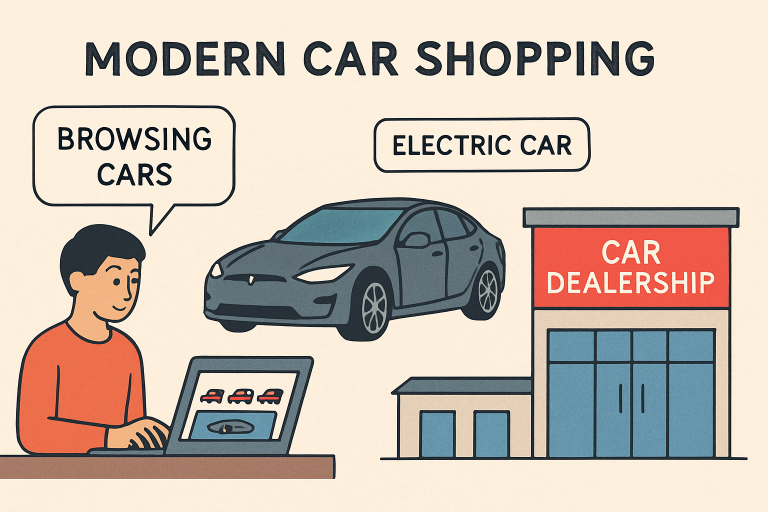
The digital shift in car shopping has revolutionized the journey from research to purchase. Shoppers now expect the flexibility to browse inventory, compare features, and even negotiate prices from the comfort of their own homes. Virtual showrooms and comparison tools are more comprehensive than ever, providing reviews, vehicle histories, and transparent pricing. According to Axios, the COVID-19 pandemic significantly accelerated this trend, with many consumers now completing entire transactions digitally and receiving their new car without visiting a showroom.
Growing Popularity of Electric Vehicles
Electric vehicles (EVs) continue to capture market share, fueled by technological innovations and heightened environmental consciousness. Automakers have responded by expanding EV lineups to include more accessible price points and styles, from compact city cars to spacious SUVs. With the growth of nationwide charging networks and government incentives, EVs are quickly moving from a niche market to a mainstream purchasing consideration. This trend is further reinforced by climate change imperatives, prompting even traditional manufacturers to accelerate their electrification roadmaps.
Affordability and the Shift to Smaller Vehicles
Uncertain economic times and rising car prices have made affordability a primary concern for many buyers. As a result, smaller and more economical vehicles are regaining popularity. Models such as the Honda Civic, Nissan Sentra, Chevrolet Trax, and Toyota Corolla stand out for their strong reputations, efficient operation, and approachable pricing. Buyers are increasingly comparing the total cost of ownership—including fuel, insurance, and maintenance—when evaluating which vehicle fits their budget and lifestyle.
Return to In-Person Dealership Visits
Despite the expansion of digital tools, many car buyers still value the ability to visit dealerships in person. Test driving, direct negotiation, and instant access to inventory remain significant aspects of the buying process. Dealerships are responding by elevating their personalized service, modernizing facilities, and enabling seamless transitions between online browsing and showroom experiences. Shoppers who start their journey online often choose to finalize their purchase in person, seeking peace of mind and immediate gratification.
Emphasis on Advanced Safety Features
Modern consumers increasingly prioritize safety, leading to widespread adoption of features like lane departure warnings, blind-spot detection, adaptive cruise control, and automatic emergency braking. These high-tech enhancements not only help prevent accidents but also provide added reassurance for drivers and passengers alike. Safety ratings and feature availability often play a decisive role—especially for families and daily commuters—in vehicle selection.
Sustainability and Eco-Friendly Materials
As eco-awareness grows, car buyers are increasingly looking beyond mileage and emissions to evaluate a vehicle’s environmental impact. Automakers are turning to recycled, plant-based, or bio-sourced materials for interiors, trims, and packaging. These initiatives resonate with consumers who want their purchases to support sustainable practices. Manufacturers are also adopting greener production methods, further reducing the carbon footprint associated with making new vehicles. This trend is reflected in a broader commitment within the industry to responsible sourcing and lifecycle management.
Evolving Financing Options
Purchasing a car is a major investment, and recent years have seen significant innovation in financing models. High prices and interest rates are pushing buyers to explore different options—from traditional bank loans and dealer financing to credit union offerings and flexible lease terms. Subscription-based services, where buyers pay a monthly fee to use the car without full ownership, are emerging as popular alternatives for those seeking variety or lower commitment. These flexible solutions offer greater control, helping consumers fit their vehicle expenses into evolving personal financial goals.
Conclusion
Today’s car shoppers face a landscape rich with choice, information, and opportunity. By understanding current trends—from the adoption of electric vehicles to new financing models and a focus on sustainability—buyers can approach the process confidently and efficiently. Keeping up with industry changes ensures you find the right vehicle for your needs now and well into the future.