5 Signs It’s Time to Swap Your Old Car for a New One

Owning and driving a car is, for many people, a pleasure. Whether for getting from point A to point B, going on epic road trips, or traveling rural roads with the windows down and the wind blowing through your hair, operating a vehicle can be empowering and liberating.
But it can feel a lot less pleasurable, empowering, and liberating if your car becomes a financial burden.
One source notes that Americans keep their vehicles for an average of 12.6 years. It adds that a typical internal combustion engine car tends to last 200,000 miles or more. For electric and hybrid vehicles, that tally goes up to 300,000 miles.
While regular maintenance is important, even the most reliable makes and models will eventually require costly maintenance and repairs. You might reach a point where a steady pace of required upkeep becomes a case of throwing good money after bad. In other words, you might find out one day that you have a money pit parked in your garage or driveway.
Here are five signs that indicate your car should probably be changed before it leaves you dry.
1. You Need Constant Repairs
Constant repairs can get on anyone’s last nerve. When it comes to vehicles, there’s a useful rule of thumb to keep in mind. If the annual expenditure for repairs is equal to or higher than the value of your car, it’s time to think seriously about buying a new one.
For example, spending $2,000 per year on a car worth about the same amount isn’t a good proposition, economically speaking.
Also, a car that spends more time at the mechanic’s shop than it does on the road might leave you or your loved ones stranded. It might be time to cut your losses and get something else.
2. Your Main Systems Are Damaged
When main components are damaged, that can mean hefty repair or replacement costs. Failure of the engine, transmission, or suspension system typically means a car’s at the end of the road.
At this stage, spending money on repairs or maintenance can be a no-win proposition. It’ll be a better investment to buy a new or a new-to-you vehicle to replace your old jalopy.
3. Your Car is Becoming Increasingly Unreliable
Any car that regularly needs repairs will quickly become more of a problem and less of a solution. A worn-out brake system, herky-jerky handling, or a faulty steering mechanism can become dangerous, leaving you reluctant to get behind the wheel. It might get to a point where it’s no longer wise to continue sinking money into an increasingly unreliable vehicle.
Driving an unsafe car won’t just endanger you. It can jeopardize the safety of other drivers, vehicle passengers, and pedestrians.
4. Your Car Breaks Down Frequently
Regular breakdowns can lead to significant inconvenience. But it’s not just about inconvenience. It can also be dangerous. Breaking down on highways, in bad weather, or in sparsely populated rural areas can raise your stress level.
Apart from that, you might worry behind the wheel if you’re not sure you’ll get from point A to point B in an unreliable vehicle. Rather than being nervous every time you drive, consider swapping your vehicle for something newer and more reliable.
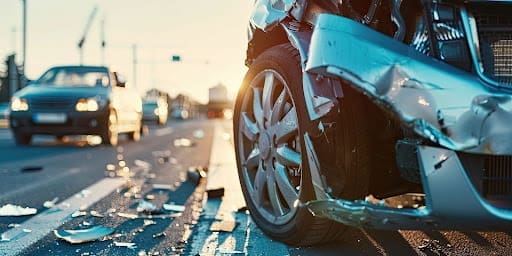
5. Your Vehicle Has Significant Damage After an Accident
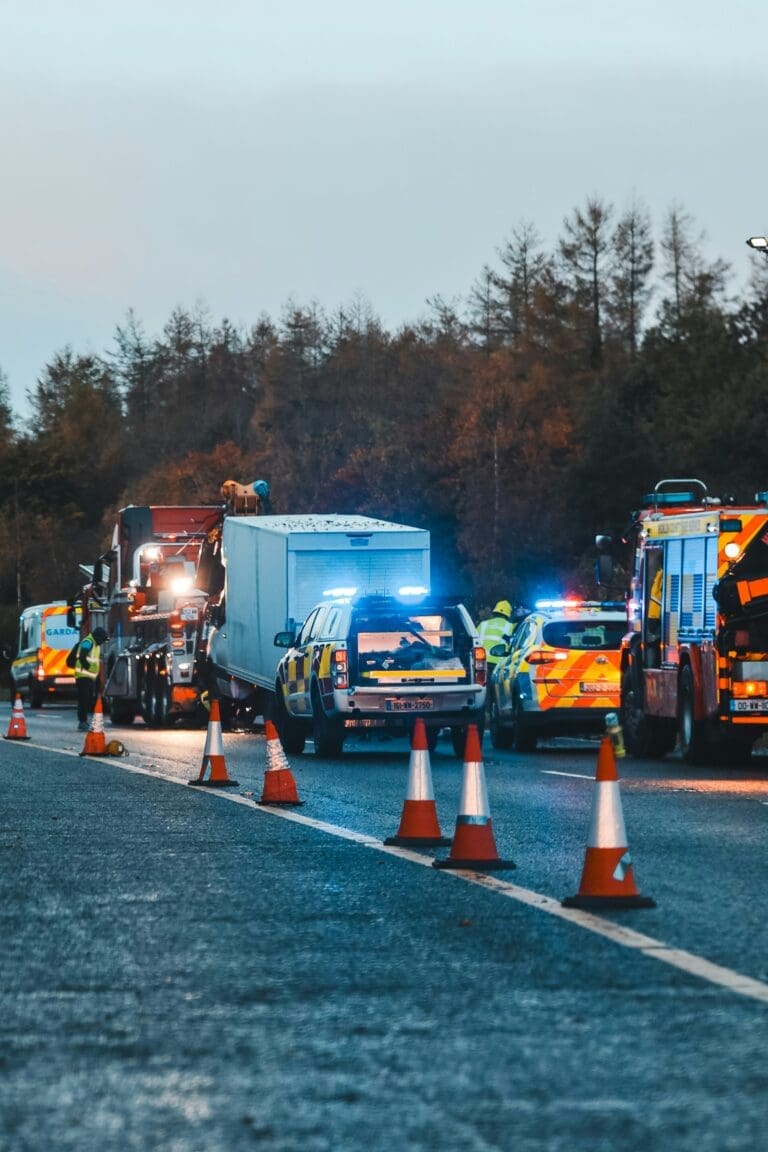
If you’re involved in a serious car accident that severely damages your vehicle, it’s not always wise or even possible to repair it and get it back on the road. Sometimes, the damage might be so extensive, like structural damage, that your insurer might choose to write it off. And there are situations when the car is repairable — but it might make more sense to get something else.
Uneven tire wear, steering difficulties, and vibration could be signs that your vehicle is seriously damaged after an accident. Continuing to drive it might compromise you and others’ safety.
If you’re injured in an accident, then good advice would be to contact a personal injury lawyer who can examine your case and let you know if you have grounds for a claim.
The Decision to Replace Your Car
Replacing a vehicle is an emotional decision for many people — even if the vehicle is no longer cutting it. But if continuing to spend money to repair and maintain something is like throwing good money after bad, that’s a heavy price to pay.
There may come a time when you need to pull the trigger on a deal for a new or a new-to-you car. It might turn into one of the best decisions you ever make.
To avoid problems with money pit cars, it’s important to know the signs that indicate it makes sense to purchase another vehicle.