4 Signs It’s Time To Pair Cosmetic Dentistry With Orthodontic Treatment
Your smile can look straight and still feel wrong. Teeth can line up, yet chips, stains, and worn edges keep you from speaking or laughing in public. Orthodontic treatment moves teeth into better positions. Cosmetic dentistry shapes what people see. Together they repair both function and appearance. This mix is often the missing step when braces or aligners alone do not give you the look you hoped for. You may even feel pressure to hide your teeth in photos. That is a heavy burden. When pain, breaks, or sudden damage happen, you might search for Van Nuys emergency dental care. Yet less urgent problems can hurt your confidence just as much. This blog shows four clear signs it is time to pair cosmetic dentistry with orthodontic treatment so you can plan the next step with calm, steady control.
Sign 1: Your teeth are straight, but the color still bothers you
Braces or aligners can line up teeth. They do not change color. Stains from coffee, tea, smoking, or past injury can stay long after treatment ends. You might avoid smiling even though your bite is now more stable.
You may notice three common changes.
- Yellow or brown stains that do not match your age
- White spots left from old braces or weakened enamel
- Dark teeth from past trauma or root canal treatment
Orthodontic treatment gives your mouth a better base. Then cosmetic care like whitening or bonding can give a more even color. The two steps work best in that order. First, you move teeth into healthy positions. Then you match the shade. This sequence protects tooth structure and lowers the chance that you will need work repeated.
Sign 2: Your bite is improved, but tooth shape still looks uneven
After orthodontic care, teeth can meet better, yet edges may still appear rough or mismatched. Chipped corners, short front teeth, or pointed canines can draw attention in photos and in person.
Three shape issues often stand out.
- Uneven edges on the front teeth
- Small gaps that remain even after braces
- Teeth that look too short or too long compared to others
At this stage, cosmetic steps can finish what movement started. Common options include careful reshaping of enamel, tooth colored bonding, or thin porcelain coverings. Each method can change length, width, and edge line without heavy drilling.
Orthodontic work first lets your dentist remove less tooth. Teeth sit where they should. So any shaping can stay focused and light. You gain three things. More natural tooth remains. The bite stays balanced. The final line of teeth looks even when you talk and smile.
Sign 3: You still cannot chew or speak with full comfort
Sometimes teeth look straight but do not feel strong when you chew. You might hear clicks, feel jaw strain, or notice that only a few teeth touch when you close. Orthodontics can improve these issues. Yet worn surfaces or old fillings can still throw off contact points.
Watch for three warning signs.
- Jaw fatigue when you eat simple foods
- Teeth that feel loose or sore after meals
- Words that sound unclear because teeth do not meet well
Cosmetic and restorative steps can rebuild worn edges so they meet more evenly. That work is not only for appearance. It also spreads chewing forces across more teeth. This can protect the jaw and reduce chipping.
The National Institutes of Health shares more on bite and jaw problems in this review of temporomandibular disorders. While that report covers complex cases, the message is simple. Shape and position both affect comfort.
Sign 4: Your smile does not match how you feel inside
Self-image matters. You may feel strong, kind, and capable. Yet the mirror may show stained fillings or worn teeth that suggest a different story. Straight teeth alone may not shift that feeling. You deserve a smile that matches your inner strength.
Three common struggles appear here.
- You hide your mouth when you laugh or speak
- You avoid photos or social events
- You feel older than your age because of worn teeth
Pairing cosmetic care with orthodontic work can support your mental health as well as your oral health. The goal is not perfection. The goal is a natural look that feels honest to you.
Orthodontic vs cosmetic dentistry: how they work together
Use this simple table to see how each type of care plays a role. Many people need both for the best result.
| Question | Orthodontic Treatment | Cosmetic Dentistry |
|---|---|---|
| Primary goal | Move teeth into better positions | Improve color, shape, and surface |
| Main tools | Braces or clear aligners | Whitening, bonding, veneers, reshaping |
| Helps with chewing | Yes. Improves bite alignment | Sometimes. Restores worn edges |
| Changes tooth color | No | Yes |
| Best treatment order | Usually first | Usually second |
| Typical result | Healthier bite and spacing | More even and brighter smile |
How to plan your next step with confidence
You do not need to decide alone. A clear plan often includes three simple steps.
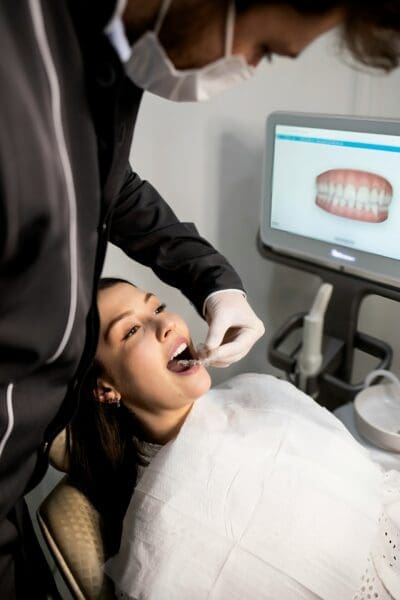
- Schedule a full exam and share what bothers you most
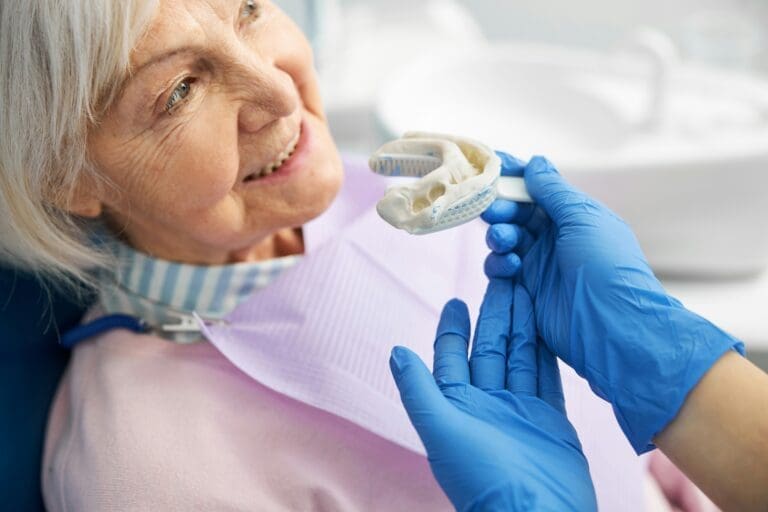
- Ask for photos and models that show current tooth positions
- Review a step-by-step plan that lists both movement and cosmetic work
During that visit, ask which problems affect health and which affect appearance. Both matter. Yet the order of care should protect tooth structure and long-term comfort. Many people start with small changes like whitening or smoothing rough edges. Then they move to bonding or veneers only if needed.
When you see that your concerns are heard and mapped into a plan, the burden eases. Your smile stops feeling like a flaw you must hide. It becomes a project with clear steps and an endpoint. That control can bring real relief for you and your family.