10 Ways To Enhance Skin Elasticity: Tips and Tricks

Maintaining skin elasticity is crucial for a youthful appearance and overall skin health. As you age, your skin’s natural elasticity diminishes, leading to sagging and wrinkles. However, with the right care and lifestyle choices, it’s possible to improve skin elasticity and keep your skin looking firm and smooth.
In this article, we share ten effective tips and tricks to help you enhance your skin elasticity.
- Hydrate Inside and Out
Hydration is fundamental for maintaining skin elasticity. Drinking plenty of water keeps your skin hydrated from the inside, helping to maintain its plumpness and elasticity. Therefore, you need to aim for at least eight glasses of water a day. Additionally, using a good moisturizer can lock in moisture and improve the skin’s barrier function, preventing dryness and promoting elasticity.
- Incorporate Antioxidants into Your Diet
You can also use antioxidants to protect your skin from free radical damage. They can degrade collagen and elastin, the proteins responsible for skin elasticity. Foods rich in antioxidants include berries, nuts, leafy greens, and dark chocolate. Vitamins C and E are particularly beneficial for skin health. Vitamin C helps in collagen production, while vitamin E provides moisture and healing benefits.
- Use Topical Treatments with Retinoids and Peptides
Another way to improve skin elasticity is by using Retinoids (vitamin A derivatives) They are well-known for their ability to boost collagen production. Over-the-counter retinol creams or prescription retinoids can significantly enhance skin firmness. Peptides, on the other hand, are amino acids that help in the production of collagen and elastin. You can look for skincare products that contain these powerful ingredients.
- Consider Microneedling
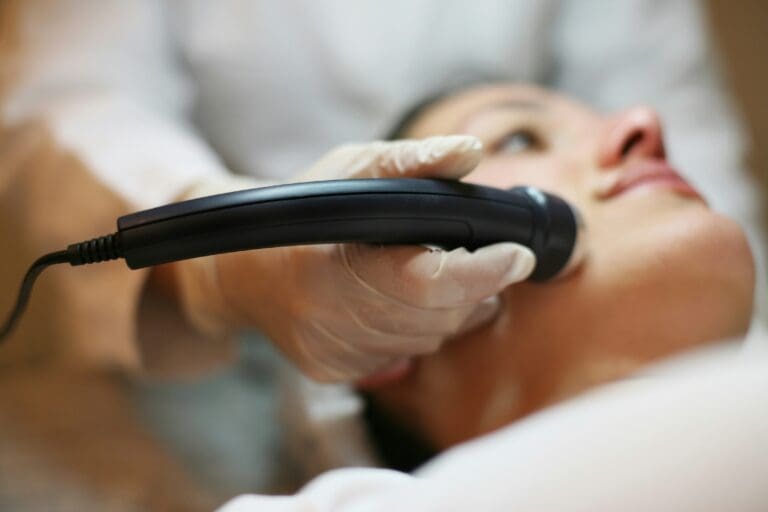
Also, for more significant improvements in skin elasticity, consider professional treatments that can be highly effective such as microneedling in New York. This is a minimally invasive procedure that can significantly improve skin elasticity. During microneedling, a dermatologist or skin care professional uses a device with fine needles to create microscopic punctures on the skin’s surface. These tiny injuries stimulate the skin’s natural healing response, triggering collagen and elastin production.
The benefits of microneedling include:
- Collagen Production: The micro-injuries caused by microneedling prompt the skin to produce new collagen fibers, which enhance skin firmness and elasticity over time.
- Improved Product Absorption: The micro-channels created during microneedling allow topical skincare products, such as serums and growth factors, to penetrate deeper into the skin, maximizing their effectiveness.
- Reduction of Fine Lines and Wrinkles: Regular microneedling sessions can help minimize the appearance of fine lines, wrinkles, and acne scars, leading to smoother and more elastic skin.
Tip: Before undergoing microneedling, you need to consult with a qualified dermatologist or skincare professional to determine if it’s suitable for your skin type and concerns.
- Protect Your Skin from Sun Damage
Sun exposure is one of the leading causes of reduced skin elasticity. You see, Ultraviolet (UV) rays break down collagen and elastin fibers, leading to premature aging and sagging skin. Therefore, always use a broad-spectrum sunscreen with at least SPF 30, even on cloudy days. Also, you can minimize sun damage by wearing protective clothing and seeking shade.
- Get Enough Sleep
How many hours do you sleep in a day? Adequate sleep is essential for overall health and skin repair. During sleep, your body produces collagen, which helps in maintaining skin elasticity. Aim for 7-9 hours of quality sleep per night. Ensure you develop a good bedtime routine and sleeping on your back can prevent skin creases and help maintain elasticity.
- Exercise Regularly
Regular physical activity improves blood circulation, which delivers oxygen and nutrients to your skin, promoting elasticity. Exercise also helps in reducing stress, which can negatively impact your skin. Try and incorporate both cardiovascular exercises and strength training into your routine for the best results.
- Maintain a Healthy Diet
A balanced diet rich in essential nutrients supports skin health. Include foods high in omega-3 fatty acids, such as fish, flaxseeds, and walnuts, which help maintain the skin’s lipid barrier and elasticity. Protein-rich foods like lean meats, eggs, and legumes provide the amino acids necessary for collagen production.
- Avoid Smoking and Excessive Alcohol Consumption
Smoking and excessive alcohol consumption can significantly damage your skin’s elasticity. Smoking reduces blood flow to the skin, depriving it of oxygen and essential nutrients. It also breaks down collagen and elastin. Alcohol dehydrates the skin and can cause inflammation, both of which negatively impact skin elasticity. Reducing or eliminating these habits can lead to noticeable improvements in your skin’s firmness.
- Stay Consistent with Your Skincare Routine
Finally, having a consistent skincare routine tailored to your skin type can make a big difference in maintaining elasticity. Cleanse your skin gently, exfoliate regularly to remove dead skin cells, and use serums and creams with active ingredients like hyaluronic acid, retinoids, and peptides. Don’t forget to moisturize daily and apply sunscreen every morning.
Conclusion
Improving skin elasticity requires a holistic approach, combining healthy lifestyle choices, proper skincare, and possibly professional treatments. By staying hydrated, protecting your skin from sun damage, eating a nutrient-rich diet, and using targeted skincare products, you can maintain and enhance it, keeping it firm and youthful for years to come.